Why Choose Paper Wrapping Tape for Your Packaging Needs?
In the ever-evolving world of packaging, the choice of materials plays a crucial role in ensuring both functionality and sustainability. One such material that has gained attention for its effectiveness is paper wrapping tape. Unlike traditional plastic alternatives, paper wrapping tape offers a more eco-friendly option for businesses and consumers alike. This versatile tape not only provides secure sealing but also aligns with the growing demand for environmentally responsible practices in packaging.
The appeal of paper wrapping tape extends beyond its ecological benefits. Its strong adhesion and easy tear properties make it a practical choice for various applications, from shipping boxes to gift wrapping. Furthermore, the ability to customize designs on paper wrapping tape allows for branding opportunities that are both visually appealing and functional. As companies strive to enhance their packaging processes, adopting paper wrapping tape can serve as a step towards reducing plastic waste while maintaining high-quality presentation.
As businesses increasingly prioritize sustainability in their operations, paper wrapping tape emerges as a leading contender for packaging needs. By choosing this innovative solution, companies not only contribute to environmental preservation but also demonstrate their commitment to responsible practices. In this article, we will explore the myriad benefits of paper wrapping tape and why it may be the superior choice for your packaging solutions.

Benefits of Using Paper Wrapping Tape in Packaging
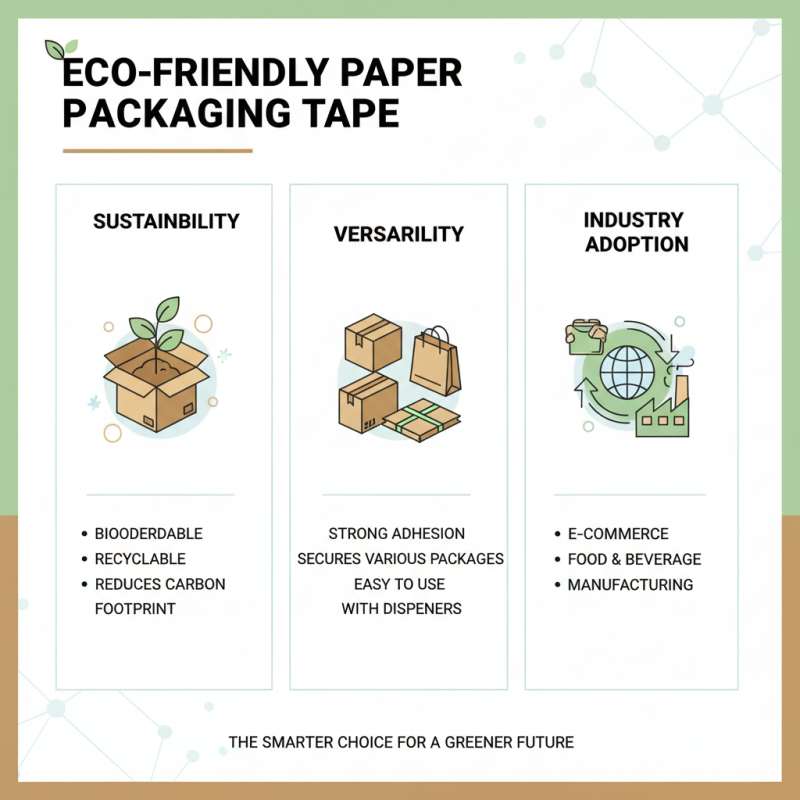
When it comes to sustainable packaging solutions, paper wrapping tape stands out as an eco-friendly choice for various businesses. One of the primary benefits of using paper tape is its biodegradable nature. Studies, such as the one conducted by Smithers Pira, indicate that the demand for sustainable packaging is expected to grow by over 20% per year, driven by consumer preference for environmentally responsible materials. Paper wrapping tape allows businesses to meet these demands while reducing their carbon footprint and promoting a greener image.
Additionally, paper wrapping tape offers excellent performance characteristics for securing packages. It adheres well to a variety of surfaces, providing a reliable seal that is crucial for protecting products during transit. According to a report by Freedonia Group, the paper packaging market is projected to reach a value of $300 billion by 2025, indicating a strong trend towards the usage of paper materials. This adhesive strength not only enhances durability but also minimizes the risk of damage to goods, an essential factor for businesses aiming to maintain high customer satisfaction levels.
Moreover, the versatility of paper wrapping tape makes it suitable for a range of applications, from retail packaging to shipping boxes. It can easily be marked or printed on, allowing brands to incorporate their logos and messages without the need for additional labeling materials, thus streamlining the packaging process. As more companies recognize these significant benefits, the shift towards using paper wrapping tape in packaging becomes increasingly evident.
Benefits of Using Paper Wrapping Tape in Packaging
Comparison of Paper Wrapping Tape vs. Plastic Tape
When comparing paper wrapping tape to plastic tape, the environmental impact is a crucial factor to consider. Paper wrapping tape is biodegradable and compostable, making it a more sustainable option for eco-conscious consumers. In contrast, plastic tape contributes to landfill waste and takes significantly longer to decompose, leading to ongoing environmental concerns. This difference makes paper tape a preferable choice for businesses aiming to reduce their ecological footprint and promote green packaging solutions.
In terms of functionality, both types of tape have their advantages. Paper wrapping tape adheres well to various surfaces and offers excellent durability for light to medium-weight packages. It can be easily written on, which is particularly useful for labeling and branding. Plastic tape, on the other hand, is often more suitable for heavier items or scenarios where water resistance is needed. However, with advancements in paper tape technology, many newer variants offer enhanced strength and durability, bridging the gap between the two materials. Ultimately, the choice between paper and plastic tape should align with packaging requirements and sustainability goals.
Why Choose Paper Wrapping Tape for Your Packaging Needs? - Comparison of Paper Wrapping Tape vs. Plastic Tape
| Feature |
Paper Wrapping Tape |
Plastic Tape |
| Material |
Biodegradable paper |
Polyethylene or polypropylene |
| Environmental Impact |
Lower (recyclable and compostable) |
Higher (typically non-biodegradable) |
| Adhesive Strength |
Moderate - usually good for light to medium packages |
Strong - suitable for heavy-duty shipping |
| Tear Resistance |
Good, but can be prone to tearing |
Excellent, very difficult to tear |
| Cost |
Generally lower cost |
Often higher cost |
| Usage |
Ideal for crafts, light packaging, and eco-friendly shipping |
Commonly used in commercial shipping and heavier packages |
Environmental Impact of Paper Wrapping Tape
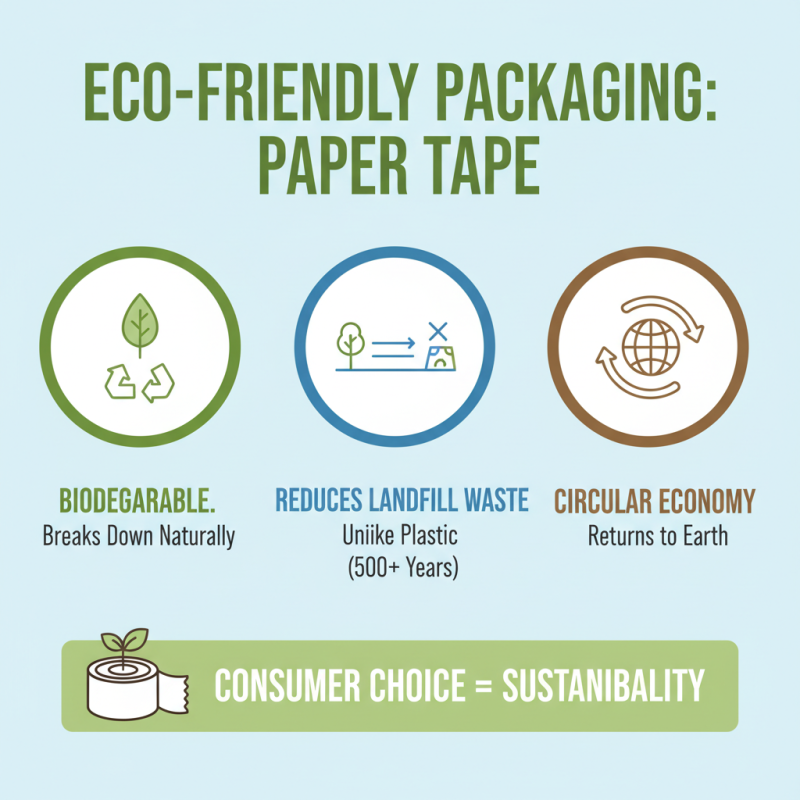
Paper wrapping tape is gaining traction as an environmentally friendly alternative to traditional plastic tapes in the packaging industry. Its primary advantage lies in its biodegradability, allowing it to break down naturally over time, thus reducing the burden on landfills. Unlike plastic tapes, which can persist for hundreds of years, paper tape contributes to a circular economy by returning to the earth instead of polluting it. This characteristic is particularly important as consumers become more conscious of their environmental footprint and increasingly demand sustainable packaging solutions.
Additionally, the production of paper wrapping tape typically involves fewer harmful chemicals compared to its plastic counterparts. Many manufacturers prioritize using recycled materials, which further minimizes the extraction of new resources and lowers carbon emissions. The use of water-based adhesives in paper tapes also contributes to their eco-friendliness, as these adhesives are less toxic and pose a lower risk to both the environment and human health. By choosing paper wrapping tape, businesses and consumers alike are taking meaningful steps toward reducing plastic waste and promoting sustainability in their packaging practices.
Applications and Industries Using Paper Wrapping Tape
Paper wrapping tape has gained popularity across various applications and industries, primarily due to its eco-friendly characteristics and versatility. In the packaging industry, companies are increasingly opting for paper tape for sealing boxes and securing packages. Its strong adhesive properties ensure that the packages remain intact during transit, while the paper material promotes sustainability by being biodegradable and recyclable. This makes it an ideal choice for businesses aiming to reduce their carbon footprint while maintaining effective packaging solutions.
Moreover, paper wrapping tape is widely used in industries such as arts and crafts, where it serves as a reliable tool for projects that require precision and a clean finish. Artists appreciate its ability to adhere firmly yet be removed without leaving residue, preserving the integrity of their work. Additionally, the construction and furniture sectors benefit from paper tape for bundling materials and tools together, providing a simple yet effective means to keep items organized and secure. As more industries recognize the advantages of paper wrapping tape, its applications continue to expand, highlighting its versatility and utility in everyday tasks.
Tips for Choosing the Right Paper Wrapping Tape for Your Needs
When selecting the right paper wrapping tape for your packaging needs, it’s essential to consider the type of paper and adhesive used. Look for tapes made from high-quality craft paper which can provide durability and strength. Additionally, the adhesive should be strong enough to secure packages during transit, but also easy to unwind or reposition if necessary. Ensure that the tape is suited for the specific surfaces it will be used on, as different materials may require different types of adhesives for optimal bonding.
Another crucial factor to consider is the width and thickness of the tape. Wider tape can be advantageous for larger packages, ensuring they remain sealed securely, while thinner tape might be better for lighter items or for wrapping smaller packages. Pay attention to the tape's tensile strength as well, as this will determine how well it can withstand stress during handling and transport. Lastly, consider any specific environmental needs, such as whether the tape is recyclable or made from sustainable materials, aligning your packaging practices with eco-friendly choices.