How to Choose a China Top Dense Load FIBC Exporter in 2026?
Choosing a China Top Dense Load Fibc Exporter in 2026 requires more than comparing quoted prices. Dense load FIBCs must handle heavy, compact materials without losing stability during filling, lifting, storage, or transport. A reliable exporter should explain fabric strength, safe working load, safety factor, liner design, discharge options, and lifting-loop construction in clear language. Details matter.
Request recent test reports, production photographs, material specifications, and batch traceability records. Check whether the factory follows recognized packaging practices, such as ISO 21898 where applicable. Independent inspections can also confirm dimensions, seam quality, fabric weight, and load performance. Do not rely on certificates alone. Their scope, issuing body, and validity require careful review.
A strong supplier communicates quickly, but fast replies do not prove manufacturing capability. Ask for a physical sample. Examine the stitching, corner seams, coating, and printing under normal warehouse light. Discuss moisture protection, palletizing, container loading, and storage conditions before placing an order. These practical details often reveal more than a polished catalog.
The best exporter should also provide stable lead times, quality-control procedures, corrective-action records, and transparent commercial terms. Confirm export experience for your destination market and ensure all documentation supports lawful, safe trade. A checklist helps, but it can still miss small failures. Human review remains important.
This guide explains how to compare factories, verify technical claims, assess communication, and reduce supply risks. The goal is not to find the cheapest quote. It is to identify a dependable partner for consistent, fit-for-purpose FIBC production in 2026.
What Dense Load FIBCs Are and Where They Are Used
How to Choose a China Top Dense Load FIBC Exporter in 2026?
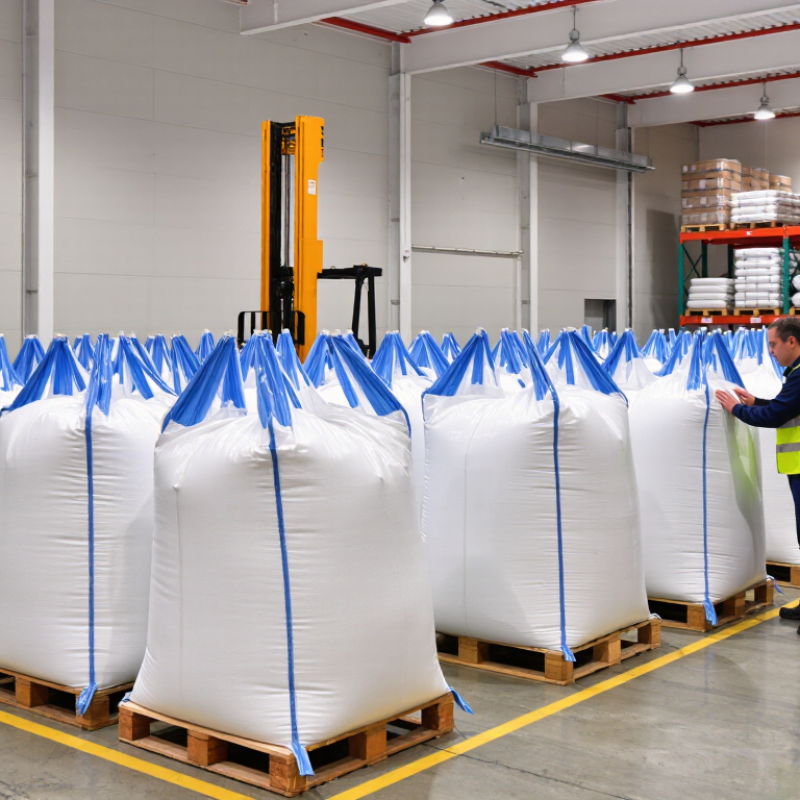
Dense load FIBCs are flexible intermediate bulk containers designed for heavy, concentrated materials. They commonly carry minerals, cement, grains, chemicals, and construction powders. Their strength comes from reinforced fabric, strong lifting loops, and carefully engineered seams. Some models use internal baffles to reduce bulging. That matters in narrow warehouses and crowded containers. ISO 21898 provides requirements for the design, testing, and safe handling of FIBCs. However, “dense load” is not a perfectly standardized term. Buyers should request tested specifications, not rely on attractive wording.
Market demand is expanding with bulk logistics. IMARC Group estimated the global FIBC market at about USD 7.3 billion in 2024, with continued growth expected through 2032. Actual demand varies by material density, filling method, discharge design, and transport distance. A bag holding one tonne of fertilizer may not suit fine mineral powder. It may leak dust or deform under stacking pressure. In practical sourcing, exporters should provide fabric strength, safe working load, safety factor, seam test results, and drop-test records. Ask for traceable production samples.
A reliable China exporter should also explain storage limits, moisture protection, and loading procedures. Inspectors can compare fabric weight and dimensions against approved samples. Small differences matter. The cheapest quotation can hide weaker loops or inconsistent stitching. I would also review independent inspection records and repeat-order performance. No supplier is flawless, and a clear correction process is often more valuable than polished sales language.
Which Technical Standards a China FIBC Exporter Should Meet
A reliable China top dense load FIBC exporter should meet recognized technical standards, not merely offer a low quotation. ISO 21898 is a key reference for flexible intermediate bulk containers. It covers design, testing, and safe working conditions. Ask for test records showing safe working load, safety factor, drop resistance, lifting strength, and seam performance. Small details matter. A torn corner can stop a full shipment.
For powders and fine materials, request evidence of dust-control performance and suitable fabric construction. If static electricity may create operational risks, the exporter should understand relevant IEC 61340-4-4 classifications and provide controlled testing. The bag’s liner, coating, and fabric must match the material’s density, temperature, moisture, and filling method. A technically correct bag can still fail when exposed to sharp edges or repeated handling. That part is often underestimated.
An experienced exporter should operate a traceable quality system, such as ISO 9001, with batch records and inspection procedures. Check whether an independent laboratory verifies the reports. Certificates alone can mislead. Review production samples, seam photographs, fabric weight, and lifting-loop construction before placing a large order. For food or pharmaceutical applications, confirm applicable destination-market contact requirements and migration testing. I would also examine corrective-action records. A supplier claiming zero defects may sound impressive, but transparent improvement evidence feels more reliable.
How to Assess an Exporter’s Manufacturing and Quality Systems
When choosing a China top dense-load FIBC exporter in 2026, inspect the factory, not only the catalogue. Grand View Research’s 2024 FIBC market analysis identifies Asia-Pacific as the largest regional market, increasing supplier choices and quality differences. Ask for production records showing fabric denier, coating weight, seam strength, and safe working load. Samples should match the approved specification, including loop width and discharge-spout dimensions.
A reliable exporter should operate a documented quality system aligned with ISO 9001:2015. Check whether operators scan raw-material batches before weaving and record loom settings during production. ISO 21898 provides relevant requirements for FIBCs used with non-dangerous goods, including design, testing, and marking. Request recent test reports for top-lift strength, drop resistance, stacking, and cyclic loading. The report should identify the laboratory, test date, sample code, and acceptance criteria. A vague certificate proves little.
Visit, if possible. Look for clean cutting tables, calibrated tensile machines, sealed inspection areas, and segregated nonconforming bags. The 2023 OECD Trade Facilitation Indicators show that reliable documentation and border procedures strongly influence international supply-chain performance; your exporter should therefore provide consistent packing lists, traceability, and pre-shipment records. Still, audits can miss night-shift problems. I would recheck random bags from the actual container, not just showroom samples. One overlooked stitch can become an expensive failure.
How to Compare Product Design, Pricing, Lead Times, and Service
How to Choose a China Top Dense Load FIBC Exporter in 2026?
Compare product design before comparing price. A dense-load FIBC should match your filling method, discharge system, and stacking height. Check fabric weight, seam structure, liner fit, lifting loops, and safety factor. ISO 21898 provides recognized requirements for FIBCs used with non-dangerous goods. Request test reports, production samples, and dimensional records. A polished sample can still hide weak stitching. That happened in one practical sourcing review.
Pricing needs a landed-cost view. Compare fabric grade, printing, liners, palletization, inspection, freight, and replacement terms. A lower quotation may exclude testing or export packaging. UNCTAD’s Review of Maritime Transport 2024 states that over 80% of global merchandise trade by volume moves by sea. Freight changes can quickly erase a small unit-price advantage. Lead times also need evidence. Ask for monthly capacity, raw-material availability, sample timing, and shipping schedules. The World Bank Logistics Performance Index 2023 evaluates customs, tracking, logistics competence, and timeliness. Use these areas when judging an exporter’s delivery system.
Tips: Build a comparison sheet with identical specifications. Require a written tolerance range. Request batch traceability and pre-shipment inspection. Confirm how claims are handled, including response time and replacement procedures. Do not rely only on certificates. Visit the factory remotely or in person when possible. A transparent exporter explains delays early, although no supplier performs perfectly every season.
How to Verify Compliance, Export Records, and Long-Term Reliability
How to Choose a China Top Dense Load FIBC Exporter in 2026?
A reliable exporter should provide clear specifications for dense load FIBCs, including safe working load, safety factor, fabric strength, and lifting design. Ask for recent test reports, material declarations, and production records linked to specific batches. Compliance must match your destination market and application. A certificate alone is not enough. It may be genuine but outdated. Check the testing laboratory, report number, issue date, and applicable standard.
Tips: Request a factory video call. Confirm the production address. Ask for anonymized bills of lading, packing lists, and export records from recent shipments. Contact two customers independently, if possible. Compare documents carefully. Mismatched dates or quantities deserve questions. A polished file can still hide weak control.
Long-term reliability depends on repeatable production, not one successful order. Review inspection procedures, fabric traceability, defect handling, and documented corrective actions. Ask how the exporter manages delayed materials or sudden capacity pressure. Their answer reveals practical experience. I would also request a small trial order with agreed inspection points. It may cost more initially. Still, this exposes problems early. A supplier can pass one audit and lose consistency later, so schedule periodic reviews instead of trusting the first impression.