How to Choose the Best Package Sealing Tape?
Choosing the best package sealing tape is not a minor purchasing decision. It affects product protection, warehouse efficiency, customer experience, and avoidable shipping losses. A carton may look secure, yet a weak adhesive bond can fail after vibration, cold storage, humidity, or rough handling.
Lisa McTigue Pierce, a respected packaging consultant and editor, offers a useful principle: “The seal must match the package, not merely close it.” That idea deserves attention. The right package sealing tape depends on carton fiber, recycled content, surface dust, box weight, sealing equipment, and storage conditions. A lightweight carton may perform well with standard acrylic tape. Heavy boxes often require stronger hot-melt or reinforced options. Cold environments can expose poor choices quickly.
Look closely at the application. Is the tape applied by hand or machine? Does the operator press the tape firmly across both flaps? Are cartons stored in a humid warehouse? Small details matter. Very much.
Reliable selection combines manufacturer data with practical trials. Test the tape on the actual carton, at the expected temperature, using the planned sealing speed. Check adhesion after several hours, not only immediately. That step is easy to skip.
No single tape is perfect. A premium product can still fail on dusty, crushed, or poorly closed cartons. Sustainability claims also need careful review, because tape, adhesive, and recycling systems must work together. The best decision balances holding power, application performance, total cost, and real shipping conditions. Sometimes, the answer is less obvious than the catalog suggests.
Understanding Package Sealing Tape Types and Their Applications
How to Choose the Best Package Sealing Tape?
Understanding Package Sealing Tape Types and Their Applications
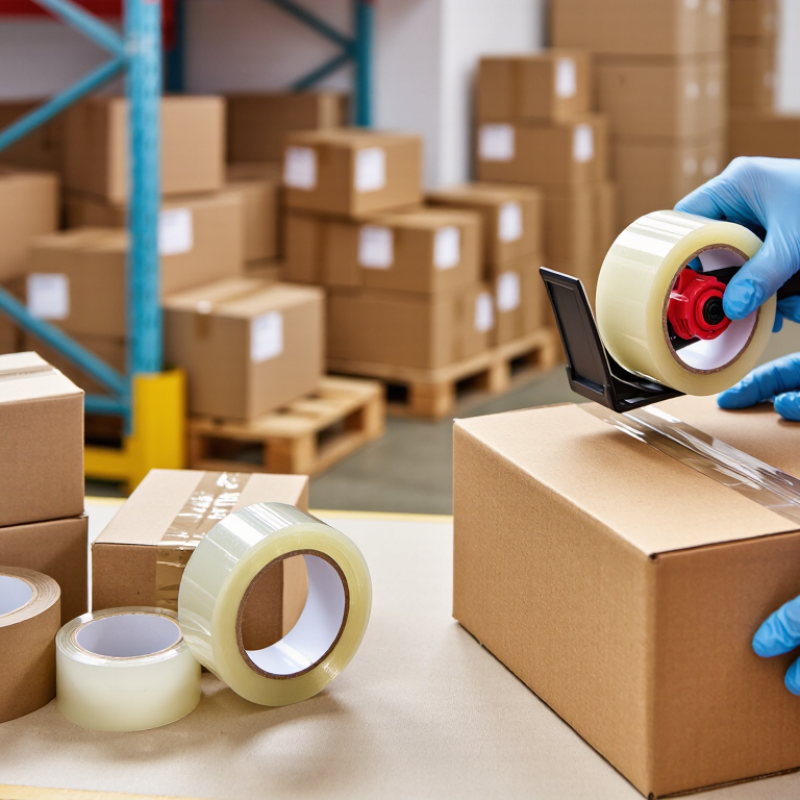
Choosing package sealing tape starts with the carton, not the tape color. In packing operations, I check carton weight, surface texture, storage temperature, and shipping distance. That detail matters. Pressure-sensitive tape needs firm contact to bond correctly. BOPP tape offers balanced strength and clean application for everyday cartons. Paper tape suits recyclable packaging goals and provides a natural appearance. Reinforced tape adds extra support for heavy or oversized boxes. Each type has a different practical role.
For light cartons, standard acrylic or hot-melt tape usually performs well. Acrylic adhesive handles temperature changes more consistently. Hot-melt adhesive grips quickly on clean corrugated surfaces. Cold storage requires tape tested for low temperatures. Dusty or recycled cartons may need stronger adhesion and higher application pressure. Paper tape can work well, but its performance depends heavily on carton fibers and moisture. Test before scaling.
I once saw a packing team choose tape only by price. The cartons looked secure, yet several edges lifted during transport. That shortcut can fail. A reliable selection process includes a simple trial: seal sample cartons, store them under expected conditions, and inspect the seams after handling. Check unwind noise, dispenser comfort, tear quality, and residue. These small observations often reveal problems that specifications miss. Tape choice is rarely perfect on the first attempt; reviewing real packing results can improve the next decision.
How to Choose the Best Package Sealing Tape? - Understanding Package Sealing Tape Types and Their Applications
| Tape Type | Backing Material | Adhesive Type | Typical Thickness | Key Strengths | Best Applications | Important Limitations |
|---|---|---|---|---|---|---|
| BOPP Acrylic Tape | Biaxially oriented polypropylene film | Water-based acrylic | Approximately 40–65 microns | Good clarity, resistance to ultraviolet light and aging, consistent performance over time | General carton sealing, warehousing, retail shipping, and long-term storage | Initial adhesion can be slower in cold conditions; requires reasonably clean and dry cartons |
| BOPP Hot-Melt Tape | Biaxially oriented polypropylene film | Synthetic rubber hot-melt adhesive | Approximately 45–70 microns | High initial tack, fast bonding, smooth machine application, economical for high-volume use | Automated case sealing, e-commerce fulfillment, and medium-weight corrugated cartons | Usually less resistant to prolonged heat, ultraviolet exposure, and some aging conditions than acrylic adhesive |
| PVC Carton-Sealing Tape | Plasticized polyvinyl chloride film | Natural or synthetic rubber-resin adhesive | Approximately 50–70 microns | Quiet unwinding, easy hand tearing, conformability, and reliable adhesion to many carton surfaces | Manual packing, office shipments, light-to-medium cartons, and applications requiring low noise | Higher material cost in many markets; PVC disposal and recycling considerations may restrict its use |
| Water-Activated Kraft Tape | Paper or reinforced paper | Water-activated starch or dextrin adhesive | Approximately 90–170 microns | Strong fiber-to-fiber bond, tamper evidence, printable surface, and compatibility with paper-based recycling streams | Heavy corrugated cartons, palletized shipments, sustainable packaging programs, and tamper-evident sealing | Needs a water-activated dispenser; performance may be affected by excessive moisture or very cold conditions |
| Reinforced Kraft Tape | Paper reinforced with fiberglass or synthetic strands | Pressure-sensitive or water-activated adhesive | Approximately 100–180 microns | Higher tensile strength and resistance to box bursting compared with standard paper tape | Heavy cartons, bundled packages, long-distance transport, and loads exposed to rough handling | More difficult to tear by hand; reinforced versions may require specialized recycling assessment |
| Filament Tape | Polypropylene or polyester film reinforced with longitudinal or cross-direction fibers | Synthetic rubber or other pressure-sensitive adhesive | Approximately 100–180 microns | Very high tensile strength, strong bundling performance, and resistance to splitting under load | Strapping replacement, securing heavy bundles, appliance packaging, and reinforcing large cartons | Not generally suitable for easy-open packaging; fibers can complicate separation and recycling |
| Low-Noise Packaging Tape | Polypropylene film with a low-noise release coating | Acrylic or hot-melt pressure-sensitive adhesive | Approximately 45–70 microns | Reduced unwinding noise, efficient manual handling, and improved workplace comfort | Fulfillment centers, offices, stores, and facilities where noise control is important | Low-noise coating may increase cost; performance still depends on adhesive grade and carton quality |
| Tamper-Evident Security Tape | Polyester, polypropylene, or multilayer film | Pressure-sensitive adhesive with destructible or message-revealing construction | Approximately 50–100 microns | Shows visible evidence of opening, resealing, or attempted removal | Sensitive documents, high-value goods, pharmaceuticals, electronics, and controlled shipments | Higher cost and specialized handling; visible evidence does not replace a complete security system |
Note: Thickness ranges are typical industry values and can vary by construction, adhesive formulation, manufacturer specification, and intended load. Always verify adhesion, tensile strength, temperature range, and carton compatibility through application testing.
Related Posts
-
2026 Top Package Sealing Tape Types for Global Buyers
-
What Is the Best Industrial Packaging Tape for Shipping?
-
10 Best Personalized Packaging Tape Ideas for Your Business Success?
-
Best Personalized Packaging Tape Suppliers in China?
-
How to Choose the Best Packing Material Tape in 2026?
-
What is Branded Packaging Tape and How Can It Benefit Your Business?