How to Choose the Best Wide Packing Tape for Your Shipping Needs?
Selecting the right wide packing tape is crucial for any shipping operation. This tape plays a vital role in securing packages and ensuring they reach their destination safely. With many options available, choosing the best one can be overwhelming.
Some may overlook important factors. The thickness of the tape can affect its durability. Cheaper alternatives might not withstand the rigors of shipping. You need a tape that can resist tearing. It should also stick well to various surfaces. Not everyone considers the type of adhesive used. There are different adhesives for different needs.
When considering wide packing tape, think about your specific requirements. Will you be shipping heavy items? Or lighter packages? The choice of tape must partner with the weight of the contents. Reflect on your shipping frequency and volume too. It makes sense to invest in quality tape. A small choice can lead to big issues later. This guide will help simplify your decision-making process.
Factors to Consider When Choosing Packing Tape for Shipping Needs
Choosing the right packing tape can significantly impact your shipping experience. Consider the tape's thickness and durability. Thicker tape generally provides better protection. It withstands rough handling during transit. Look for options that can resist moisture. This is crucial if your packages might be exposed to various environmental conditions.
Adhesive type matters too. Some tapes use acrylic adhesive, while others rely on rubber. Acrylic offers better aging and UV resistance. Rubber can provide a stronger initial bond. It’s often best for heavy items. Evaluate your specific needs. Sometimes, a standard packing tape might not do the job.
Additionally, consider the tape's width. A wider tape will cover more area, enhancing its sealing capacity. However, it may not fit all dispensers. Experiment with different types. What works for one package may not work for another. It’s crucial to reflect on previous experiences. Analyze which tape helped your packages arrive intact. Adjust your choices based on that insight.
Understanding the Different Types of Packing Tapes Available in the Market
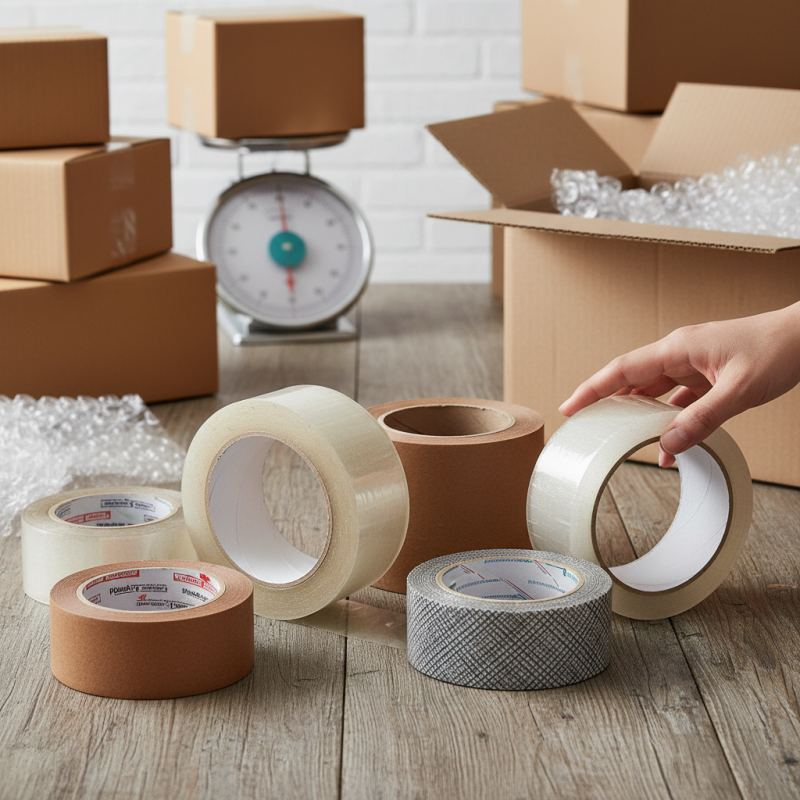
When selecting packing tape, it's essential to understand the different types available. The market offers various options to suit specific shipping needs. For example, acrylic tape is popular for its ability to adhere well under different temperatures. Research shows that it can resist UV light, making it ideal for long-term storage. In contrast, hot melt tape often provides superior stickiness and is suitable for heavy items, as it adheres well to recycled boxes.
Tips: Consider the duration your shipment will be in transit. If it's a long journey, acrylic tape might be your best bet. For short-haul deliveries, hot melt could save you time and effort.
Paper tape is another option. It's eco-friendly and easy to write on. Some reports suggest that it can provide a strong seal for lighter packages. However, its adhesion might falter in humid environments. Think carefully about the environment where your package will be stored.
In shipping, not every tape suits every task. Taking into account the weight of your items and the packaging material is critical. This attention to detail can make or break your shipments. Remember, there's no one-size-fits-all solution in the world of packing tape.
Wide Packing Tape Comparison
This bar chart compares the adhesive strength of different types of wide packing tapes available in the market. The measured strength is shown in pounds per inch. Understanding these differences will help you choose the most suitable packing tape for your shipping needs.
Evaluating Adhesive Strength: Key to Effective Tape for Shipping
When selecting wide packing tape for shipping, adhesive strength is crucial. A tape that doesn’t stick well can lead to package failures. Customers can get frustrated with delayed deliveries or lost items. It is essential to evaluate how well the tape adheres to various surfaces. Some tapes perform better on cardboard, while others excel on plastic and metal.
Tips: Test different tape types. Stick samples to shipping materials to see how they hold up. Check for temperature resistance, as some tapes might peel in hot or cold conditions. Don’t underestimate the power of sound; a strong tape often makes a loud "crack" when pulled.
Another consideration is the tape thickness. Thicker tapes generally offer greater durability. However, not all thick tapes are strong. A tape that appears robust may lack adhesive quality. Balance is key. Opt for tapes that combine both thickness and high adhesive strength for reliable shipping.
Tips: Store tape in a cool, dry place. Heat or moisture can degrade its quality. Always check the tape's expiry date if you have it stored for a while. Experiment with different methods; what works for one package may not work for another.
Tape Width and Thickness: Impact on Shipping Efficiency and Security
When selecting packing tape, width and thickness significantly impact shipping efficiency and security. For most packages, a tape width of 2 inches is standard. This size strikes a balance between adequate sealing and usability. However, wider tape may offer better performance for larger boxes. According to industry reports, using a wider tape improves seal strength by approximately 30%.
Thickness plays an essential role too. Tape thickness typically ranges from 2 mils to 3 mils. Thicker tape provides superior durability, especially for heavier shipments. A study showed that thicker tapes significantly reduced the risk of package tampering. Understanding these dimensions can lead to safe and efficient shipping.
Tips: Always consider the package weight. For heavy items, choose thicker tapes. This prevents breaks during transit. Test different widths to find an optimal fit. Some may find a 1.5-inch tape sufficient for lighter boxes; however, it might compromise seal security. Reflect on your shipping needs. Are your packages secure enough with your current tape?
How to Choose the Best Wide Packing Tape for Your Shipping Needs?
| Tape Width |
Thickness (Mil) |
Load Bearing Capacity (lbs) |
Recommended Use |
Estimated Shipping Efficiency |
| 2 inches |
2 mil |
30 |
Lightweight packages |
Low |
| 3 inches |
3 mil |
60 |
Medium-weight boxes |
Moderate |
| 4 inches |
4 mil |
90 |
Heavy packages |
High |
| 2 inches |
5 mil |
50 |
Fragile items |
Moderate |
| 3 inches |
6 mil |
100 |
Bulk shipping |
Very High |
Cost Analysis: Balancing Quality and Expense for Your Shipping Tape
Choosing the right packing tape often involves a careful cost analysis. Quality tape can be more expensive upfront. However, it might save money in the long run. If your packages arrive damaged, unhappy customers may cost you more than higher-quality tape.
When evaluating options, look for durability and adhesion. Some cheaper tapes might not stick well on all surfaces. It can be frustrating when a tape peels off or fails during transit. Additionally, think about the thickness of the tape. Thinner tapes might seem cheap but often lead to issues.
Remember, price should not be the only factor. Balancing quality and cost is crucial. Sometimes, spending a little more can significantly impact your shipping efficiency. Unsatisfactory tape can lead to improper sealing and lost packages. You want to reflect on your choices before buying. A package’s safety relies on the tape you choose.