Why Industrial Packing Tape is Essential for Your Shipping Needs
Industrial packing tape is a crucial component for shipping needs. It serves as a reliable tool for securing packages during transit. The strong adhesive ensures that boxes remain closed, protecting contents from damage. Without industrial packing tape, shipments may arrive opened or damaged, leading to potential losses.
Selecting the right industrial packing tape can impact shipping efficiency. Different types exist, each suited to various materials and weights. Some tapes resist moisture, while others thrive in extreme temperatures. It's vital to assess the specific requirements of your packages. Despite its importance, choosing the wrong type can lead to issues.
It's easy to overlook such details, but they matter. Proper use of industrial packing tape prevents mishaps. Consider the implications of using subpar materials. Reflecting on your choice can lead to better shipping practices. Overall, industrial packing tape is not just a product; it is an essential part of a successful shipping strategy.
Understanding Industrial Packing Tape and Its Types
Industrial packing tape is crucial for effective shipping. It offers strength and durability, ensuring packages are secure during transport. This type of tape comes in various forms, catering to different needs. For instance, polypropylene tape is lightweight yet strong. It adheres well to various surfaces and is resistant to moisture.
Another popular type is vinyl tape. It excels in temperature extremes and provides excellent insulation. This makes it useful for both shipping and sealing applications. When choosing tape, consider its purpose. Some tapes are better for heavy-duty items, while others suit lighter packages. Understanding your needs helps in selecting the right type.
Over time, you may find some tapes don’t perform as expected. That’s a learning experience. Not all tapes hold up under pressure. Reflecting on these experiences can guide future purchases. Pay attention to quality and application methods. It may take time to identify the best tape for your shipping requirements.
Why Industrial Packing Tape is Essential for Your Shipping Needs
| Type of Packing Tape |
Material |
Adhesive Type |
Thickness (Mil) |
Common Uses |
| Polypropylene Tape |
Plastic (BOPP) |
Acrylic or Hot Melt |
1.5 - 3.0 |
General packaging and shipping |
| Paper Tape |
Recycled paper |
Water Activated |
5.0 - 7.5 |
Sealing packages for shipping, eco-friendly options |
| Cloth Tape |
Cotton or synthetic fiber |
Rubber-based |
7.0 - 10.0 |
Heavy-duty applications, bundling items |
| Filament Tape |
Plastic with fiberglass filaments |
Acrylic or Hot Melt |
3.0 - 7.0 |
Reinforcing packages, securing loads |
| PVC Tape |
Polyvinyl Chloride |
Rubber-based |
2.0 - 3.0 |
Sealing boxes, surface protection |
Key Benefits of Using Industrial Packing Tape for Shipping
Industrial packing tape is a vital tool for ensuring safe shipping. Its strong adhesive holds packages securely, preventing damage during transit. This tape is designed to withstand various conditions, be it humidity or extreme temperatures. When you use it, you minimize the risk of items spilling out. It's reliable and consistent.
Additionally, industrial packing tape is versatile. It can be used on different surfaces, from cardboard to plastic. This adaptability makes it a go-to for many shipping needs. Yet, many people underestimate its importance. Some may opt for cheaper alternatives, thinking they save money. However, this often leads to greater losses. Poor quality tape can cause packages to tear open.
The visibility of industrial packing tape also plays a role. Bright colors and labels can alert carriers to package contents. This helps in proper handling and processing. However, it’s crucial to choose the right tape for specific needs. Not all packing tape is created equal. Understanding thickness and adhesive strength is essential for effective shipping. Each decision matters in preserving shipment integrity.
How to Choose the Right Industrial Packing Tape
Choosing the right industrial packing tape is crucial for successful shipping. The type of tape affects how secure your packages will be. First, consider the weight of your items. Heavier shipments need stronger tape. You might use acrylic tape for lighter goods and reinforced or fiberglass tapes for heavier ones. Always check the tape’s tensile strength. This will help ensure it can handle the load.
Next, think about the surface material of your packages. Some tapes stick better to cardboard, while others may work best on plastic or metal surfaces. The climate is another factor. Moisture or extreme temperatures can affect adhesive performance. It’s worth testing a few types if your shipping conditions change often.
Remember, not all tape is created equal. Sometimes, you might find that the tape you've chosen doesn’t perform as expected. It can be disappointing when packages arrive damaged due to poor sealing. Reflecting on past experiences can guide your future choices. Take the time to evaluate your needs before making a decision. Making the right choice can save headaches and ensure safe delivery.
Proper Application Techniques for Industrial Packing Tape
Applying industrial packing tape correctly is crucial for ensuring that packages arrive safely. Start by choosing the right tape for your shipment. A thicker tape provides better support for heavier items. Make sure that the surface is clean and dry. Dust or moisture can weaken the tape’s adhesion.
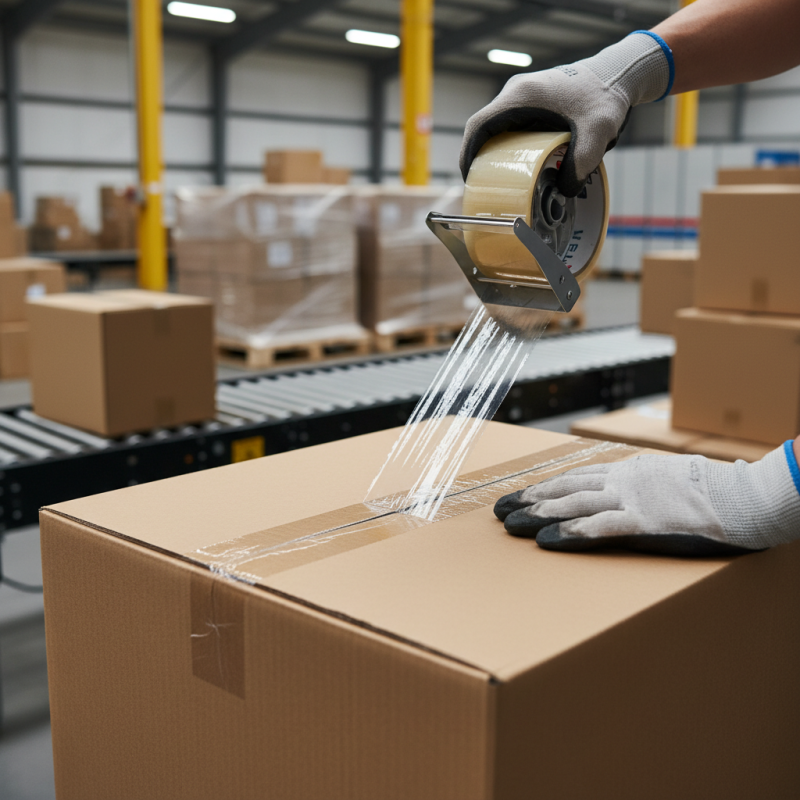
When applying the tape, press it down firmly. Rub your fingers along the edges to create a tight seal. This helps prevent any moisture or dust from getting inside. Use a dispenser for consistent application. Dispensers allow for straight and even lines. Remember, uneven tape can compromise the package’s integrity.
It’s easy to overlook details like tape size. Ensure you choose tape that covers the box seams completely. Smaller tapes may not provide enough hold. Reflect on past experiences. Did packages arrive damaged? Perhaps it was due to poor taping methods. Learning from these mistakes can improve future shipping practices.
Environmental Considerations and Sustainability in Packing Tape Usage
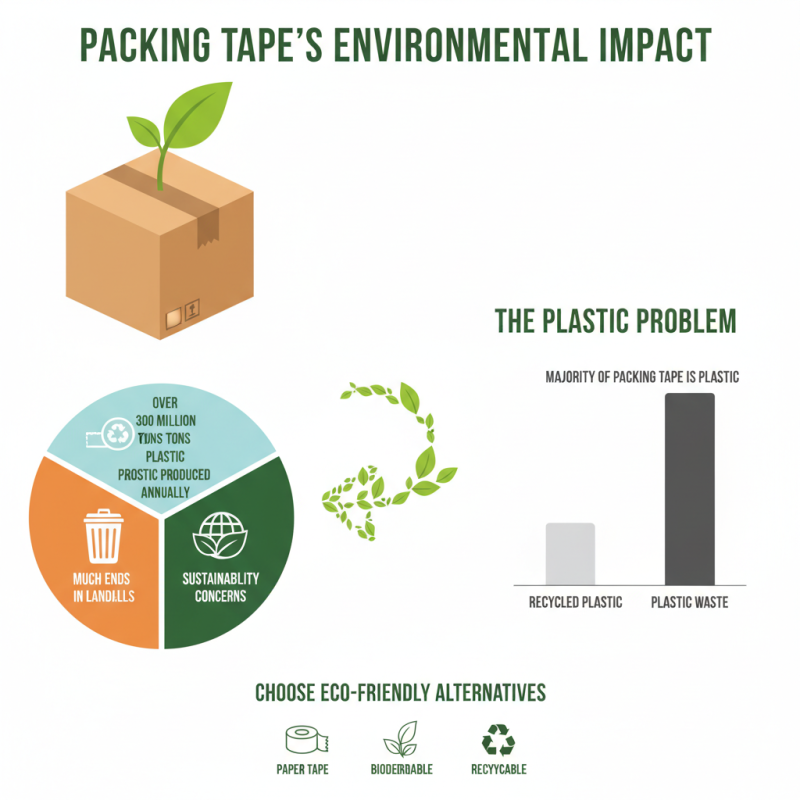
Packing tape plays a critical role in shipping. It's not just about securing packages. It's also about the impact on the environment. A significant portion of packing tape is made from plastic. In fact, reports indicate that over 300 million tons of plastic are produced each year, much of which ends up in landfills. This raises concerns regarding sustainability.
Many companies are now exploring alternatives. Biodegradable options are becoming more accessible. These tapes can break down naturally, reducing the long-term effects of plastic waste. However, these alternatives often come with higher costs. Not all businesses can justify the expense. This creates a dilemma: balancing cost with ecological responsibility.
In addition to materials, the recycling of packing tape is essential. Studies show that less than 9% of plastic is recycled globally. This statistic is alarming. It highlights the need for improved recycling processes. Educating consumers about proper disposal is crucial. It’s clear that while packing tape is necessary for shipping, the choices we make about it need serious consideration.