How to Use Machine Vision Inspection for Quality Control?
In modern manufacturing, quality control is crucial for success. Machine Vision Inspection emerges as a powerful tool in this arena. It automates the inspection process, ensuring accuracy and consistency. Many industries are turning to this technology to enhance their quality control efforts.
Machine Vision Inspection uses cameras and software to analyze products. This system detects defects that are often invisible to the human eye. The precision of this technology can drastically reduce errors. However, implementing such systems requires careful planning. Not all products may be suitable for this method. Some may face challenges related to lighting or reflections.
As industries adopt Machine Vision Inspection, they must confront potential pitfalls. Training staff to interpret visual data can be complex. Additionally, maintaining the technology itself is an ongoing task. These factors necessitate a strategic approach. Companies must balance the benefits with costs. A thorough assessment is essential before integration.
Understanding Machine Vision: Definition and Functionality
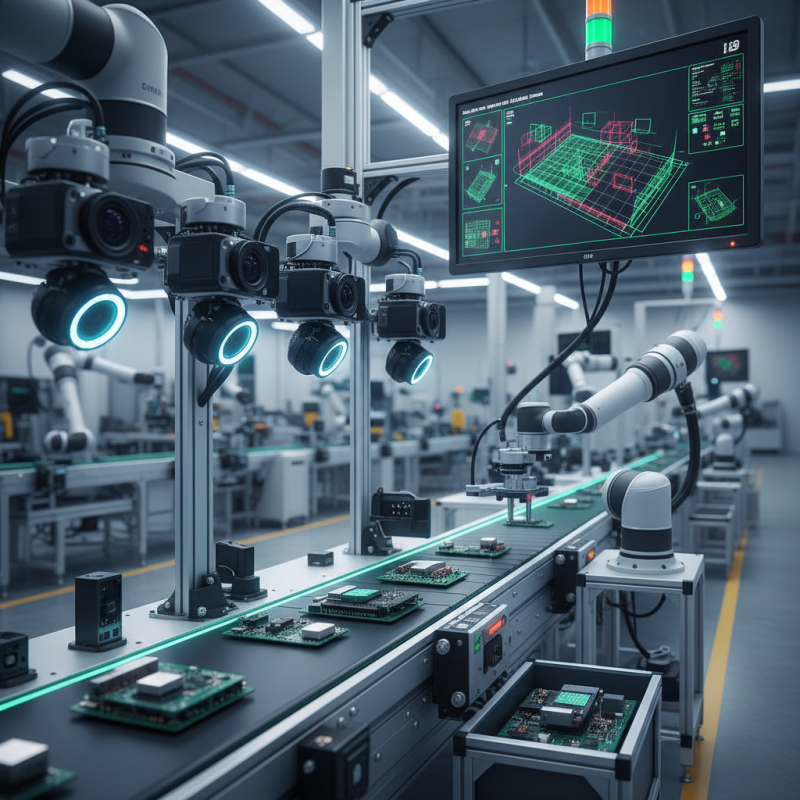
Machine vision is a technology that employs cameras and software to inspect products. Its main purpose is to ensure quality control in manufacturing. By using machine vision, manufacturers can detect defects early in the production process. This reduces waste and improves overall efficiency. Cameras capture images, while algorithms analyze these images to identify issues.
The functionality of machine vision is evolving. It not only checks dimensions but also assesses color and surface finishes. These inspections can happen at high speeds. However, the technology is not flawless. Lighting conditions can affect image quality. Some products may still slip through unnoticed. Regular adjustments to the system are necessary to improve accuracy. Operators must remain vigilant, as false positives can cause unnecessary rework.
Using machine vision can save time and resources, yet it requires constant monitoring. Each setup may come with unique challenges. It is essential to train staff adequately. They need to understand both the technology and its limitations. Investing in ongoing education can help enhance the effectiveness of this system. Challenges remain, but machine vision has the potential to revolutionize quality control in various industries.
Machine Vision Inspection for Quality Control
This chart demonstrates the results of quality control inspections using machine vision technology. It shows the number of defects detected, defects not detected, and the total number of inspections conducted.
Key Components of a Machine Vision Inspection System
Machine vision inspection systems are essential for modern quality control. These systems rely on key components to ensure accuracy and reliability. Cameras are the eyes of the system. They capture images of products at high speeds. The resolution of these cameras affects inspection detail. A higher resolution can detect smaller defects. However, it also requires more processing power. Balancing resolution and speed is crucial yet challenging.
Lighting is another critical component. Proper lighting enhances image quality. It helps in highlighting defects that may be hard to see otherwise. Different applications may require different types of lighting. Some may use bright, direct lights while others benefit from diffuse lighting. Finding the right balance is often a trial-and-error process.
The software used for image processing interprets the data from the cameras. It analyzes the images for quality assurance. However, deadlines can lead to rushed inspections, potentially missing critical flaws. Regular updates and maintenance of software are necessary to adapt to changes in production. Often, teams overlook the importance of having trained personnel to operate these systems effectively. Investing in training can significantly improve inspection accuracy.
Industry Applications: Where Machine Vision Enhances Quality Control
Machine vision inspection is revolutionizing quality control in various industries. In manufacturing, it can detect defects in products at high speeds. This technology uses cameras and image processing algorithms to ensure that every piece meets quality standards. For example, in electronics, it checks for solder joint quality on circuit boards. Minor imperfections can lead to bigger issues.
Food and beverage industries also benefit greatly. Color, shape, and size can be monitored to ensure products meet specifications. However, machine vision systems need continuous calibration. If not, results can be misleading. In some cases, it may miss defects or falsely flag acceptable products as defects.
Automotive manufacturing is another area where machine vision shines. It inspects components for tolerances and surface defects. It enhances safety by ensuring that parts are manufactured correctly. Yet, the technology isn't foolproof. It can struggle with complex shapes or reflective surfaces. Regular updates and training are essential to maximize efficiency. Each industry must tailor the technology to their specific needs for optimal results.
Impact of Machine Vision on Defect Detection Rates and Cost Reduction
Machine vision technology significantly enhances defect detection rates in production lines. According to a recent industry report, machine vision inspection improves accuracy by 99%. This advancement helps identify defects that manual inspection often misses. For instance, automated inspections can detect minute surface flaws in real-time, allowing for immediate corrective action.
Cost reduction is another major benefit. A study found that companies utilizing machine vision saw a reduction in quality control costs by up to 30%. Eliminating human error leads to fewer recalls and reworks. High-speed cameras and software process thousands of images every minute. This efficiency results in faster throughput, which translates to revenue growth.
Tip: Regularly calibrate your machine vision systems. Proper calibration ensures consistency in defect detection. Skipping this step can lead to unexpected results.
Implementing machine vision requires careful planning. Not all systems are perfect. Misinterpretations may occur with complex patterns. Regular assessments are important to optimize performance. Monitoring key metrics will help identify areas for improvement. Ensure that you invest in ongoing employee training as well; it’s crucial for maximizing the potential of your machine vision system.
How to Use Machine Vision Inspection for Quality Control?
| Inspection Method | Defect Detection Rate (%) | Cost per Inspection ($) | Production Speed (Units/hr) |
| Manual Inspection | 70% | 0.50 | 100 |
| Automated Vision System | 95% | 0.30 | 400 |
| Robotic Inspection | 90% | 0.40 | 300 |
| 3D Vision Systems | 98% | 0.50 | 250 |
Future Trends: Advancements in Machine Vision Technology for Quality Assurance
The future of machine vision technology is vibrant and promising. Industry reports predict a significant growth rate in this sector. The global machine vision market is expected to reach $19.5 billion by 2027. This reflects a compound annual growth rate (CAGR) of over 7% from 2020. Such advancements hold incredible potential for quality assurance across various industries.
Recent developments are focused on improving accuracy and efficiency. Deep learning algorithms enhance image processing capabilities. This allows for faster identification of defects in products. High-resolution cameras, coupled with real-time analysis, reduce error rates. However, challenges remain. Integration can be complex and costly. Workforce training is essential to fully utilize new technologies.
Another aspect of machine vision's evolution is its versatility. Systems can be tailored for different applications, from automotive to pharmaceuticals. Customized solutions emerge as a necessity. Yet, standardization is lacking, creating inconsistency across systems. As industries adopt these technologies, a balance between innovation and practical implementation must be achieved. The path forward is not without hurdles, but the potential to elevate quality control is undeniable.