Top Packaging Machinery Trends in 2026 What Buyers Need to Know
In 2026, the landscape of Packaging Machinery is evolving rapidly. As businesses adapt to market demands, new trends are reshaping the industry. Buyers must stay informed about these changes to remain competitive.
One major shift is the rise of automation. Advanced machinery offers higher efficiency and reduces labor costs. However, some companies may struggle to implement these technologies effectively. Education and training will be essential for a smooth transition. Moreover, sustainability is taking center stage. Eco-friendly packaging options are no longer optional. Customers are now prioritizing environmentally responsible products.
As buyers evaluate their options, they must consider the importance of flexibility. The ability to adapt machinery to different products is crucial in today's fast-paced market. This adaptability can be a game-changer for many businesses. The trends in Packaging Machinery are both exciting and daunting. Companies need to reflect on their strategies and prepare for a future driven by innovation.
Emerging Technologies in Packaging Machinery for 2026
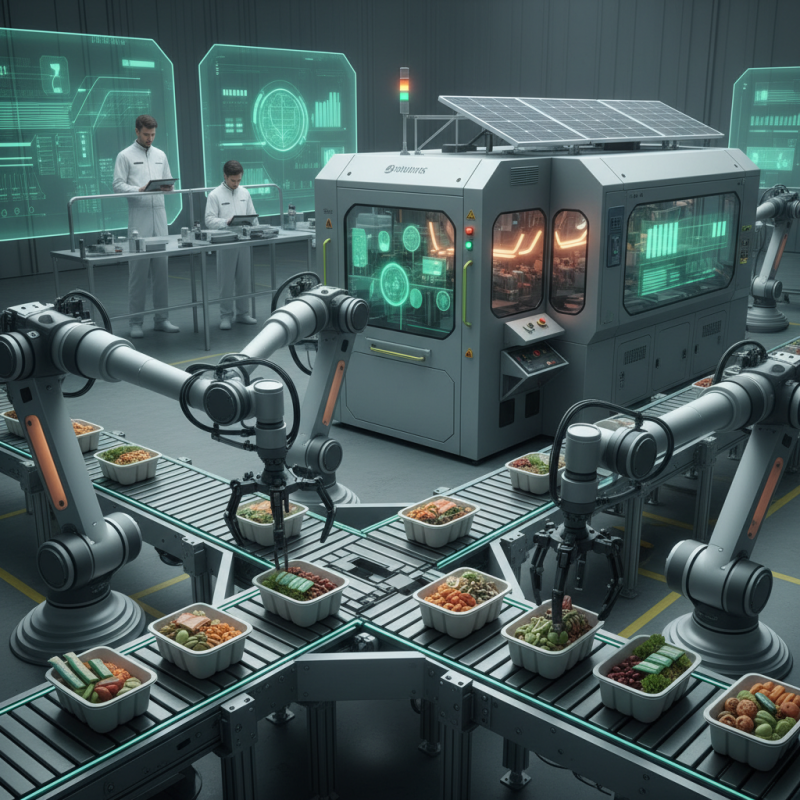
In the fast-evolving landscape of packaging machinery, 2026 will bring notable shifts. Emerging technologies are set to redefine operational efficiency. Automation will become a cornerstone, streamlining packaging processes in various industries. Robotics will play a significant role, enhancing speed and precision. With advanced sensors and AI, machines will adapt to different products seamlessly.
Sustainability will also drive innovation. Eco-friendly materials are gaining traction, pushing manufacturers to explore biodegradable options. These materials will not only meet consumer demand but also comply with stricter environmental regulations. However, transitioning to sustainable practices can be challenging. Companies must balance cost with the need for greener solutions.
Finally, IoT integration will revolutionize data collection and machine interaction. Real-time monitoring will provide insights into performance and maintenance needs. Yet, this technology requires a robust infrastructure, which some companies may find daunting. Embracing these emerging technologies is vital for staying competitive in 2026's packaging landscape.
Sustainability Trends Impacting Packaging Equipment Purchases
Sustainability is reshaping the packaging machinery landscape. Buyers today prioritize eco-friendly solutions. This trend stems from consumer demand for more responsible production methods. Machinery that minimizes waste and reduces energy consumption gains popularity. Manufacturers are responding with innovative designs focusing on recyclable materials.
Investing in sustainable packaging equipment requires careful consideration. Buyers need to assess the entire lifecycle of machines. How long will they last? What is the cost of operation? Many manufacturers are adopting more transparent practices. They are sharing performance data and sustainability metrics. This information can guide buyers toward informed decisions.
However, challenges persist. Not all sustainable options are practical for every business. High initial costs may deter smaller companies. Additionally, the availability of green materials can vary. Consumers often expect fast results, yet sustainable practices take time. Balancing demand with realistic capabilities remains essential for most businesses.
Automation and Robotics in the Future of Packaging
The future of packaging is dynamically evolving with automation and robotics leading the charge. Manufacturers are increasingly adopting robotics to enhance efficiency and reduce labor costs. Automated systems can work tirelessly, improving production speeds and minimizing human error. In 2026, buyers need to navigate this fast-paced landscape carefully.
Selecting the right equipment can be daunting. Buyers should conduct thorough research on the latest automation technologies. Understanding integration capabilities with existing systems is essential. Assessing your workflow before investing in new machinery can yield better results. For example, clarity around production goals helps in making informed decisions.
While automation provides numerous benefits, it’s not without challenges. Transitioning to robotic systems requires upfront investment and training. Some companies struggle with fully integrating these systems. It’s crucial to foster a culture of adaptability within the workforce. Investing in employee training can facilitate smoother transitions. Ask yourself: How can my team adapt? Embracing change is vital for success in the future packaging landscape.
Top Packaging Machinery Trends in 2026
Customization and Flexibility in Packaging Solutions
The shift towards customization and flexibility in packaging solutions is reshaping the industry. As consumer preferences evolve, companies are seeking packaging that meets specific needs. Customization not only allows brands to stand out but also enhances the customer experience. For example, personalized packaging can capture attention on store shelves. This trend is not merely aesthetic; it also addresses functionality.
Flexibility is equally crucial in modern packaging machinery. Manufacturers must adapt to varying production volumes and diverse product types. Flexible machinery enables quick changes in packaging formats. This reduces downtime and increases efficiency. However, it requires a skilled workforce capable of managing such technology. Not all companies are equipped for this transition, which can lead to challenges.
Investing in customized and flexible packaging solutions may feel daunting. Yet, the payoffs can be significant. Companies that embrace these trends can meet consumer demands and stay competitive. They must also reconsider their supply chain practices. Adopting such innovations can require a cultural shift within teams. Something to think about as the market continues to evolve.
Top Packaging Machinery Trends in 2026 What Buyers Need to Know
| Trend | Description | Impact | Importance Level (1-5) |
| Customization | Growing demand for personalized packaging designs that enhance brand identity. | Increases consumer engagement and loyalty. | 5 |
| Flexibility | Machines capable of handling various package sizes and styles without significant downtime. | Enhances production efficiency and responsiveness to market demands. | 4 |
| Sustainability | Focus on eco-friendly materials and processes in packaging machinery design. | Aligns with global environmental goals, appealing to eco-conscious consumers. | 5 |
| Automation | Integration of advanced robotics and AI for streamlined packaging processes. | Reduces labor costs and improves overall operational efficiency. | 4 |
| Smart Packaging | Use of IoT technology for real-time tracking and monitoring of products. | Enhances supply chain transparency and reduces waste. | 5 |
Key Factors Buyers Should Consider When Choosing Packaging Machinery
When choosing packaging machinery, several key factors can greatly influence the decision-making process. Buyers should consider the type of products being packaged. Products vary widely, and so do their packaging needs. For instance, liquid products often require unique machinery to handle filling and sealing efficiently. Understanding these specific requirements helps in selecting the right equipment.
Another consideration is the machinery's speed and throughput. In a fast-paced production environment, it’s crucial that machinery can keep up with demand. Buyers should think about their production goals. High-speed operations may require advanced technology, which can also come at a higher cost. It's essential to balance speed and budget effectively.
Buyers must not overlook the importance of after-sales support and maintenance. The machinery should come with reliable service options. Downtime can be costly, so having a dependable support team is vital for addressing potential issues. This factor often gets less attention but can ultimately affect overall productivity. It’s important to reflect on these aspects and ensure they align with business goals before making a final decision.