What Is Paper Wrapping Tape and How Is It Used?
Paper wrapping tape looks simple, but its performance depends on material, adhesive, and handling conditions. It is usually made from paper backing coated with pressure-sensitive adhesive. When pressed onto a carton, bundle, or wrapped product, it creates a practical seal without adding plastic film. The surface may be smooth, ribbed, printed, or reinforced with fibers.
Packaging researcher Susan M. Selke has emphasized that packaging must protect products while reducing environmental impact. That principle helps explain the growing interest in paper wrapping tape. It can support cleaner-looking parcels, easier labeling, and more convenient disposal. However, paper does not automatically mean sustainable. Adhesive strength, moisture resistance, coating composition, and recycling-system requirements still matter.
A small test helps.
For example, apply the tape to a corrugated box at room temperature. Press it firmly along the seam, then check the bond after several minutes. A weak seal may result from dust, cold storage, rough cardboard, or excessive tension during wrapping. These details are easy to overlook. I have seen paper tape selected mainly for appearance, while its actual holding performance received little attention.
This article explains what paper wrapping tape is, how manufacturers build it, and where it performs best. It also examines common applications, including carton sealing, gift wrapping, product bundling, and protective packaging. The discussion will not treat every paper tape as identical. That would be convenient, but inaccurate. Users need to match the tape’s width, adhesive type, strength, and exposure conditions with the job.
Definition and Key Features of Paper Wrapping Tape
What Is Paper Wrapping Tape and How Is It Used?
Definition and Key Features of Paper Wrapping Tape
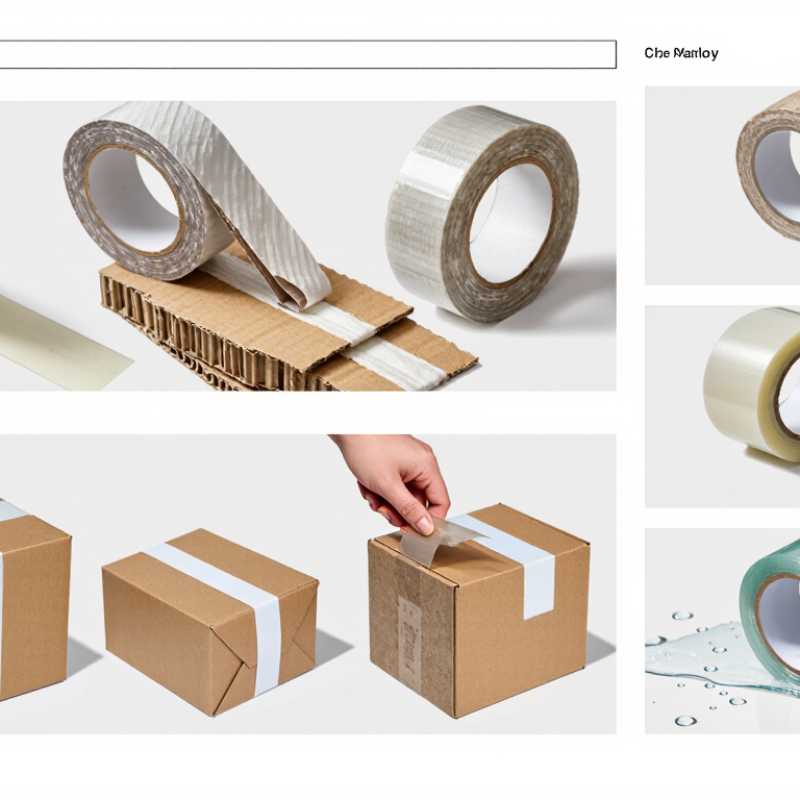
Paper wrapping tape is an adhesive strip with a paper backing. It is used to close packages, bundle materials, protect wrapped items, or attach labels. Unlike plastic tape, it usually has a natural, matte appearance. Many types can be torn by hand. Some are smooth and printable, while others use textured kraft paper for extra grip. Adhesive strength, moisture resistance, and tearability vary between products.
The tape works best on clean, dry surfaces. Pressing it firmly helps the adhesive contact the cardboard or wrapping paper. In warehouses, it can seal cartons and reduce loose flaps during handling. At home, it can secure gift wrap, organize cables, or hold protective paper around fragile objects. It is quieter to unwind than many plastic tapes. However, it is not automatically recyclable in every system. Adhesive residue and local recycling rules can affect disposal.
Tips: Test a small area first. Some adhesives mark coated paper or painted surfaces. Keep the roll away from heat and moisture. Avoid using lightweight paper tape for heavy boxes. No tape does everything well. A quick strength check can prevent a failed seal, especially when packages face vibration or damp conditions. In practice, careful surface preparation often matters as much as the tape itself.
Materials and Manufacturing Process
Paper wrapping tape is a pressure-sensitive tape with a paper backing and an adhesive layer. Its backing usually starts with kraft paper, recycled paper, or creped paper. Kraft paper provides strength, while creping improves flexibility around corners. Some grades include a light coating that controls moisture absorption and surface smoothness.
The adhesive may be water-based acrylic, natural rubber, or synthetic rubber. Each option affects tack, holding power, temperature resistance, and removability. Water-based adhesives can offer a cleaner production profile, but drying conditions must be carefully controlled. Rubber-based formulas often grip rough cardboard quickly. However, they may lose performance in high heat or direct sunlight. Material choice changes with the package surface.
Manufacturing begins when large paper rolls are unwound and surface-treated. The paper then passes through an adhesive coating station. A controlled drying tunnel removes moisture or solvents from the coating. The finished web is cooled before winding. Slitting machines cut the master roll into narrower widths and create retail-sized rolls. Operators check thickness, tensile strength, adhesion, edge quality, and unwind performance. Small defects matter. A slightly uneven edge can cause tearing during application. Excessive adhesive can leave residue, while insufficient coating may fail on dusty cartons. In practical packaging tests, results can vary with humidity, cardboard texture, and hand pressure. This is why a reliable specification should include application conditions, not only tape width and length.
What Is Paper Wrapping Tape and How Is It Used? – Materials and Manufacturing Process
| Data Dimension | Typical Material or Process | Key Characteristics | Common Applications |
|---|---|---|---|
| Product Definition | Pressure-sensitive adhesive tape with a paper backing | Designed to bond to a surface when pressure is applied; it does not normally require water, heat, or solvent activation during use. | Carton sealing, bundling, labeling, surface protection, masking, and lightweight wrapping. |
| Backing Material | Kraft paper, crepe paper, or smooth coated paper | Kraft paper provides a relatively strong base, crepe paper offers stretch and conformability, and smooth paper supports cleaner printing and labeling. | Packaging tape, masking tape, decorative wrapping, and printed identification tape. |
| Paper Fiber Source | Virgin wood pulp, recycled fiber, or a blend of both | Virgin fibers can provide consistent strength and surface quality. Recycled fibers can reduce the use of new fiber but may vary in strength and appearance. | Packaging grades, general-purpose tapes, and applications with recycled-content requirements. |
| Adhesive Type | Water-based acrylic, natural rubber, synthetic rubber, or hot-melt adhesive | Acrylic adhesives generally provide good aging and temperature resistance. Rubber-based adhesives commonly provide high initial tack and strong bonding to many packaging surfaces. | Sealing corrugated boxes, temporary holding, masking, bundling, and general industrial packaging. |
| Adhesive Coating | Adhesive applied as a uniform layer to one side of the paper backing | Coating weight and uniformity influence tack, peel adhesion, holding power, and the risk of adhesive transfer. | Different grades are selected for smooth cardboard, corrugated board, plastic, glass, painted metal, or other substrates. |
| Release Treatment | Silicone or another release coating on the reverse side | Helps the tape unwind from the roll without excessive noise, tearing, adhesive transfer, or blocking between layers. | Single-sided pressure-sensitive tape supplied in rolls. |
| Surface Treatment | Priming, sizing, or coating of the paper backing | Improves fiber anchorage, moisture resistance, printability, dimensional stability, and adhesion between the paper and adhesive layers. | Printed packaging tape, higher-strength carton sealing, and applications exposed to moderate humidity. |
| Manufacturing Step 1 | Paper production and converting | Paper is formed into a web, dried, calendered or otherwise finished, and supplied in a width suitable for tape coating. | Creates the paper backing that determines much of the tape’s tensile strength, flexibility, and surface appearance. |
| Manufacturing Step 2 | Back-side release coating | A controlled release layer is applied and dried or cured before adhesive coating, depending on the product design. | Allows stable unwinding and helps preserve roll quality during storage and application. |
| Manufacturing Step 3 | Adhesive mixing and filtration | Raw adhesive components are blended to achieve the target viscosity and performance, then filtered to remove unwanted particles. | Supports consistent coating quality and reduces defects such as pinholes, lumps, or uneven adhesive coverage. |
| Manufacturing Step 4 | Adhesive coating | The adhesive is applied to the paper web using equipment such as a knife, roll, slot-die, or other coating system. | Controls adhesive thickness, tack, peel adhesion, and holding power. |
| Manufacturing Step 5 | Drying or curing | Water-based adhesives are dried to remove water. Hot-melt and solvent-based systems use different heating, cooling, or solvent-removal conditions. | Develops the final adhesive properties and prevents blocking or poor bonding caused by residual moisture or solvent. |
| Manufacturing Step 6 | Printing and surface finishing | Text, symbols, or graphics may be printed on the paper surface using suitable printing methods and inks. | Brand-free handling instructions, recycling information, warning messages, directional marks, and package identification. |
| Manufacturing Step 7 | Slitting and rewinding | The coated jumbo web is slit into narrower widths and rewound into finished rolls with controlled tension. | Produces tape rolls for hand application, dispensers, carton-sealing machines, or custom-width packaging operations. |
| Bonding Mechanism | Pressure-sensitive adhesion | Application pressure increases contact between the adhesive and the substrate. Clean, dry, and relatively smooth surfaces usually provide better bonding. | Fast carton closure and temporary or permanent attachment without separate activation equipment. |
| Important Performance Properties | Tack, peel adhesion, shear holding power, tensile strength, elongation, and unwind behavior | Performance depends on the paper grade, adhesive chemistry, coating weight, temperature, humidity, and the surface being bonded. | Selection of tape for packaging lines, warehouse use, masking, bundling, or surface protection. |
| Moisture Considerations | Paper backing with optional moisture-resistant treatment | Untreated paper can absorb moisture and lose dimensional stability or strength. Coatings and suitable adhesives can improve performance in humid conditions. | Indoor packaging and controlled environments; specialized grades may be used where short-term humidity exposure is expected. |
| Temperature Considerations | Adhesive and backing selected for the service temperature | Low temperatures can reduce tack, while high temperatures can soften some adhesives or reduce holding power. Actual limits vary by formulation. | Cold-storage packaging, normal warehouse conditions, heated production areas, and general indoor use. |
| End-of-Life Profile | Paper backing combined with adhesive and possible coatings | The paper component is fiber-based, but recyclability depends on adhesive quantity, coatings, local recycling rules, and the amount of tape attached to the package. | Paper and corrugated packaging systems where the tape is designed and accepted for the relevant recycling stream. |
| Storage Conditions | Cool, dry, clean storage away from direct sunlight | Stable temperature and humidity help preserve adhesive performance, roll shape, and unwind quality. Rolls should remain in their protective packaging until use. | Warehouses, packaging rooms, distribution centers, and manufacturing facilities. |
Common Types and Their Suitable Applications
What Is Paper Wrapping Tape and How Is It Used?
Common Types and Their Suitable Applications
Paper wrapping tape is a packaging material made from paper backing and adhesive. It seals parcels, protects edges, and supports neat wrapping. Unlike plastic tape, it offers a natural surface that can be written on or printed. Small detail, big effect.
Self-adhesive kraft tape suits light cartons, gift wrapping, and daily office packages. It applies quickly with hand pressure. Water-activated paper tape needs moisture before use. Its adhesive bonds firmly with corrugated cardboard, making it suitable for shipping boxes and warehouse packing.
Reinforced paper tape contains strong fibers. Use it for heavier cartons, stacked parcels, or boxes with rough handling. Crepe paper tape is different. It works better for temporary protection, painting, and surface marking than for permanent carton sealing.
The right type depends on weight, storage conditions, and handling time. In practical packing work, clean cardboard gives the best bond. Dust, oil, and cold surfaces can reduce adhesion. Humidity also matters. Water-activated tape may need longer contact in damp spaces, while pressure-sensitive tape can lose grip on dusty cartons.
Not every carton. Test it first. I have found that wider tape often looks safer, but poor application still causes failures. Press along the full strip, especially at corners and seams. Paper tape can support recycling goals, yet the adhesive and box materials should still match local recycling guidance.
How to Use Paper Wrapping Tape Step by Step
Paper wrapping tape is a paper-based adhesive tape used to close parcels, bundle materials, and support light protective wrapping. It has a firm surface that can be written on, making package identification easier. Unlike plastic tape, it often feels more natural and can be easier to separate during recycling. Its strength varies, so the tape should match the parcel’s weight and surface.
How to Use Paper Wrapping Tape Step by Step
- Place the item inside a clean, sturdy box.
- Remove dust and moisture from the sealing area.
- Fold the main flaps together, keeping their edges aligned.
- Cut a strip long enough to cover the center seam and extend slightly down both sides.
- Press the tape from the middle outward. This reduces wrinkles and trapped air.
- Add another strip across each end for heavier parcels.
- Rub the tape firmly with your fingers or a flat tool.
- Check every edge before moving the package.
- If the tape lifts, the surface may be dusty, damp, or too rough.
- I sometimes apply a second layer too quickly, which can hide a weak first seal.
Tips: Store the roll in a dry room away from direct heat. Test one small piece on recycled cardboard first. Press harder on uneven surfaces. Do not stretch the tape excessively, because it may pull back from the corners. For valuable or fragile contents, use internal cushioning and a stronger sealing method when necessary.
Benefits, Limitations, and Storage Considerations
What Is Paper Wrapping Tape and How Is It Used?
Paper wrapping tape usually has a kraft-paper backing and a pressure-sensitive adhesive. It seals cartons, bundles documents, and closes lightweight parcels. Some versions include reinforcing fibers for stronger closure. The paper surface accepts handwriting, which helps identify contents during storage. It also gives packages a cleaner, less plastic-heavy appearance.
Its main benefit is convenient application. Users can tear many types by hand and press them directly onto clean cardboard. The seal performs well on ordinary boxes at room temperature. However, paper tape is not a universal replacement for plastic tape. Moisture can weaken the backing or affect adhesion. Dusty, oily, or heavily recycled cardboard may create a poor bond. Heavy boxes may also need reinforced tape or additional wrapping. It is tempting to call paper tape fully eco-friendly, but that claim needs care. Adhesive coatings, mixed materials, and local recycling systems can change the result.
Storage conditions deserve equal attention. Keep rolls in a dry, shaded area away from heaters, windows, and sudden temperature changes. A moderate indoor temperature is usually safer than a hot warehouse. Store rolls upright or in their original packaging, without crushing the edges. Before use, check for curling, brittle paper, or uneven adhesive. I have found that rushed storage decisions can matter more than the tape itself. A short test on the actual carton can prevent a failed seal later.
What Is Paper Wrapping Tape and How Is It Used?
Paper wrapping tape is a paper-backed adhesive tape used for sealing parcels, bundling materials, gift wrapping, and general packaging. The profile below reflects typical practical performance: higher scores indicate stronger suitability, while outdoor exposure and contaminated surfaces are common limitations.
Storage tip: Keep paper wrapping tape in its original packaging in a clean, dry place at a stable room temperature. Protect it from direct sunlight, moisture, dust, and extreme heat or cold. Allow the tape to acclimatize before use if it has been stored in a very different environment.
Related Posts
-
7 Best Paper Tape Suppliers for Global Buyers?
-
Why Choose Paper Wrapping Tape for Your Packaging Needs?
-
7 Best Kraft Packaging Tape Suppliers for Global Buyers
-
2026 Best Kraft Paper Packing Tape for Global Buyers?
-
Top Types of Paper Wrapping Tape for Your Packaging Needs?
-
Top 10 Uses for Paper Wrapping Tape in Everyday Life?