Essential Tips for Choosing the Best Industrial Packaging Tape?
Choosing the right industrial packaging tape can significantly impact your operations. It plays a crucial role in product protection and shipping efficiency. Industrial packaging tape is not a one-size-fits-all solution. Different materials suit various applications.
Consider elements like adhesion strength, temperature resistance, and durability. For example, some tapes work better in cold environments, while others excel in high heat. It's essential to balance these factors to avoid unexpected failures. Remember, using the wrong tape could lead to product damage or increased costs.
Additionally, think about the specific requirements of your packaging processes. Experienced professionals often recommend testing a few options before making a decision. Always reflect on your needs and gather feedback from your team. Finding the perfect industrial packaging tape requires time and attention to detail. Your choice should enhance not just efficiency but also the overall reliability of your shipments.
Understanding the Different Types of Industrial Packaging Tapes
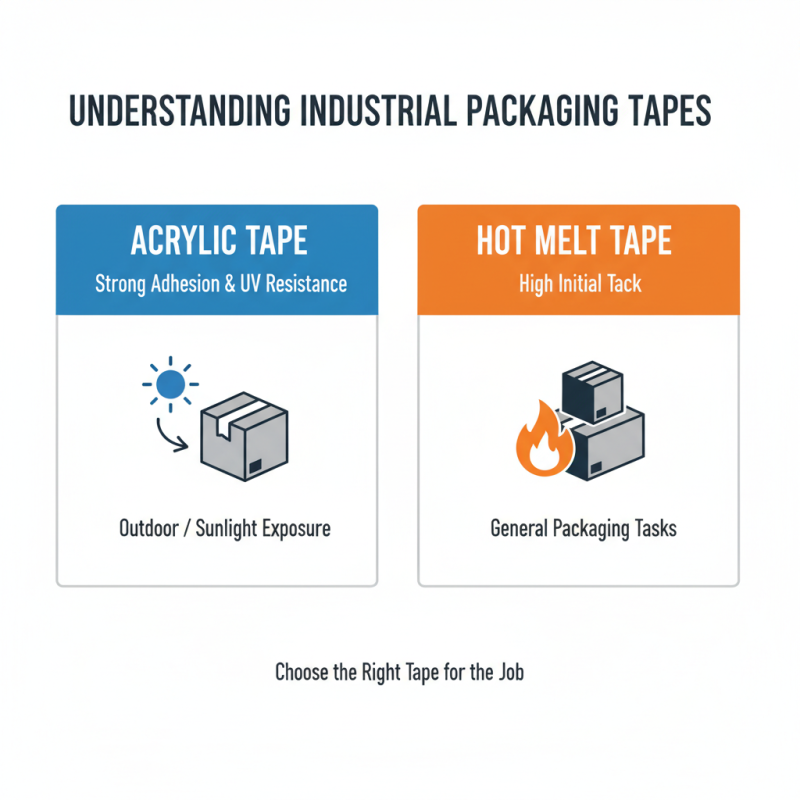
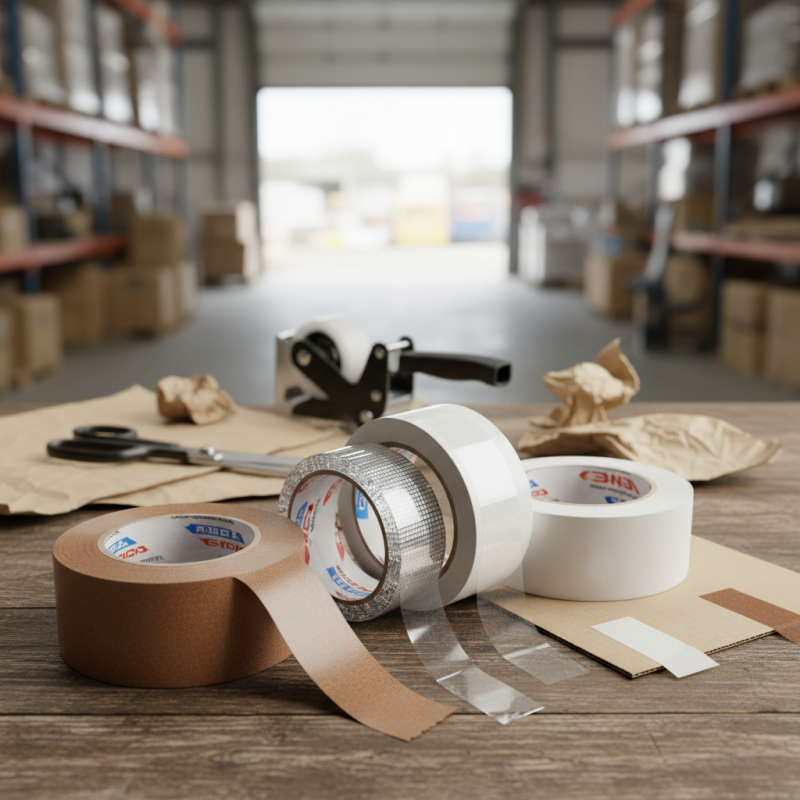
When choosing industrial packaging tape, understanding the different types available is essential. There are several varieties designed for specific applications. For example, acrylic tape is often favored for its strong adhesion and resistance to UV light. It works well in environments exposed to sunlight. Hot melt tape, on the other hand, offers great initial tack and is suitable for general packaging tasks.
Gummed paper tape requires water activation and is biodegradable. It creates a strong bond with cardboard, ideal for heavy-duty shipping. Investigate these options carefully; a tape that fits your needs ensures the integrity of your packages. A common oversight is selecting the cheapest tape without considering its performance. This can lead to damaged goods and increased shipping costs.
Pressure-sensitive tape is versatile and user-friendly. It sticks immediately, making it a popular choice. However, its effectiveness can diminish in extreme temperature conditions. Do not overlook the importance of proper application techniques. Taking a moment to ensure a tight seal can prevent many issues. Remember, the right tape can make a significant difference in your packaging efficiency.
Key Factors to Consider When Choosing Packaging Tape
Choosing the right industrial packaging tape can significantly impact your operations. First, consider the tape’s adhesion properties. A tape must bond securely to various surfaces, including cardboard, plastic, and metal. According to industry reports, about 30% of all packaging failures occur due to improper tape selection. A proper adhesive minimizes waste and ensures product safety during transit.
Also, evaluate the tape’s thickness and material. Thicker tapes typically offer better durability and resistance to tearing. Research indicates that a tape with a tensile strength of 50 pounds per inch can withstand average shipping conditions. This strength becomes crucial as the risk of damage increases with distance and handling.
Environmental factors are equally important. Consider temperature and humidity exposure that can affect tape performance. A report revealed that around 25% of packaged goods are compromised because of inadequate moisture resistance. Various tape materials, like polypropylene or PVC, perform differently under these conditions. Understanding these details is essential to make informed choices and avoid imperfect solutions that could lead to operational setbacks.
Essential Tips for Choosing the Best Industrial Packaging Tape
Evaluating Adhesive Strength and Durability for Packaging Needs
When it comes to industrial packaging, adhesive strength is critical. The right tape should bond effectively to various surfaces. Look for options that withstand temperature changes, moisture, and heavy handling. Thin adhesive layers may peel easily, while thicker bonds offer durability and reliability. Testing different materials helps determine what meets your specific needs.
Choosing the right packaging tape involves more than just cost. Evaluate the tape's resistance to wear and tear. Some tapes excel in holding during transit, while others may fail. Consider the weight of the items to be packaged. Heavier loads require stronger adhesive properties. Testing adhesive strength can avoid costly mistakes.
Remember, not all tapes are created equal. It's essential to revisit your choices periodically. Market needs change, and so do materials. What worked a year ago might not suffice today. Always prioritize quality to ensure your products arrive intact, enhancing your brand credibility.
Assessing Environmental Impact and Sustainability of Packaging Tapes
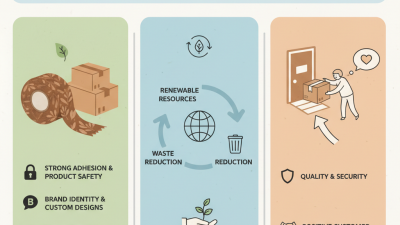
When selecting industrial packaging tape, environmental impact is essential. Many traditional tapes contain plastics that harm the planet. Choosing sustainable options helps reduce waste. Look for tapes made from recycled materials. They are often just as effective as their conventional counterparts.
Another crucial tip is to consider the tape's end-of-life. Some tapes can be composted, while others contribute to landfill overflow. Seek out companies that provide clear disposal guidelines. This ensures proper management once the tape is used.
Lastly, think about the energy used in production. Eco-friendly tapes usually require less energy to manufacture. By opting for these, your operations can cut down on carbon emissions. Reflecting on these aspects can lead to a more sustainable choice. Making mindful decisions today can greatly influence future sustainability efforts.
Cost-Effectiveness and Value for Money in Packaging Solutions
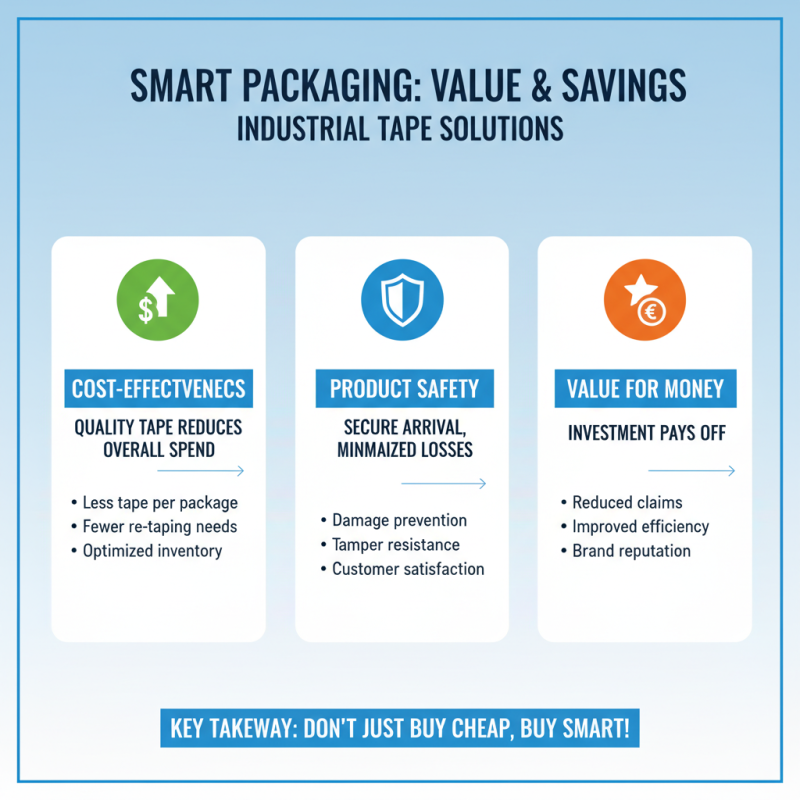
When selecting industrial packaging tape, cost-effectiveness and value for money are crucial factors to consider. Quality tape can significantly reduce shipping and handling costs. Investing in the right packaging tape ensures that your products arrive securely and intact, minimizing losses from damaged items.
Tips for choosing the best tape include evaluating your specific needs. Consider the weight and size of the parcels you typically ship. Heavier items require sturdier tape. Also, think about the surface of the materials you will be sealing. Some tapes perform better on certain surfaces.
Don’t overlook the importance of adhesive quality. A tape that provides a strong seal ensures your packages stay secure during transit. However, be wary of options that seem too cheap; they may compromise quality. Balancing price and performance can be tricky, but it’s essential for long-term savings and efficiency.