Top Tips for Choosing Printed Paper Packing Tape for Shipping
When it comes to shipping, choosing the right materials is crucial. One of those materials is printed paper packing tape. As shipping expert Jessica Collins states, "The right packing tape not only secures your package but also enhances your brand image." This highlights the importance of selecting quality tape.
Printed paper packing tape is an eco-friendly alternative to traditional plastic tape. It offers durability and a professional appearance. However, not all printed tape is created equal. Some tapes may not adhere well in various temperatures or may not hold up during transit. It's essential to consider the specific needs of your shipping operations.
While many businesses rush the decision, taking time to assess the options is wise. Reflect on what works for your brand. You want your packages to arrive safely and look presentable. Experimenting with different printed paper packing tape types can help find a perfect fit.
Factors to Consider When Choosing Printed Paper Packing Tape
Choosing the right printed paper packing tape is crucial for ensuring your packages arrive safely and look professional. When selecting packing tape, consider the adhesive quality. A strong adhesive will keep your boxes secure during transit. Test the tape on different surfaces to determine how well it adheres. Sometimes, a tape might work well on corrugated cardboard but fail on smooth surfaces.
Next, examine the thickness of the tape. Thicker tapes often provide better durability against tearing. However, thicker doesn't always mean better for every application. You may need a more flexible tape for certain packaging types. Consider the weight and fragility of your items. Your choice should reflect the specific needs of what you're shipping.
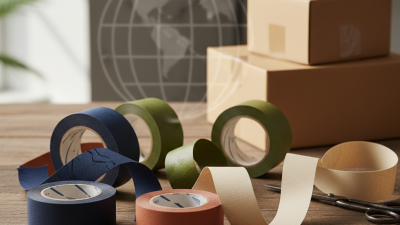
Finally, the design elements of the printed tape are important. Colors and branding can enhance your packaging. Think about how your tape aligns with your brand’s identity. It’s a chance to communicate your values. Make a few samples to see how they look on your packages. If the design isn't cohesive or appealing, it may require changes. Balancing functionality and aesthetics is essential.
Types of Printed Paper Packing Tape and Their Uses
When it comes to printed paper packing tape, understanding the different types is essential. Various patterns, colors, and prints serve unique purposes. For example, water-activated tape is ideal for heavy-duty shipping. It bonds securely when activated, making it perfect for long-distance transport. The design is often simplistic but functional, ensuring packages arrive intact.
Another option is pressure-sensitive tape, which works without needing moisture. This tape is easy to apply and comes in many designs. It is useful for quick sealing and can enhance brand visibility. Some users find this type less secure for significant weight, which may lead to failures. Additionally, kraft paper tape promotes eco-friendliness. It is biodegradable and appealing for companies focused on sustainability.
Choosing the right type helps improve shipping efficiency. Not all tapes suit every application. Reflecting on the needs of your business is crucial. Experimenting with different tapes can yield surprising results. Balancing cost and effectiveness is often a challenge but worth the effort.
Understanding Adhesive Strength for Shipping Needs
When it comes to shipping, choosing the right packing tape is essential. Adhesive strength is a key factor in this decision. A tape with strong adhesive ensures that packages remain securely sealed throughout transit. Weak tape might fail, leading to damages or lost items. This risk is especially pronounced for items that are fragile.
Consider different types of adhesives. Some tapes are designed for specific surfaces. For instance, polypropylene tape adheres well to cardboard. However, they might not perform as effectively on plastic surfaces. A mismatch may result in tape that does not stick properly. It’s critical to match the adhesive type with your shipping materials.
Testing is a vital aspect. Applying tape to sample packages can help evaluate its performance. Observe how well the tape holds over time. Look for signs of wear or peeling. Not all tapes perform well under varying temperatures or humidity. A strong adhesive that works well in one environment may fail in another. Consequently, ongoing evaluation can guide future purchases.
Customization Options for Printed Paper Packing Tape
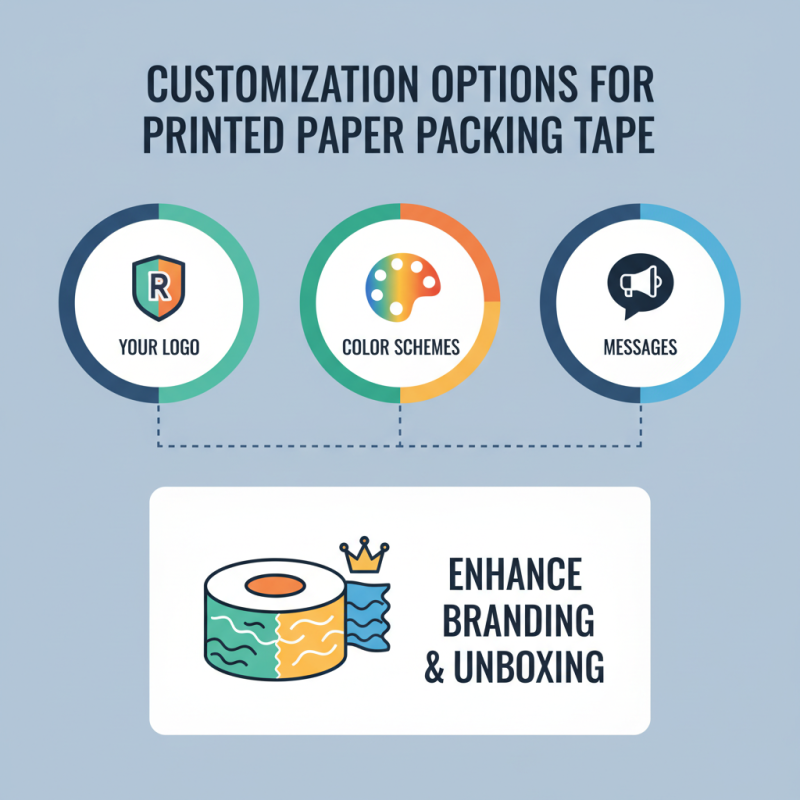
Customization options for printed paper packing tape can greatly enhance your shipping experience. A bespoke design allows you to showcase your brand. Custom tape can include your logo, unique color schemes, and specific messages. This personalization not only helps in branding but also aids in creating a memorable unboxing moment for your customers.
When considering options, think about the material. High-quality paper is necessary for durability and a professional appearance. Choose eco-friendly options if sustainability is a priority for your brand. You could also reflect on how different colors and styles resonate with your audience. Experimenting is key. It may require several iterations to find the perfect design that communicates your brand's identity.
However, customization may present some challenges. Managing design expectations and production timelines can be tricky. Sometimes the final product may not match your vision. Taking time to review samples can save on miscommunication. Not every choice will be perfect on the first try, and that's okay. Reflecting on feedback will guide adjustments.
Environmental Considerations When Selecting Packing Tape
When selecting printed paper packing tape, environmental impact is crucial. Many tapes are made from plastic, harming our planet. Opt for options made from recycled materials. These choices reduce waste and lower carbon footprints. Sustainable packaging is increasingly important for businesses and consumers.
Consider the adhesive used in the tape. Some adhesives release harmful chemicals. Look for tapes with water-based or eco-friendly adhesives. They are safer for the environment and equally effective. Choosing wisely can make a difference.
It’s essential to think about the entire lifecycle of the tape. What happens when it’s discarded? Is it recyclable? Finding a tape that fits your needs and minimizes environmental harm can be challenging. Reflect on your choices. Every small step contributes to a healthier planet.