How to Use Heat Seal Tape for Efficient Fabric Bonding?
Heat seal tape is a versatile tool for fabric bonding. Its strong adhesive properties make it ideal for a variety of projects. Many users find it handy for both home and industrial applications.
Using heat seal tape can simplify the process of joining fabrics. You can achieve a clean and durable bond without sewing. This can save time and effort. However, some may struggle with the temperature settings. Finding the right heat level is crucial. Too hot can damage the fabric, while too low may not bond effectively.
Experimenting with different materials is important. Each type of fabric reacts differently to heat seal tape. Understanding this aspect can lead to more successful projects. While it may take practice, the results are often rewarding. Your next fabric bonding task could become a breeze.
Understanding Heat Seal Tape and Its Applications
Heat seal tape is a practical solution for fabric bonding. Its applications span various industries, including apparel, automotive, and home textiles. According to a report by Smithers Pira, the global heat seal tape market is expected to grow by 7% annually. This growth reflects the increasing demand for fast, reliable bonding methods.
This tape consists of a strong adhesive layer that activates with heat. It bonds materials quickly and efficiently. Industries often use it for creating seams in garments. It is crucial for performance in high-stress areas. With proper application, heat seal tape can withstand temperatures up to 100°C.
Tips: Ensure surfaces are clean before applying. This helps achieve better adhesion. Test different heat settings on a scrap piece first. Not every fabric reacts the same way. Some materials may require more heat or pressure for effective bonding. Regularly check adhesive quality; old tape may not seal well.
Preparing Your Fabric for Heat Sealing
When preparing your fabric for heat sealing, cleanliness is crucial. Any dirt or dust can hinder the sealing process. Start by washing your fabric thoroughly. Ensure it’s free from any oils or residues. It may help to use a mild detergent.
Before applying heat seal tape, check the fabric for any fraying edges. If you notice any, trim them carefully. This helps create a clean edge for the tape to adhere to. Consider testing a small section first. This way, you can see how the fabric responds to heat without risking damage.
Tips: Always use a pressing cloth when applying heat. This protects your fabric from direct heat damage. Make sure the edges of your heat seal tape align perfectly. Misalignment may lead to weak bonds. Remember, not every fabric responds the same way. Experimentation might be necessary. It's okay if things don't go as planned!
Step-by-Step Guide to Applying Heat Seal Tape
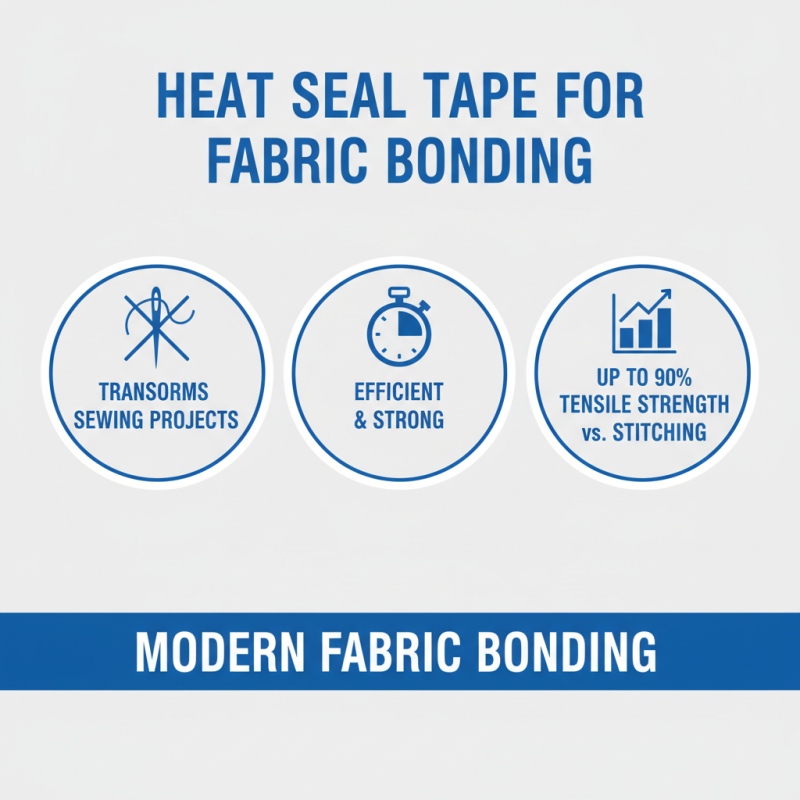
Using heat seal tape for fabric bonding can transform your sewing projects. This method is popular due to its efficiency and strength. A recent industry report noted that heat seal bonding could achieve a tensile strength of up to 90% compared to traditional stitching methods.
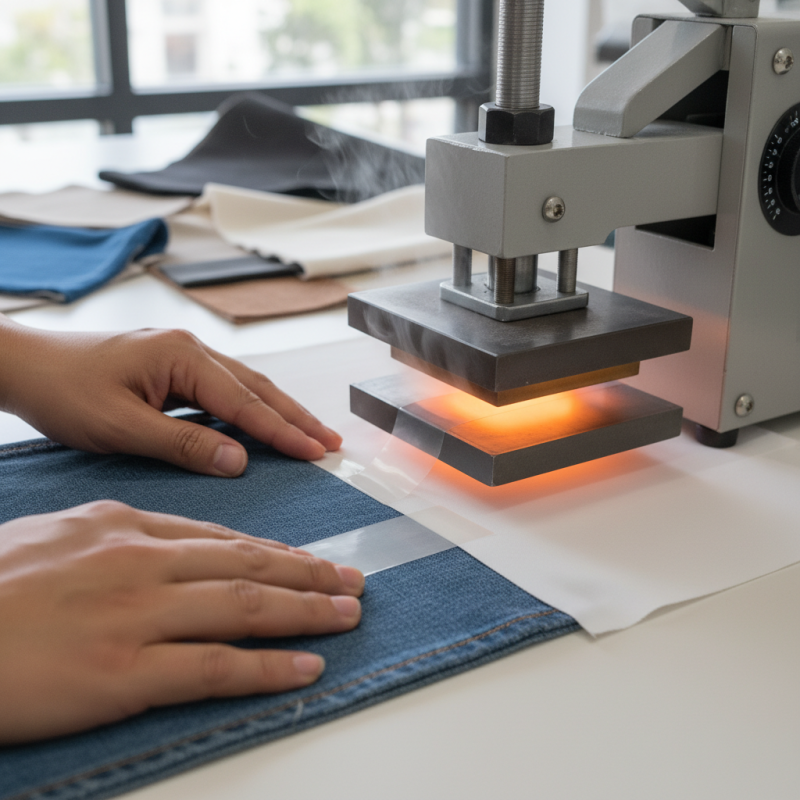
To apply heat seal tape, start by preparing your fabric. Cut the tape to the desired length. Ensure both fabric pieces are clean and dry. Place the tape between the fabric layers. Use a heat press or an iron on the appropriate setting. Carefully follow the tape's instructions for the right temperature and duration. Remember, excess heat can damage your fabric.
Tips: Always test a small fabric piece first. This helps you gauge the heat needed. Watch the alignment of your fabric; misplacement can create uneven bonds. After bonding, check for areas needing extra heat or pressure. This attention to detail can ensure a flawless finish. Sometimes, a bond may not hold perfectly. Don’t be discouraged; every project teaches valuable lessons.
Heat seal tape offers a fast solution for fabric bonding, minimizing sewing errors. Even seasoned crafters encounter challenges. Embrace imperfections and learn from them.
Troubleshooting Common Issues with Heat Seal Tape
Heat seal tape can be an effective solution for fabric bonding, but it often comes with challenges. One common issue is the improper application of heat. According to a study published in the Journal of Textile Science, mismanaged heat can lead to inadequate bonding, which affects the durability of the tape. Ensuring your heat source is appropriately calibrated is crucial. If the temperature is too low, the adhesion may be weak. Conversely, excessive heat may damage the fabric.
Another frequent problem is the type of fabric used. Not all materials interact well with heat seal tape. Natural fibers, like cotton, show better adhesion compared to synthetic materials, as reported in a 2021 industry survey. It’s necessary to test the tape on a small fabric sample before proceeding with your project. If the tape bubbles, this indicates overheating, while fraying edges may suggest low heat.
If you encounter peeling edges after bonding, it may be due to contamination. Oils or dust on the fabric surface can prevent optimal adhesion. It's essential to clean the fabric before applying the tape. In practice, using a lint roller can help remove small particles effectively. Addressing these common issues will lead to better bonding outcomes, enhancing your overall craftsmanship.
How to Use Heat Seal Tape for Efficient Fabric Bonding? - Troubleshooting Common Issues with Heat Seal Tape
| Issue |
Description |
Solution |
| Poor Adhesion |
The tape does not stick properly to the fabric. |
Ensure surfaces are clean and dry; increase heat duration. |
| Wrinkling |
Fabric wrinkles when tape is applied. |
Smooth fabric before applying; use pressing cloth. |
| Tape Lifting |
Edges of the tape start to lift after application. |
Use sufficient pressure during application; apply seam sealant afterwards. |
| Discoloration |
Fabric changes color near heat seal tape. |
Adjust temperature; test on a small fabric piece first. |
| Bubbling |
Bubbles form under the tape. |
Ensure proper heat settings; avoid applying on damp fabric. |
Care Instructions for Heat-Sealed Fabric Products
Heat-sealed fabric products require specific care to maintain their quality. Always follow the manufacturer's instructions. This ensures longevity and performance. Proper care is pivotal in extending the life of your fabric items.
When washing heat-sealed fabrics, use a gentle cycle. Hot water can damage the bond. Instead, use cold water to prevent any potential peeling or separation. Hand washing is a safe alternative, especially for delicate items. Air drying is preferred. High heat from dryers may weaken the seal.
Tips: Test cleaning techniques on a small area first. This helps avoid unexpected results. Also, store heat-sealed items flat, not folded. Folding can stress the seams and bonds. Be cautious with heavy items resting on sealed areas. Light handling can preserve the integrity of your fabric products over time.
Fabric Bonding Efficiency Using Heat Seal Tape