How to Use Kraft Tape for Effective Packaging and Crafting?
Kraft tape has become an essential tool in both packaging and crafting. Renowned industry expert Emily Carter states, "Kraft tape balances strength and versatility, making it ideal for various projects." This adhesive wonder holds up well under stress. It is favored for securely sealing packages and enhancing DIY projects.
Using kraft tape effectively requires a bit of skill. It adheres well to various surfaces, but uneven application can lead to issues. Precision is vital when cutting and applying the tape. An imperfect edge can compromise the aesthetics of a crafted item. Similarly, when packaging, a neat finish is crucial for professional presentation.
Kraft tape also offers unique visual appeal. Its natural brown color blends well with many materials. Still, it may not be suitable for every project. Reflecting on its limitations is important. The tape can become brittle in certain conditions. Overall, with the right techniques, kraft tape can elevate your packaging and crafting endeavors significantly.
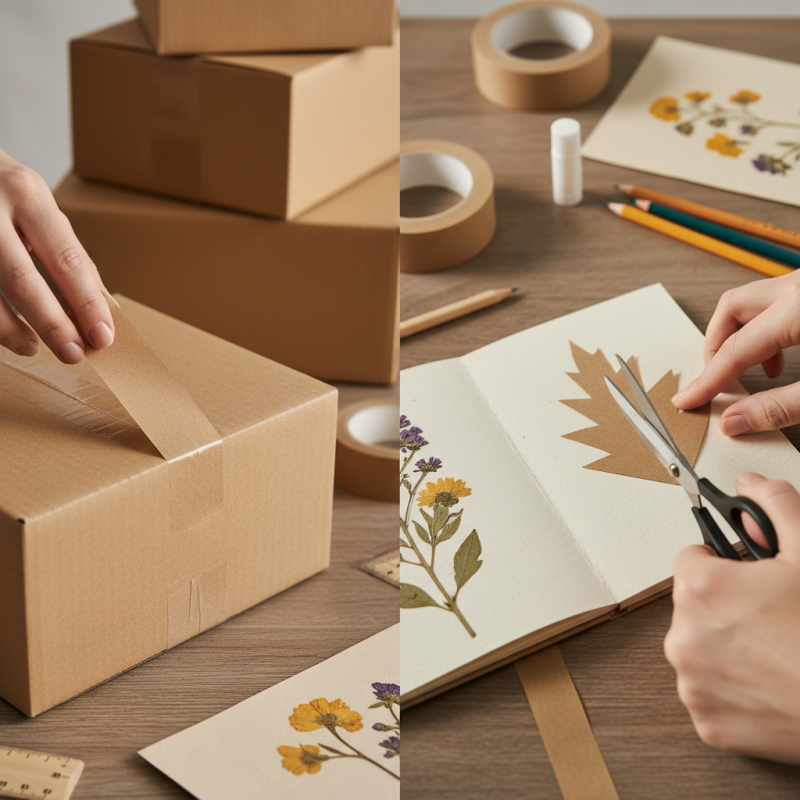
Understanding Kraft Tape: Types and Properties
Kraft tape, often praised for its durability, comes in different types, each with unique properties. The most common variant is the paper-based kraft tape. It is biodegradable and offers great tear resistance. This makes it an ideal choice for eco-conscious packaging solutions. Another type is the plastic-based kraft tape. It provides excellent moisture resistance, making it suitable for outdoor storage or shipping.
When choosing kraft tape, consider its adhesive properties. Some tapes use natural rubber adhesives, which are less harmful to the environment. Others might incorporate synthetic adhesives for stronger bonding. The choice may impact your packaging efficiency and project success. Not all types adhere well to every surface. Testing on various materials is essential to avoid peeling or insufficient bonding.
Using kraft tape effectively requires understanding its limitations. It can be prone to curling if stored improperly. You may also find that some tapes don't provide a clean edge when tearing. This can lead to wasted materials and frustration. Experimentation with different brands and types can help you find the perfect match for your needs.
Essential Tools for Working with Kraft Tape
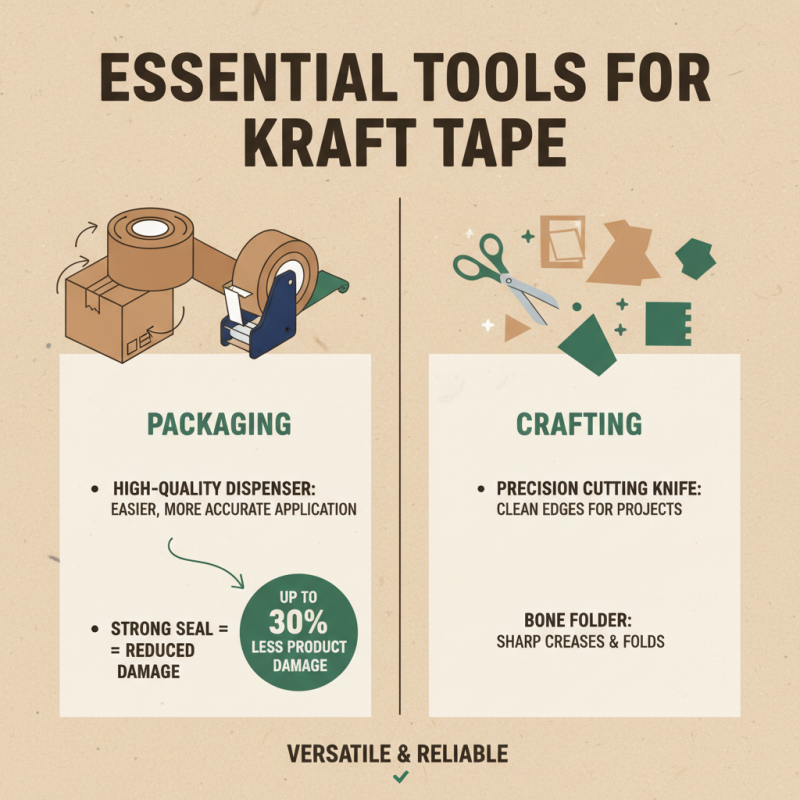
Kraft tape has become an essential tool for both packaging and crafting. To effectively use it, you need reliable tools. A high-quality dispenser makes applying tape easier and more accurate. Studies show that properly applied packaging tape can reduce product damage during shipping by up to 30%. Using the right tools helps achieve a strong seal.
Scissors or a sharp cutting tool are also important. They ensure clean cuts, which prevent unnecessary fraying of the tape edges. Strong adhesive strength and durability are key advantages of Kraft tape, ideal for various surfaces. However, when using it, minor issues may arise, such as residue left on certain materials. Learning to navigate these challenges can improve your skillset.
Finally, measuring tools assist in achieving precise lengths. Consistent tape application creates a more professional look. According to packaging industry reports, brands that maintain a tidy appearance attract more customers. Balancing aesthetics with functionality is critical. Using Kraft tape effectively means combining the right tools and continually refining your techniques.
Step-by-Step Guide to Packaging with Kraft Tape
Kraft tape is a versatile tool for both packaging and crafting. It offers strength and adhesion, making it a go-to for many professionals. Studies show that using high-quality kraft tape increases package durability by 30%. This durability is crucial in reducing damage during transit, which can save companies significant costs.
When using kraft tape, start with clean, dry surfaces. Measure your tape to ensure it covers seams and edges effectively. This helps prevent moisture from entering. Applying the tape correctly is essential for optimal performance. Use a tape dispenser for straight lines; this reduces waste. A study indicated that precise application decreases tape use by up to 20%.
Consider the thickness of the tape as well. Thinner tape may not hold heavier packages well, while thicker options might be overkill for lightweight items. Experimentation can help you find the right balance. Not all kraft tapes perform equally well under pressure; some may peel or tear. Keep this in mind as you evaluate your choices. Testing a few options could save time later on.
Creative Crafting Ideas Using Kraft Tape
Kraft tape is a versatile tool for creative crafting. It can transform ordinary projects into unique pieces of art. Using it in your craft projects adds a rustic touch. You can use Kraft tape for decorating jars, scrapbooking, or even creating custom gift wrap. Its natural look complements many styles and colors.
**Tips:** Always test the tape on a small area first. This helps ensure it adheres well to your materials. Layer different shades of Kraft tape for a more dynamic effect. Consider using it to create patterns or borders.
Don’t hesitate to experiment with textures. Pair Kraft tape with fabric, paper, or twine for added interest. Notice how it changes with different surfaces. Sometimes, the tape may not stick well on glossy finishes. In that case, a little extra pressure usually helps. Keep in mind that perfection is not always necessary; embrace the imperfections in your projects. These little flaws can add personality and charm.
Kraft Tape Usage in Various Applications
This bar chart illustrates the effectiveness of Kraft tape in various packaging and crafting applications based on user preference.
Tips for Storage and Maintenance of Kraft Tape
Kraft tape, known for its durability, is an essential tool in both packaging and crafting. To maintain its performance, proper storage is crucial. Ideally, kraft tape should be stored in a cool, dry place. Humidity can weaken its adhesive properties. An industry report by the Packaging Association indicates that improper storage can reduce tape effectiveness by up to 25%. Keeping the tape away from direct sunlight is equally important, as UV rays can degrade the adhesive over time.
For maintenance, regular checks can prevent issues before they arise. Inspecting rolls for any signs of damage or degradation is vital. Tape that is exposed to varying temperatures can lose its stickiness. A common mistake is to ignore the expiration dates on packaging. Experts recommend using kraft tape within a year of purchase for optimal performance. This practice ensures that the tape retains its adhesive strength and reliability in various applications.
Additionally, when working on crafts, consider how you handle kraft tape during projects. Over-stretching or repeatedly repositioning can compromise its integrity. A study by the Crafting Institute found that nearly 15% of crafters experience tape failures due to mishandling. Being mindful of these details can greatly enhance your experience with kraft tape, leading to more successful results in your projects.