2026 Top Industrial Tape Types for Global Buyers
Choosing the right industrial tape is rarely a simple purchasing decision. Global buyers must consider substrate, temperature, humidity, load, surface energy, and application speed. A tape that performs well on clean steel may fail on dusty concrete or low-energy plastic.
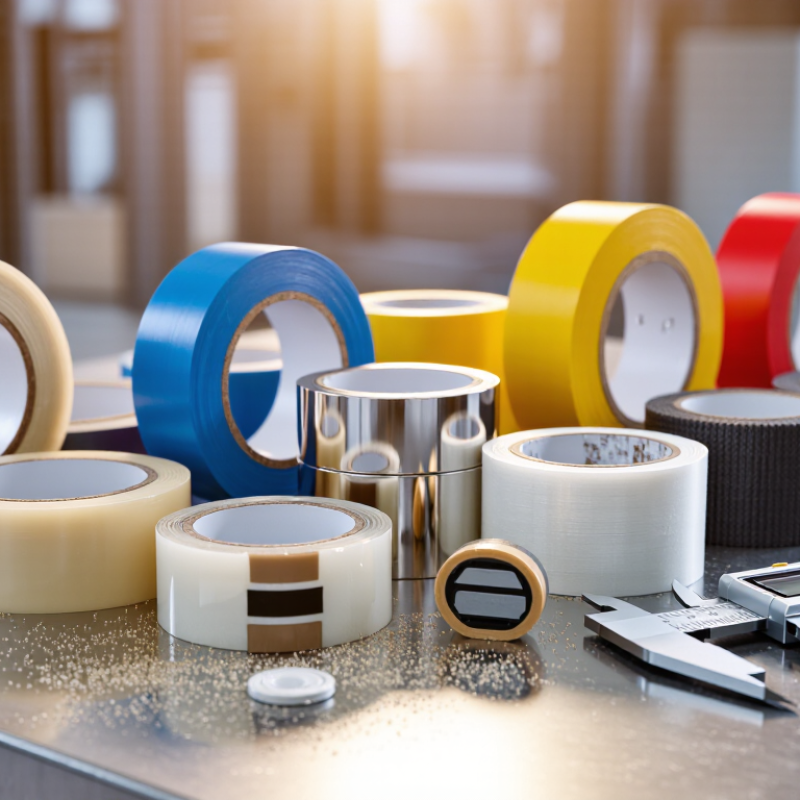
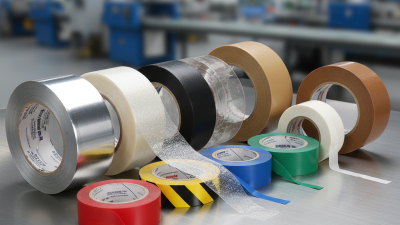
This guide examines the 2026 industrial tape market through practical product categories. These include pressure-sensitive, double-sided, masking, electrical, foil, filament, anti-slip, and high-bond tapes. Each type solves a different production problem. Some support assembly. Others protect surfaces, seal joints, insulate components, or reduce mechanical fasteners.
Dr. Donatas Satas, a respected authority on pressure-sensitive adhesives, stated, “A pressure-sensitive adhesive must balance adhesion and cohesion.” That principle still matters on modern production lines. Strong initial tack is useful, but it cannot replace shear strength, clean removal, or aging resistance.
Look closely at the details.
A reliable comparison should include peel adhesion, holding power, tensile strength, temperature range, and liner performance. ASTM-based testing can improve confidence, but laboratory results never represent every factory condition. Dust, humidity, operator technique, and storage time can change outcomes.
This article also recognizes an uncomfortable reality: no tape is universally best. Buyers sometimes choose premium products when a simpler option would work. Others select low-cost rolls and later face residue, lifting edges, or line stoppages. The better decision begins with the actual application, not the product label.
Expect practical guidance, technical judgment, and a few necessary cautions for international sourcing.
Industrial Tape Fundamentals and Core Performance Requirements
Industrial tape selection starts with fundamentals, not color or price. A tape combines a backing, adhesive, release liner, and surface interface. Each part affects bonding, handling, and service life. The adhesive must wet the surface, develop contact, and resist peeling or sliding. Clean steel is easier than dusty plastic. Temperature changes make the difference visible.
Market data shows why this knowledge matters. Grand View Research estimated the global pressure-sensitive tapes market at about USD 77 billion in 2023, with continued growth through 2030. The report links demand to packaging, construction, transportation, and electronics. However, market growth does not guarantee correct performance. ASTM D3330 measures peel adhesion, while ASTM D3654 evaluates holding power under sustained load. These tests reveal different weaknesses. A tape with strong initial tack may still creep overnight. Perfect performance is rare.
Tips: Test the actual substrate, not a smooth laboratory panel. Record surface energy, temperature, load, dwell time, and removal condition. For outdoor use, check moisture, ultraviolet exposure, and thermal cycling. A 24-hour trial is useful, but sometimes insufficient. Smithers’ recent pressure-sensitive tape analysis highlights rising demand for thinner, higher-performance constructions. That trend can reduce material use, yet thinner does not always mean stronger. Review the failure mode carefully: edge lift, adhesive transfer, liner tearing, or cohesive splitting. Experienced buyers should request test results and repeat them under field conditions.
The chart compares common industrial tape constructions against five core performance requirements. Scores use a representative 1–5 performance index based on typical material characteristics and industrial applications; actual results vary with adhesive chemistry, backing thickness, temperature, surface condition, and product design.
Major Industrial Tape Types and Their Functional Differences
Industrial tape selection depends on function, not appearance. A pressure-sensitive tape bonds under pressure without curing. Double-coated versions join two surfaces, while transfer tapes leave adhesive without a carrier. Foam tapes absorb vibration and bridge small gaps. Filament and strapping tapes resist pulling forces during bundling and transport.
Electrical tapes prioritize insulation, flexibility, and controlled flame performance. Foil tapes manage heat, light, and vapor movement, especially around ducts and insulation. Masking tapes support clean removal and sharp paint edges. Duct tapes offer strong hand tear and surface conformity, but they may fail under prolonged heat or outdoor exposure. Grand View Research reported that the global industrial tapes market reached about USD 59 billion in 2023, with continued growth expected through 2030. The report links demand to manufacturing, construction, and transportation applications.
Testing should match the actual failure risk. ASTM D3330 helps compare peel adhesion, while ASTM D3654 evaluates holding power under shear. ASTM D1000 is often referenced for electrical tape performance. In production audits, operators should check surface energy, temperature, dust, and application pressure. A strong tape on a contaminated surface is still a weak joint. A perfect tape rarely exists. I would not select by adhesion alone; aging, removability, thickness, and substrate compatibility can matter more. Market forecasts are useful, but real conditions remain less predictable.
Material, Adhesive, and Backing Selection Criteria
2026 Top Industrial Tape Types for Global Buyers
Material, Adhesive, and Backing Selection Criteria
Industrial tape selection starts with the materials being joined. Polypropylene, polyester, aluminum foil, foam, and cloth each behave differently under pressure. A smooth metal panel may need a different adhesive than a dusty cardboard surface. Check surface energy, texture, moisture, and temperature before comparing product prices.
Adhesive choice controls holding power and removal behavior. Acrylic adhesives usually support outdoor exposure, ultraviolet light, and aging. Rubber-based adhesives often provide quick grab on many common surfaces. Silicone adhesives can perform better on difficult, heat-sensitive materials. These are general patterns, not guarantees. I have seen strong tapes fail because installers skipped cleaning or applied too little pressure.
Backing selection also matters during transport and production. Film backings resist moisture and tearing, while paper backings support clean handling and easy writing. Foam backings can absorb vibration and bridge small gaps. For global purchasing, request technical data, batch traceability, and test results at the intended temperature range. Ask for samples. Test them after humidity exposure, bending, and repeated handling. A laboratory result may not match a cold warehouse or a rough assembly line. That gap deserves attention. Manufacturers and buyers should also confirm storage life, packaging conditions, and application instructions before approving a tape for regular use.
Application-Based Tape Choices Across Global Industries
Industrial tape selection in 2026 depends less on product labels and more on the working task. Global buyers should examine surface type, load, temperature, moisture, and removal needs before comparing specifications. A tape for painted steel may fail on dusty concrete. That failure is common. Experienced purchasing teams request samples and test them under actual production conditions. They record bond strength, application pressure, dwell time, and aging behavior. Small details often decide whether a tape performs reliably.
For joining lightweight panels, double-sided foam tape can absorb minor surface unevenness and reduce visible fasteners. Reinforced tapes suit bundling, pallet stabilization, and demanding transport routes. Electrical insulation requires controlled dielectric performance and stable adhesion across temperature changes. In construction, weather-resistant sealing tape must tolerate rain, ultraviolet exposure, and movement between materials. Packaging operations may favor easy-tear or low-noise options when worker comfort and speed matter. The best choice follows the application, not a generic “strongest” claim.
Medical, automotive, electronics, and renewable-energy projects need tighter process control. Buyers should verify backing material, adhesive chemistry, liner handling, storage limits, and compliance documents. Regional climate can change results; a humid warehouse is not a laboratory. Field teams sometimes find excellent specifications undermined by poor surface preparation. That lesson deserves attention. Pilot trials, lot traceability, and supplier technical support improve confidence, but they do not replace independent testing. Some projects require compromise between adhesion, removability, cost, and recyclability. There is no perfect tape for every industry.
| Tape Type | Primary Adhesive | Typical Backing or Carrier | Best-Fit Applications | Common Substrates | Typical Temperature Range | Key Performance Advantages | Important Limitations | Typical Thickness Range | Buyer Evaluation Priority |
|---|---|---|---|---|---|---|---|---|---|
| Double-Sided Acrylic Foam Tape | Pressure-sensitive acrylic | Closed-cell acrylic foam | Exterior trim attachment, emblems, architectural panels, signage, and transportation components | Painted metal, glass, coated plastics, composites, and selected low-surface-energy plastics | -40°C to 120°C; some grades tolerate short-term exposure near 150°C | High conformability, stress distribution, weather resistance, and reduced need for mechanical fasteners | Requires clean, dry surfaces; bond development can be slower in cold conditions; poor fit for heavily contaminated surfaces | 0.4–2.0 mm | Surface energy and load design |
| Double-Sided Polyester Tape | Acrylic or synthetic rubber | Polyester film with tissue, nonwoven, or film reinforcement | Die-cutting, nameplates, membrane bonding, electronics assembly, and general industrial mounting | Metal, glass, paper, plastics, painted surfaces, and printed materials | Approximately -20°C to 120°C, depending on adhesive chemistry | Good dimensional stability, clean converting, thin bond lines, and balanced shear performance | Less capable of filling large surface irregularities than foam tapes; rubber grades may age faster outdoors | 0.05–0.25 mm | Precision and converting performance |
| Double-Sided Tissue Tape | Water-based acrylic, solvent acrylic, or synthetic rubber | Paper or nonwoven tissue | Paper converting, envelope production, temporary mounting, labels, and lightweight assembly | Paper, cardboard, fabric, foam, plastics, and lightly textured surfaces | Approximately -10°C to 80°C, depending on grade | Easy hand tearing, economical construction, good initial tack, and broad converting compatibility | Lower moisture and dimensional stability than film carriers; not usually intended for demanding exterior loads | 0.07–0.20 mm | Cost and initial tack |
| Single-Sided Duct Tape | Synthetic rubber or hot-melt rubber | Polyethylene-coated woven fabric | Temporary sealing, bundling, maintenance, HVAC work, protection, and repair operations | Metal, plastic, glass, wood, fabric, and rough construction surfaces | Approximately -10°C to 80°C; service life varies considerably by formulation | High conformability, quick tack, hand tearability, and good short-term holding power | Adhesive residue, limited long-term UV resistance for many grades, and possible plasticizer migration | 0.12–0.30 mm | Short-term versatility |
| Aluminum Foil Tape | Acrylic or synthetic rubber | Dead-soft aluminum foil, often with a liner | HVAC insulation joints, vapor barriers, heat reflection, shielding, and thermal system maintenance | Metal ducting, rigid insulation, foil-faced boards, glass, and selected plastics | Approximately -30°C to 120°C; specialized grades may operate at higher temperatures | Reflects radiant heat, resists moisture, provides a vapor barrier, and can offer electrical shielding | Foil can wrinkle or tear during application; sharp edges require handling care; surface preparation remains important | 0.05–0.15 mm | Barrier and thermal requirements |
| PTFE-Coated Glass Cloth Tape | Silicone | PTFE-coated fiberglass fabric | Heat sealing equipment, packaging machinery, release surfaces, sliding guides, and electrical insulation | Metal, coated machinery parts, heating bars, and high-temperature equipment surfaces | Approximately -73°C to 260°C | Low friction, non-stick surface, chemical resistance, dimensional stability, and high-temperature performance | Higher cost; silicone adhesive has lower adhesion to some surfaces than acrylic or rubber systems | 0.08–0.25 mm | Temperature and release performance |
| Polyimide Film Tape | Silicone or high-temperature acrylic | Polyimide film | Printed circuit board masking, soldering and reflow processes, coil insulation, and high-temperature electrical work | Polyimide, copper, aluminum, solder-mask surfaces, and selected engineering plastics | Approximately -73°C to 260°C; short exposure limits depend on adhesive and process conditions | High dielectric strength, low shrinkage, clean removal, and resistance to many process chemicals | Not designed for rough-surface gap filling; silicone residue or adhesion differences may matter in sensitive assemblies | 0.05–0.10 mm | Process temperature and clean removal |
| Electrical PVC Tape | Pressure-sensitive rubber | Plasticized PVC film | Wire insulation, cable bundling, color coding, low-voltage electrical maintenance, and general protection | Cable jackets, wire insulation, metal, plastic, and rubber | Approximately -18°C to 80°C for common grades | Flexible, conformable, easy to stretch, moisture resistant, and available in multiple colors | Temperature and aging performance vary by formulation; plasticizer migration can affect some materials | 0.13–0.20 mm | Electrical rating and aging resistance |
| Filament-Reinforced Strapping Tape | Synthetic rubber or acrylic | Glass yarn reinforcement in a polypropylene or polyester film carrier | Pallet stabilization, carton closure, appliance packaging, bundling, and load securing | Corrugated fiberboard, wood, plastic, metal, and coated packaging surfaces | Approximately -20°C to 60°C | High tensile strength, low elongation, strong bundling capability, and efficient material use | Primarily a reinforcement and bundling product; fiberglass strands may require appropriate cutting and handling | 0.10–0.18 mm | Tensile strength and load security |
| Masking Tape for Industrial Finishing | Rubber-based or acrylic | Crepe paper | Painting, powder coating preparation, surface protection, splicing, and temporary marking | Painted metal, glass, wood, plastic, and finished panels | Approximately 60°C to 150°C, depending on grade and dwell time | Controlled adhesion, clean edge formation, conformability, and removable temporary protection | Outdoor exposure and long dwell times can increase residue or edge bleed; performance depends on paint cure | 0.08–0.15 mm | Clean removal and temperature exposure |
| Floor Marking and Safety Tape | Acrylic or rubber | PVC film, polyester film, or textured polymer | Warehouse aisles, pedestrian routes, hazard zones, stair edges, and industrial identification | Sealed concrete, epoxy floors, painted floors, metal, and smooth industrial surfaces | Approximately -20°C to 80°C | High visibility, abrasion resistance, fast installation, and clear visual zoning | Requires a clean, dry, adequately cured floor; textured or dusty surfaces can reduce service life | 0.10–0.80 mm | Abrasion resistance and floor compatibility |
| Anti-Slip Safety Tape | Pressure-sensitive acrylic or rubber | Mineral-grit surface on polyester or polymer backing | Stairs, ramps, platforms, ladders, walkways, and wet-area access points | Metal, painted steel, concrete, wood, fiberglass, and selected plastics | Approximately -20°C to 80°C | High traction, visual identification, and improved pedestrian safety on suitable surfaces | Surface must be structurally sound and clean; unsuitable for loose, oily, heavily textured, or continuously submerged surfaces | 0.60–1.00 mm | Slip resistance and installation durability |
| Medical and Skin-Safe Fabric Tape | Medical-grade acrylic or rubber adhesive | Nonwoven fabric, rayon, polyester, or paper | Dressing fixation, tubing securement, light medical device attachment, and skin protection | Human skin, medical dressings, tubing, and selected device materials | Typically 5°C to 40°C during application and use, subject to validated product requirements | Conformability, breathability for selected constructions, controlled adhesion, and hand tearability | Requires biocompatibility and skin-sensitivity validation; moisture, perspiration, and wear time affect performance | 0.10–0.25 mm | Biocompatibility and skin comfort |
| Self-Fusing Silicone Rubber Tape | Self-amalgamating silicone; no conventional pressure-sensitive adhesive | Stretchable silicone rubber | Cable repair, electrical sealing, hose protection, emergency plumbing repair, and moisture insulation | Cable jackets, rubber hoses, metal pipes, plastics, and irregular shapes | Approximately -50°C to 200°C, depending on construction | Forms a water-resistant seal, conforms to irregular profiles, and provides electrical insulation without adhesive residue | Needs controlled overlap and stretch; generally not intended for permanent structural bonding or high-load mounting | 0.50–0.80 mm | Sealing and electrical insulation |
| Protective Surface Film Tape | Low-tack acrylic or rubber adhesive | Polyethylene or polypropylene film | Temporary protection of metal sheets, profiles, glass, plastics, appliances, and finished panels | Stainless steel, aluminum, painted metal, glass, laminate, and polished plastics | Approximately -20°C to 60°C; outdoor exposure depends on UV-stabilized construction | Reduces scratches, dust, handling marks, and minor abrasion during processing and transport | Adhesion can increase with heat or extended dwell time; compatibility testing is essential on sensitive finishes | 0.03–0.10 mm | Clean removability and surface compatibility |

Sourcing, Quality Standards, and Purchasing Considerations for 2026
Global buyers entering 2026 should match tape construction to the application, not simply choose the highest advertised adhesion. Acrylic adhesive suits outdoor exposure and temperature changes. Rubber-based tape often offers quick grab on cartons and rough surfaces. Silicone tape performs better around heat, low-energy materials, and demanding release conditions. Double-sided, filament, aluminum foil, masking, and anti-slip tapes each need different testing.
Reliable sourcing begins with a clear technical specification. Define backing material, thickness, peel adhesion, shear strength, temperature range, unwind force, and expected service life. Ask suppliers for recent test reports, batch traceability, safety data, and certificates related to applicable ISO or ASTM methods. Where required, request documentation for chemical restrictions and regional product rules. Samples can mislead. Test them on the actual substrate, under realistic humidity, pressure, storage time, and temperature.
Purchasing teams should compare total cost, not only the roll price. A low-cost tape may create rework, residue, damaged surfaces, or slower application. Confirm roll dimensions, core size, packaging, pallet limits, lead time, minimum order quantity, and replacement procedures. One practical mistake is approving samples before checking production consistency. We have seen excellent trial rolls followed by uneven coating or weak edges. That possibility deserves attention. Details matter. A written quality agreement, incoming inspection plan, and retained reference samples can reduce surprises across international shipments.
Related Posts
-
China Top 10 Industrial Tape Brands You Should Know?
-
10 Tips for Choosing the Best Branded Packaging Tape for Your Business
-
Top 10 Benefits of Using Printed Packaging Tape for Your Business
-
How to Use Kraft Tape for Effective Packaging and Crafting?
-
2026 Top Package Sealing Tape Types for Global Buyers
-
Why Use Sealing Tape for Effective Insulation and Protection?