What Is Banding Tape and Which Type Should You Buy?

Banding tape looks simple, but its performance depends on adhesive chemistry, film strength, and application pressure. It gathers cartons, printed materials, cables, and retail products without bulky plastic straps. The wrong roll can wrinkle, split, leave residue, or loosen during transport. Small details matter.

Packaging consultant Sterling Anthony has often emphasized a practical principle: “Packaging must protect the product, support handling, and communicate value.” That idea fits banding tape well. A paper-based tape may suit lightweight bundles and sustainability goals. Polypropylene tape offers flexibility and clean machine running. Polyester provides greater strength when bundles face tension or vibration. Acrylic adhesives usually resist aging and temperature changes. Hot-melt adhesives often deliver quick, strong initial bonding.

Your choice should match the product surface, bundle weight, equipment, and storage environment. Test the tape on real cartons, not only a smooth sample board. Press it firmly, leave it overnight, and check the edges. Then pull the bundle by hand. It is an imperfect test, but it reveals weak adhesion quickly.

Width and thickness also deserve attention. Narrow tape may cut into soft packaging. Wide tape can waste material and slow production. Some products need printed banding tape for branding or tamper visibility. Others need a low-residue option for delicate surfaces. Recycling claims require careful checking, because tape and packaging materials may need separate processing. A supplier’s technical data sheet is useful, but actual trials remain essential. There is no universal best roll. The reliable choice is the one that performs consistently in your own workflow.
What Is Banding Tape and Which Type Should You Buy?

What Is Banding Tape and How Does It Work?

Banding tape, often called edge-banding tape, covers the exposed edges of panels and boards. It works by bonding a narrow strip to the substrate, then trimming the excess flush. Some rolls have pre-applied adhesive. Others require hot-melt glue or heat activation. The heat softens the adhesive, while pressure helps it wet the board surface. Cooling creates the bond.

Material choice matters. PVC is economical and easy to machine. ABS usually offers better impact resistance and a cleaner furniture finish. Veneer provides a natural appearance, but it needs sealing against moisture. Melamine is affordable, though its paper structure can chip during trimming.

Choose the tape thickness to match the panel edge. Thin tape suits light cabinetry. Thicker tape protects busy work surfaces.

A 2024 Grand View Research report valued the global pressure-sensitive tapes market at more than 60 billion dollars in 2023. It also identified construction, packaging, and manufacturing as major demand sectors. Those figures cover many tape products, not only edge banding. That distinction matters. The report cannot predict performance on your specific board.

In workshop testing, I check adhesion after 24 hours and inspect corners under side lighting. Dust, low temperature, and excessive glue can weaken the result. My first choice is often ABS for durable indoor furniture, but that rule is not perfect. High humidity may require a sealed veneer or a more moisture-resistant polymer. A small sample test is still wiser than trusting a product label alone.

Which Materials and Designs Are Used in Banding Tape?

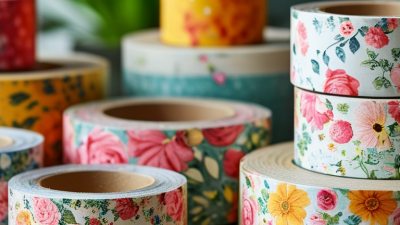
Banding tape is made from different materials, and each one behaves differently under pressure. Paper-based tape suits light bundles and recyclable packaging. It feels easy to tear but may weaken with moisture. Polypropylene tape offers a practical balance of flexibility, strength, and cost. Polyester tape handles tighter loads and sharper edges. It is less forgiving during hand application. Cloth-backed tape provides grip and conforms around uneven objects.

The adhesive layer also changes performance. Acrylic adhesive usually tolerates temperature changes well and leaves a cleaner bond on smooth surfaces. Rubber-based adhesive grips quickly, even when the surface is slightly rough. That quick grip can become a problem if repositioning is needed. Some tapes use reinforced fibers, embossed textures, or printed surfaces. These designs improve tear resistance, visibility, or bundle identification. Smooth tape slides easily through dispensers. Textured tape stays steadier against cardboard and plastic.

Choose paper tape for short-term, light-duty bundling in dry areas. Choose polypropylene for everyday boxes, cables, or grouped supplies. Polyester works better when bundles face tension, vibration, or transport movement. For curved items, a flexible cloth design may be easier to wrap. Measure the bundle before buying. A narrow roll can cut into soft material, while an overly wide roll wastes tape. I have found that adhesive compatibility is often overlooked. Test one strip first, especially on painted, dusty, or recycled surfaces. No material is perfect. Temperature and storage conditions can change the result.

What Are the Main Applications of Banding Tape?

Banding tape secures cartons, bundles, pipes, panels, and irregular loads during storage or transit. Its main job is restraint, not decoration. In warehouse work, operators use polypropylene tape for light cartons and recyclable paper bundles. Polyester banding suits heavier loads because it resists elongation and keeps tension longer. Filament-reinforced tape handles awkward shapes, such as several narrow tubes packed together.

The application changes the buying decision. For carton consolidation, choose tape with balanced tensile strength and clean hand application. For pallet stabilization, use stronger banding with better resistance to abrasion and temperature changes. A tape that works indoors may fail beside a loading dock. Moisture matters too.

The U.S. Environmental Protection Agency reported 82.2 million tons of containers and packaging in municipal waste during 2018, equal to 28.1% of total generation. That figure explains why material reduction and secure packaging must be considered together.

Banding tape also supports temporary bundling in furniture, construction, printing, and agricultural supply handling. Paper-based options may fit short-term bundling, but they can weaken in humid conditions. Plastic options often perform better outdoors, yet disposal becomes less straightforward.

The Smithers packaging outlook identifies sustainability and transport efficiency as major market pressures through 2028. Buyers should test actual loads, not trust tensile strength alone.

I have seen narrow bundles shift when the tape gripped only smooth surfaces. That was a small mistake, but an expensive one. Erot...?

How Do Different Banding Tape Types Compare?

What Is Banding Tape and Which Type Should You Buy?

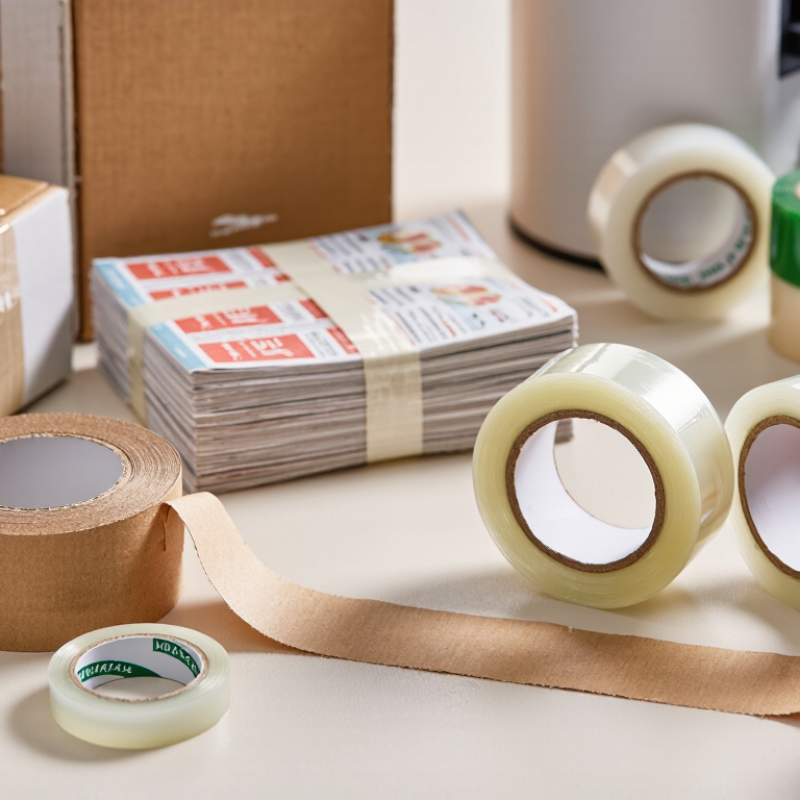
Banding tape secures folded cartons, printed materials, cables, and small product groups without adding a bulky box. The best choice depends on load weight, surface texture, machine speed, and disposal requirements. Paper banding tape suits lightweight bundles and gives a clean, natural appearance. Plastic film tape usually offers higher stretch resistance and better performance around damp storage areas. It depends.

Adhesive chemistry changes the result. Hot-melt adhesives grip quickly and work well on corrugated surfaces, while acrylic adhesives usually tolerate heat, light, and aging better. Solvent-based adhesives can provide strong bonding, but they may cost more and require careful process control.

A Grand View Research market report valued the global adhesive tapes market at approximately 85 billion dollars in 2023, showing the scale of demand, although this figure includes many tape categories beyond banding tape.

That limitation matters.

For manual packing, choose a tape that tears cleanly and does not curl around the fingers. Automatic equipment needs consistent thickness, stable roll tension, and predictable release. Test it. Place filled bundles under vibration and compression before approving a specification. ISTA transport-testing guidance can help structure those trials.

Paper is not automatically the greener option; coatings, inks, and adhesive residues can affect recycling. Plastic is not automatically stronger either. In practical trials, a narrower tape may fail on rough cardboard, while a wider tape can waste material. I would compare total material use, failure rates, and operator handling, not appearance alone.

How Can You Choose the Right Banding Tape for Your Needs?

Choosing banding tape starts with the load, not the tape dispenser. Check the package weight, edge sharpness, surface texture, and storage temperature. A light carton may need polypropylene tape, which is economical and flexible. Heavier pallets often require polyester tape because it offers higher tension retention and better resistance to stretching. Steel banding remains suitable for severe loads, but it needs careful handling and compatible tools.

Check the load first.

Industry data supports a practical approach. Smithers’ The Future of Packaging: 2028 identifies transport efficiency and material reduction as major packaging priorities. This makes thinner, stronger banding attractive when it still protects the shipment. The Packaging Machinery Manufacturers Institute also reports continued automation investment in packaging operations, so machine compatibility matters more than many buyers expect. Test the tape with your actual tension settings, corners, and warehouse conditions.

Do not choose by tensile strength alone. Compare elongation, break strength, seal performance, and resistance to moisture. For recyclable packaging programs, check whether the tape can be separated from the main material without disrupting local recycling processes. ASTM D3950 provides a useful specification reference for nonmetallic strapping, but laboratory performance does not always match field conditions. I have seen a strong tape fail when sharp carton edges cut into it. A wider tape, corner protection, or lower tension may work better. The right choice is the one that holds securely without crushing the package.