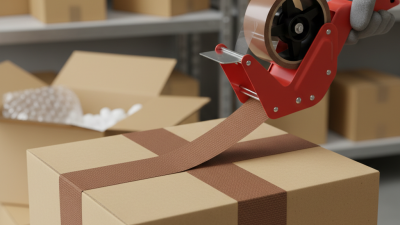
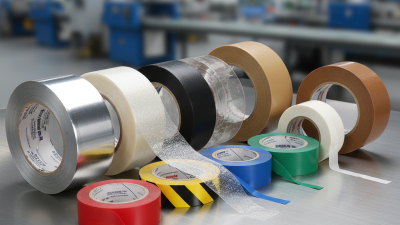
What is Industrial Packaging Tape and How is it Used?
Industrial packaging tape is an essential component in various sectors, including manufacturing and logistics. According to a report by MarketsandMarkets, the global packaging tape market is projected to reach $11.8 billion by 2026, growing at a CAGR of 4.5%. This growth reflects the increasing demand for efficient and reliable packing solutions. Industrial packaging tape plays a critical role in ensuring product safety during transportation and storage.
These tapes come in various materials, including polypropylene and paper, and serve multiple applications. They are designed to withstand different atmospheric conditions, providing secure adhesion on diverse surfaces. For instance, 3M, a leader in adhesive technologies, has noted that strong tape can minimize product damage and reduce shipping costs. However, it’s vital to choose the right type of tape for specific needs to avoid failures.
Despite the advancements, challenges remain. Not all industrial packaging tapes provide the same level of durability and performance. Businesses must be cautious in selection and testing to ensure reliability. A mismatch between tape and packaging can lead to product loss and increased expenses. Thus, understanding the specifications and applications of industrial packaging tape is crucial in today's competitive market.
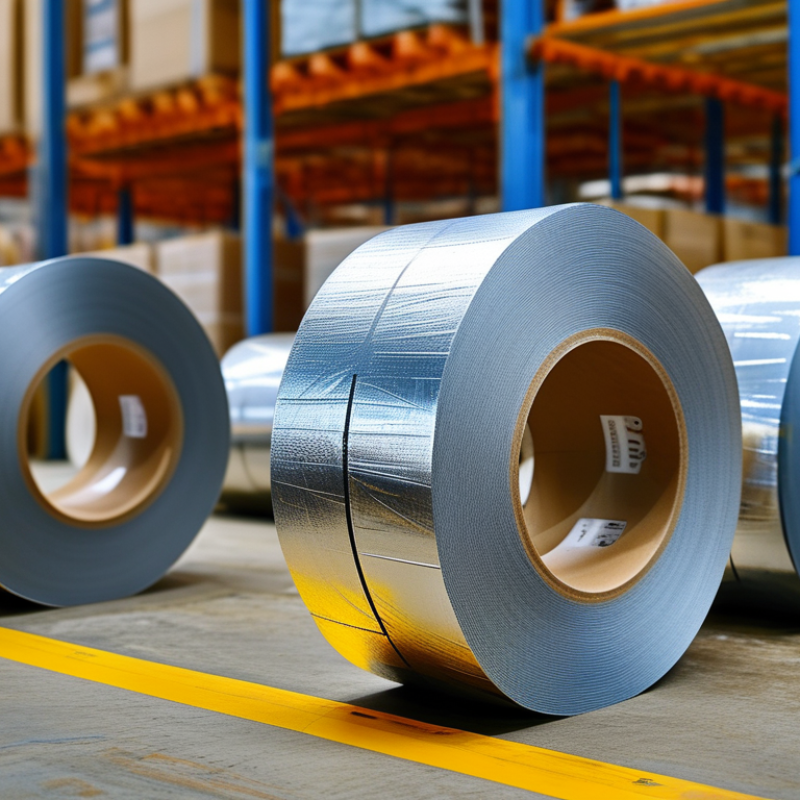
What is Industrial Packaging Tape? Definition and Types
Industrial packaging tape plays a crucial role in various industries. It is designed specifically for heavy-duty use, ensuring secure packaging during transit. The main types include acrylic, polypropylene, and vinyl, each offering unique properties suited for different applications. For instance, acrylic tapes are known for their UV resistance, while polypropylene tapes excel in tear resistance.
According to a report from Smithers, the global industrial tape market is projected to reach $73 billion by 2025. This growth highlights the increasing reliance on effective packaging solutions. A significant portion of this tape is used in logistics and manufacturing sectors. Companies often struggle with selecting the right type of tape for specific tasks. Improper tape choice can lead to packaging failures, resulting in damaged goods and increased costs.
Different environments impact tape performance. For example, tapes exposed to extreme temperatures may lose adhesion over time. A field study showed that nearly 30% of packaging errors stem from inadequate tape application. Understanding tape properties and the conditions they face is vital. Each project needs careful consideration to avoid complications down the line.
Key Materials Used in Industrial Packaging Tapes and Their Properties
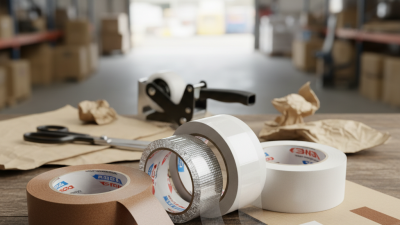
Industrial packaging tapes play a crucial role in securing goods. The choice of materials impacts strength and durability. Common materials include polypropylene, PVC, and paper. Each has unique properties that cater to different needs.
Polypropylene tape is lightweight and cost-effective. It adheres well to various surfaces. Its clarity makes it suitable for packaging that requires visibility. On the other hand, PVC tape offers superior flexibility. It withstands extreme temperatures, making it ideal for industrial settings. Paper tape, though less common, is environmentally friendly. It provides excellent printability for branding.
While these materials serve specific functions, their effectiveness can vary based on usage conditions. Poor adhesion can occur if surfaces are not clean. It's essential to consider the environment where the tape will be used. Humidity and temperature fluctuations may affect performance. Selecting the right tape requires understanding these nuances. A failure to do so can lead to packaging mistakes.
What is Industrial Packaging Tape and How is it Used?
| Material |
Properties |
Common Uses |
Advantages |
| PVC (Polyvinyl Chloride) |
High durability, water-resistant, and good tensile strength |
Sealing boxes, bundling items, and surface protection |
Long-lasting, weather resistant, and versatile |
| PP (Polypropylene) |
Lightweight, high tensile strength, and low elongation |
Packaging lightweight products, sealing cartons |
Cost-effective, excellent for high-speed applications |
| Paper |
Eco-friendly, recyclable, and good for printing |
Wrapping, bundling, and as an eco-friendly alternative |
Biodegradable, easy to write on, and customizable |
| Cloth |
Strong adhesion, tear-resistant, and flexible |
Heavy-duty packaging, repairs, and crafts |
Highly durable, suitable for rough conditions |
| Filament |
Reinforced with fiberglass, high tensile strength |
Securing heavy boxes, bundling large items |
Ideal for heavy-duty applications and high-stress environments |
Applications of Industrial Packaging Tape Across Different Industries
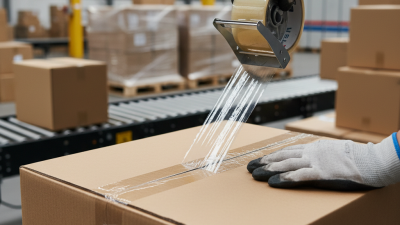
Industrial packaging tape plays a vital role across various sectors. Its versatility makes it an essential tool for many industries. In the logistics sector, for example, sturdy tape secures packages for transport. It prevents damage during shipping, ensuring goods arrive safely. The tape’s ability to withstand varying temperatures is crucial for these applications.
In the manufacturing realm, industrial tape is indispensable. It is used for labeling, bundling, and even masking during production processes. The adhesive quality must be reliable, as any failure could lead to significant setbacks. Construction industries also utilize industrial tape for holding materials together temporarily. This requires strength and durability, which some tapes may lack.
Even the food industry values industrial packaging tape. It is used for sealing boxes that transport products. Hygiene is a critical consideration here, as improper sealing can lead to contamination. However, finding the right tape that meets safety standards can be challenging. This highlights the need for ongoing evaluation and improvement in tape selection processes. Each industry has unique requirements, making it important to continually assess the effectiveness of the chosen materials.
Market Trends and Growth Projections for Industrial Packaging Tapes
The industrial packaging tape market is poised for significant growth in the coming years. A recent report indicates that this market is expected to expand at a compound annual growth rate (CAGR) of approximately 4.5% through 2028. This growth is fueled by various factors, such as increased demand for e-commerce packaging solutions and the rise of automation in manufacturing processes. Companies are investing in advanced packaging technologies, which propels the need for reliable industrial tapes.
In addition to e-commerce, sectors like food and beverage and electronics are driving tape usage. These industries require strong, durable, and reliable packaging solutions to ensure product safety and integrity. A study highlighted that nearly 25% of industrial tape use is concentrated in the food sector alone. However, certain challenges remain. For instance, sustainability issues related to tape materials prompt manufacturers to rethink their sourcing and production practices.
Furthermore, while growth projections are positive, unpredictability in raw material pricing poses a threat. Manufacturers may struggle to maintain margins amid fluctuating costs. Integrating recycled materials into production is one approach to mitigate costs and enhance sustainability. This not only helps address environmental concerns but also appeals to a growing consumer base that values eco-friendliness. As companies navigate these complexities, it is crucial to ensure that packaging solutions meet evolving market demands and maintain quality standards.
Best Practices for Choosing and Using Industrial Packaging Tape
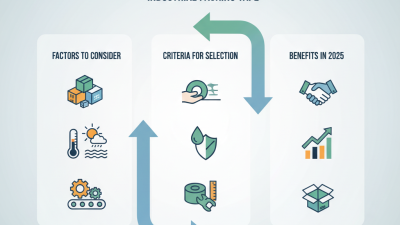
When selecting industrial packaging tape, consider the materials used in production. The strength and durability of the tape directly impact its effectiveness. For example, pressure-sensitive tapes are ideal for quick applications. However, evaluate their adhesion properties for your specific needs.
Tips: Examine the surface you will be taping. Smooth surfaces often allow for better adhesion, while textured surfaces can lead to peeling. Test a small area before proceeding.
Choosing the right width and length is key. Wider tape often provides better coverage, reducing the need for multiple strips. Always measure your items accurately to avoid waste.
Tips: Keep a variety of tape types on hand. This helps you adapt to different packaging demands. Not every job requires the same tape, and having alternatives can enhance efficiency.
Additionally, consider storage conditions. If tape is stored in extreme temperatures, its effectiveness may diminish. Ensure you observe proper storage recommendations for the best results.