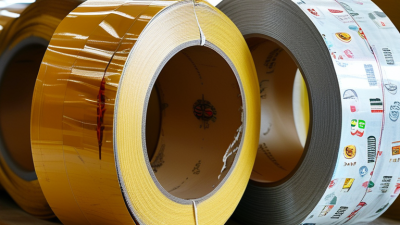
Why Choose Wide Tape for Your Packaging Needs?
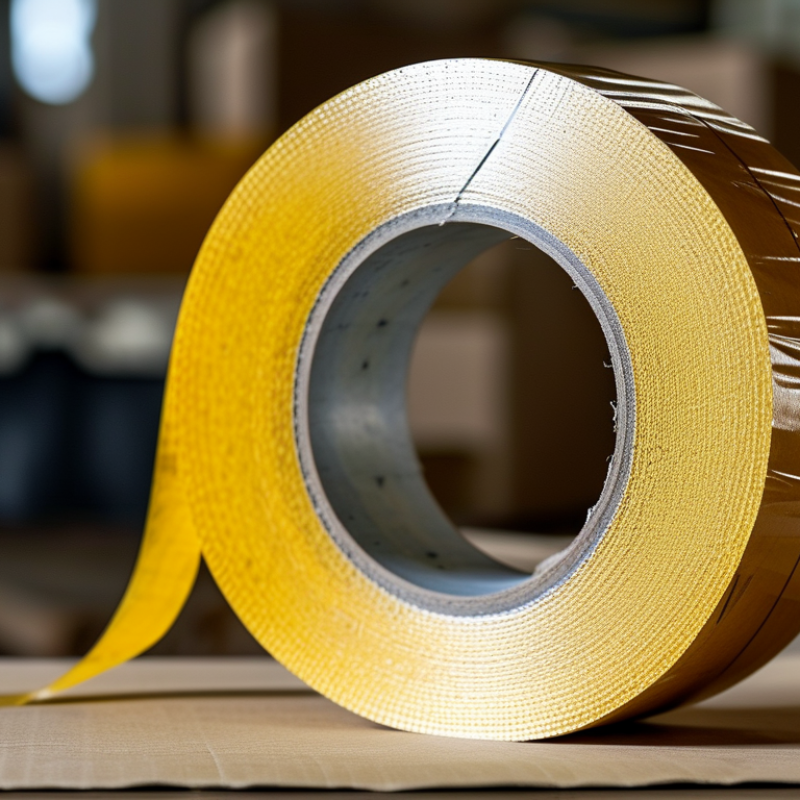
When it comes to packaging, the choice of materials can make a significant difference. Wide tape stands out as a reliable option for various applications. Its width allows for more secure sealing, preventing unwanted openings during transit. In a world where packages often face rough handling, wide tape provides added durability and strength.
Many businesses overlook the advantages of using wide tape. It can simplify the packaging process, reducing the time spent sealing boxes. Moreover, this tape is versatile, suitable for both light and heavy items. The adhesive is formulated to hold strong, ensuring packages remain intact.
However, not everyone understands the true value of wide tape. Some might think cheaper or narrower options suffice. Yet, when faced with the consequences of poorly sealed packages, the importance of quality becomes clear. Investing in wide tape is a choice that reflects a commitment to professionalism and reliability.
Benefits of Using Wide Tape for Packaging
Wide tape has gained popularity in various packaging applications due to its impressive features and benefits. According to industry reports, wide tape can reduce labor costs by approximately 30% as it covers more area with each application. This efficiency is crucial for businesses looking to streamline their operations. Companies that have transitioned to wide tape often report a significant decrease in the time spent sealing packages.
The strong adhesion properties of wide tape are another key benefit. Reports indicate that wide tape can withstand harsh shipping environments, maintaining integrity despite temperature fluctuations and humidity. This durability prevents costly product returns and enhances customer satisfaction. In a competitive market, reliability in packaging is essential. However, while choosing wide tape, companies should reflect on their specific needs and potential drawbacks, such as storage space for larger rolls.
Wide tape also offers versatility across different materials. It adheres well to cardboard, plastic, and even metal surfaces. This adaptability makes it suitable for various packaging tasks, from shipping boxes to securing fragile items. Nonetheless, businesses must ensure their operators are trained in using wide tape, as improper application could compromise its effectiveness. Decisions around packaging should always consider practicality and resource management.
Comparison of Wide Tape vs. Standard Tape
When it comes to packaging, the choice between wide tape and standard tape can significantly impact your operations. Wide tape typically measures two inches or more, providing a broader adhesive surface. This means enhanced stability for larger packages and heavy items. Wide tape is less prone to shredding or breaking during transport. When sealing boxes, the broader coverage ensures a tighter, more secure seal, reducing the risk of tampering and damage.
On the other hand, standard tape, often one inch wide, may suffice for light packaging tasks. However, it may require multiple strips to achieve the same strength that a single strip of wide tape provides. The reliance on standard tape may lead to uneven sealing or potential package failure. Additionally, applying standard tape might take more time, as workers need to make precise placements.
Ultimately, considering the requirements of your packaging needs is essential. Evaluating the costs of potential package damage against the expense of using wide tape could shape your choice. While wide tape may have a higher upfront cost, it often yields better long-term results due to its durability and reliability. The decision should reflect both immediate needs and future packing processes.
Applications of Wide Tape in Various Industries
Wide tape plays a crucial role in various industries due to its versatility and strength. In the shipping sector, it securely seals packages, ensuring goods arrive intact. Wide tape provides excellent adhesion to different surfaces, making it ideal for cardboard boxes and heavy-duty items. This reliability is essential when shipping fragile or valuable products.
In the construction industry, wide tape is often used for bundling materials. It holds items together during transport, reducing the risk of damage. The durability of wide tape withstands various weather conditions, proving useful for outdoor projects. However, the application process can sometimes be tricky. The tape might not adhere well if surfaces are dusty or moist.
In crafting and DIY projects, wide tape helps create strong bonds between materials. Its availability in various colors adds a decorative element to items. Yet, users sometimes overlook the importance of measuring tape properly. Misalignment can lead to wasted tape and time. Ensuring a clean surface before sticking helps achieve better results. Using wide tape can streamline processes across different sectors, but it requires attention to detail for optimal use.
Why Choose Wide Tape for Your Packaging Needs? - Applications of Wide Tape in Various Industries
| Industry |
Application |
Benefits of Wide Tape |
| Retail |
Sealing cartons and packaging products |
Strong adhesion and reliable sealing |
| Manufacturing |
Bundling materials and securing loads |
Durability and resistance to wear |
| Logistics |
Packing and shipping items |
Enhanced security during transit |
| Construction |
Sealing and protecting materials |
Weather-resistant and versatile |
| Food Packaging |
Sealing food products |
Safe for food contact and tamper-evident |
| Electronics |
Packing sensitive electronic components |
Static-free and moisture-resistant |
Factors to Consider When Choosing Wide Tape
When it comes to packaging, choosing the right tape is crucial. Wide tape offers several advantages. First, it provides excellent adhesion and durability. This is essential for securing packages during transport. A strong tape reduces the risk of your items shifting or getting damaged.
Consider the width of the tape as an important factor. Wider tape can cover more surface area. This leads to better sealing of boxes and parcels. However, one should also think about the weight of the tape. Sometimes, a heavier tape may be harder to work with. Watch out for inadequate handling procedures that could waste time and materials.
Another aspect to reflect on is the tape's material. Some are made from plastic while others use paper. Each material has its own benefits. Plastic tape is often more resilient, but paper tape can be more eco-friendly. Assessing your specific needs can help you find the right balance. Think about the environment too. Using recyclable materials can be a crucial consideration for many companies today.
Best Practices for Applying Wide Tape Efficiently
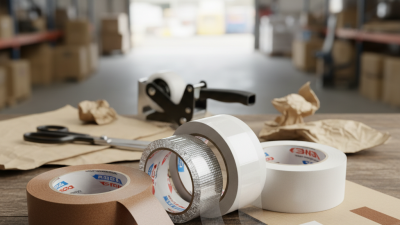
When applying wide tape, preparation is key. Ensure that surfaces are clean and dry. Dust or moisture can reduce adhesion. Cut the tape to the desired length beforehand. This helps avoid awkward fumbling when you apply it to your package. Consider using a tape dispenser for a straight, even application. This tool can save time and prevent waste.
Be mindful of tape tension when applying it. Too much tension can cause the tape to tear or lose its stickiness. Apply the tape firmly but not excessively. You want it to adhere well without compromising its quality. Testing different widths in various situations can lead to better results. There’s no one-size-fits-all solution.
Reflecting on past experiences can provide insights. If the tape didn’t stick well previously, ask yourself why. Was the surface not prepared? Did you apply it incorrectly? Learning from these moments can improve your future applications. Fine-tuning your technique can make a significant difference in efficiency and effectiveness.