Top Heat Seal Tape Manufacturers for Global Buyers

Choosing the right heat seal tape manufacturer is rarely a simple price comparison. Global buyers need dependable bonding, stable supply, clear technical data, and responsive support. A tape that seals well in a laboratory may fail on a fast production line, especially when film thickness, coating, temperature, or humidity changes.

Packaging researcher Dr. Susan E. M. Selke offers a useful reminder: “Packaging performance depends on the whole system, not one component.” This principle matters when evaluating heat seal tape suppliers. Buyers should examine sealing temperature, dwell time, peel strength, storage conditions, and compatibility with substrates. A practical test might involve applying tape to coated paper, woven fabric, or plastic film, then checking the bond after cooling and flexing. Small details reveal major differences.

No ranking is perfect. Some manufacturers publish detailed specifications, while others provide stronger technical assistance during trials. A supplier may appear highly competitive until lead times stretch from two weeks to two months. That delay can disrupt packaging schedules and increase hidden costs. Certification claims also deserve careful review, since regional requirements and end-use conditions vary.

This guide introduces leading heat seal tape manufacturers for global buyers. It considers product consistency, customization, production capacity, quality controls, export experience, and after-sales communication. The goal is not to promote one universal winner. It is to help purchasers ask sharper questions, compare evidence, and identify a partner suited to their actual materials and operating conditions. Mistakes still happen. Good sourcing makes them less expensive.
Top Heat Seal Tape Manufacturers for Global Buyers

What Is Heat Seal Tape and Where Is It Used?

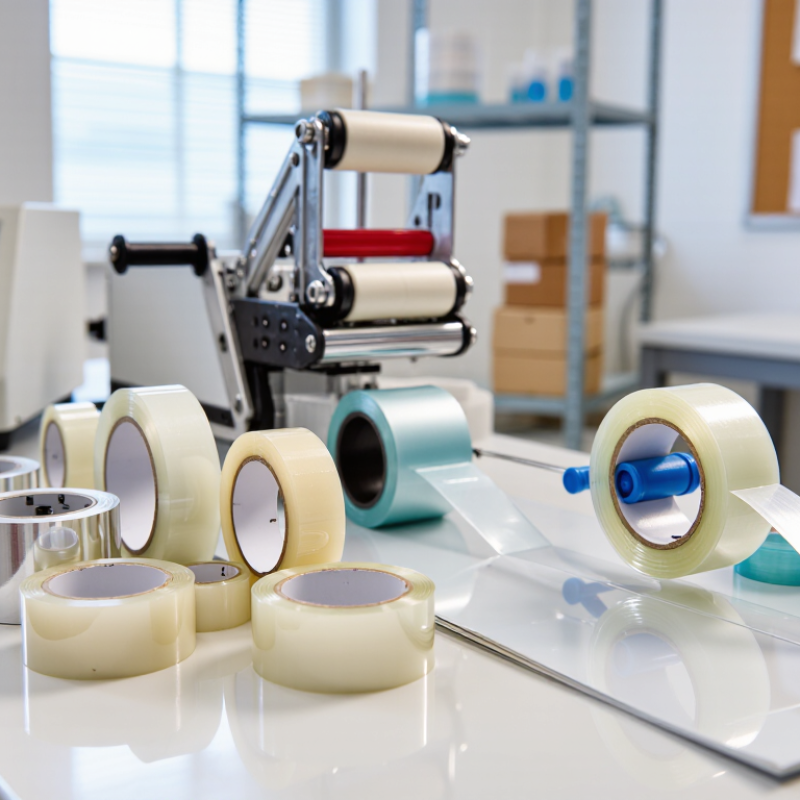
Heat seal tape is a thermoplastic adhesive tape activated by controlled heat. Unlike pressure-sensitive tape, it bonds when a heated tool softens its adhesive layer. Cooling then creates a firm connection between compatible surfaces. The tape may use a polyester, polyamide, or specialized film carrier. Its performance depends on adhesive chemistry, thickness, activation temperature, pressure, and cooling time.

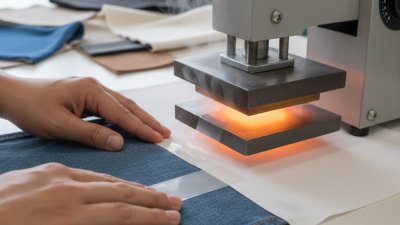
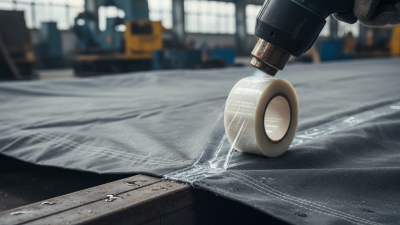
In packaging, heat seal tape closes coated paper, plastic films, and flexible pouches. It can also reinforce package edges and create tamper-resistant seams. Textile manufacturers use it for waterproof garment seams, outdoor equipment, banners, and inflatable products. It helps cover needle holes and reduce moisture entry. Some industrial applications include wire protection, insulation, and bonding laminated materials. The correct grade matters.

A practical selection starts with the substrate. Polyethylene, polyester, fabric, and coated foil may require different tapes. Check the supplier’s technical data, recommended temperature range, roll width, and storage conditions. Then test a small sample. Do not skip this step. A bond can look strong but peel after bending, washing, or temperature changes. In production, uneven pressure and excessive heat often cause weak edges, surface marks, or adhesive squeeze-out. Results may vary more than expected. Reliable manufacturers should provide batch information, test guidance, and traceable quality records, not only attractive specifications.

Key Features to Compare in Heat Seal Tape Manufacturers

When comparing heat seal tape manufacturers, start with performance evidence, not polished brochures. Check sealing temperature, dwell time, pressure, peel strength, and compatibility with films, foil, paper, or coated fabrics. A reliable supplier should provide test methods, batch records, and tolerance ranges. ISO 9001 certification supports process control, but it does not prove sealing performance by itself. Ask for application-specific samples.

Market pressure makes this important. Smithers’ flexible packaging research projects continued growth through 2028, driven by lightweight formats and higher barrier requirements. Grand View Research has also reported steady expansion in packaging materials, increasing demand for consistent converting performance. Manufacturers should therefore explain how their tape performs after heat aging, humidity exposure, and repeated transport. Look for data at different temperatures. Small details matter.

Supply reliability deserves equal attention. Compare minimum order quantities, production capacity, export documentation, lead times, and technical response speed. A manufacturer offering only one tape grade may not support changing substrates or machinery. However, too many specifications can confuse buyers. I would not select the longest datasheet automatically. Ask whether values come from internal tests or recognized methods such as ASTM procedures. Independent testing adds confidence, though it costs time. No supplier gets every variable right. A clear corrective-action process may matter more than a perfect first sample.

Top Heat Seal Tape Manufacturers for Global Buyers - Key Features to Compare in Heat Seal Tape Manufacturers
Comparison Dimension Typical Industry Benchmark Buyer Importance What Global Buyers Should Verify Recommended Evaluation Note
Adhesive Technology Silicone, acrylic, rubber, or hybrid adhesive systems selected according to temperature, substrate, and application speed. High Request technical data for adhesion, shear strength, peel strength, residue, and aging performance on the actual fabric or coated material. The best adhesive depends on the substrate and sealing process rather than on tape type alone.
Temperature Resistance Many heat-sealing applications require short-term exposure approximately from 120°C to 220°C, while specialized tapes may support higher process temperatures. High Compare continuous-use temperature, peak-temperature tolerance, dwell time, pressure, and cooling conditions. Do not evaluate temperature resistance without considering sealing time and pressure.
Substrate Compatibility Common applications include coated fabrics, textiles, waterproof garments, tents, tarpaulins, laminates, films, and technical fabrics. High Confirm compatibility with PVC, PU, TPU, polyester, nylon, PTFE-coated materials, and other surfaces used in production. A production trial on the final substrate is more reliable than a general compatibility statement.
Tape Construction Available constructions commonly include single-layer adhesive tapes, carrier-backed tapes, transfer films, and multi-layer seam-sealing tapes. High Review carrier material, adhesive thickness, total thickness, flexibility, stretch, release liner, and edge stability. Construction affects seam appearance, handling, machine settings, and final waterproofing.
Width and Thickness Range Industrial rolls are commonly supplied in several widths, often from approximately 10 mm to 100 mm, with thickness selected by application. Medium Ask for available standard sizes, tolerance limits, custom slitting capability, and thickness consistency across the roll. Exact dimensions should be matched to the sealing nozzle, roller, or automated equipment.
Waterproofing Performance Seam-sealing products may be designed to provide water resistance or waterproof protection after correct heat, pressure, and dwell-time settings. High Request hydrostatic-pressure results, water-column data where applicable, wash testing, flex testing, and seam durability reports. Waterproof performance is a finished-seam property, not only a tape property.
Bonding Speed Suitable products should reach stable adhesion within the buyer’s production cycle and equipment speed. High Compare recommended temperature, line speed, pressure, dwell time, cooling time, and immediate versus post-aging bond strength. Shorter sealing cycles can improve productivity but may require tighter process control.
Dimensional Consistency Reliable supply requires consistent width, thickness, adhesive coating, winding quality, and roll length. High Review inspection procedures, sampling plans, tolerance data, roll telescoping controls, splice management, and batch traceability. Consistency is especially important for automatic application and long production runs.
Color and Surface Finish Common options include transparent, white, black, and application-specific colors, with matte or glossy finishes. Medium Verify color tolerance, opacity, gloss level, appearance after heating, and resistance to discoloration. Aesthetic requirements should be tested after sealing, washing, stretching, and aging.
Chemical and Wash Resistance Performance may need to withstand detergents, oils, plasticizers, moisture, UV exposure, and repeated laundering. High Request test results for the chemicals, wash cycles, humidity, UV exposure, and service environment relevant to the product. Test conditions should reflect the destination market and intended product lifetime.
Quality Management A structured quality system commonly includes documented incoming inspection, in-process checks, final inspection, and corrective-action procedures. High Check current quality certificates, inspection records, batch coding, complaint handling, and certificate-of-analysis availability. A certificate is useful only when supported by traceable production and inspection records.
Regulatory Documentation Depending on the application, buyers may require REACH, RoHS, halogen, PFAS, food-contact, or other restricted-substance documentation. High Specify the destination country and end use, then request current declarations, test reports, safety data, and material composition information. Compliance requirements vary by market and product category; documentation should be product-specific.
Sampling and Technical Support Professional suppliers should provide samples, application guidance, processing parameters, and support during validation. High Evaluate sample turnaround, test-planning support, troubleshooting response, and ability to recommend equipment settings. Technical support can reduce validation time and production-startup risk.
Customization Capability Customization may cover width, thickness, color, adhesive formulation, roll length, liner, packaging, and labeling. Medium Confirm minimum order quantity, tooling or setup fees, development lead time, approval procedures, and change-control policy. Custom specifications should be documented in an approved technical specification sheet.
Production Capacity and Lead Time Lead time varies by standard stock, custom formulation, order quantity, seasonal demand, and export destination. High Compare monthly capacity, standard and customized lead times, safety-stock options, production scheduling, and shipment reliability. Ask for realistic delivery performance rather than only the shortest quoted lead time.
Packaging and Export Readiness Export packaging should protect rolls from moisture, dust, deformation, heat, and mechanical damage during transport. Medium Review carton strength, palletization, moisture protection, roll identification, barcode options, and shipping-document accuracy. Packaging specifications should reflect container loading, storage conditions, and local handling practices.
Total Cost of Ownership Purchase price should be assessed together with tape consumption, application speed, waste, rework, equipment compatibility, and service life. High Compare cost per sealed meter, usable roll length, yield, defect rate, replacement frequency, freight, duties, and technical-support cost. The lowest price per roll does not necessarily deliver the lowest finished-seam cost.
Note: The benchmarks above are general industry reference points. Actual performance depends on adhesive formulation, substrate, sealing equipment, temperature, pressure, dwell time, storage, and end-use conditions. Buyers should confirm specifications through product documentation and application trials.

How Global Buyers Can Evaluate Manufacturer Capabilities

Top Heat Seal Tape Manufacturers for Global Buyers

How Global Buyers Can Evaluate Manufacturer Capabilities

Global demand is becoming harder to serve consistently. MarketsandMarkets estimates the adhesive tapes market could grow from about USD 85.6 billion in 2023 to USD 110.4 billion by 2028. This growth raises a practical question: can a manufacturer repeat performance across different climates, substrates, and production lines?

Start with technical evidence, not a polished website. Request heat-seal temperature ranges, dwell-time data, bond strength, and failure photographs. A capable supplier should explain how its tape performs on coated films, woven materials, and recycled structures. Ask for test methods, sample conditioning, and batch-to-batch variation. ASTM F88 seal-strength testing can support useful comparisons, although it does not replace real production trials.

Look closely at process control. Check coating-weight records, curing controls, roll-width tolerances, and lot traceability. ISO 9001 certification helps, but it is not proof of excellent tape. A clean certificate is not enough. I would request three recent production lots and test them independently. That step may feel slow, yet it can expose unstable adhesion or uneven release layers.

Audit capacity with evidence. Review equipment maintenance, operator training, storage humidity, and contingency plans for raw materials. Ask whether the manufacturer can provide technical support during line trials. Some suppliers promise customization too quickly. That should invite more questions, not confidence. A pilot order, documented acceptance criteria, and retained samples create a more reliable buying decision.

Leading Heat Seal Tape Manufacturers by Market Strengths

Top Heat Seal Tape Manufacturers for Global Buyers

Leading Heat Seal Tape Manufacturers by Market Strengths

Heat seal tape manufacturers compete through different strengths, not one universal ranking. Large producers usually offer stable output, broader widths, and repeatable coating thickness. This matters when packaging lines run continuously. Grand View Research valued the global adhesive tapes market at approximately USD 84.75 billion in 2023. It expects a 5.8% compound annual growth rate from 2024 to 2030. Heat seal tape suppliers benefit from this wider industrial demand.

Manufacturers with strong technical teams often lead in customization. They adjust activation temperatures, carrier films, adhesive layers, and release liners for specific substrates. Smithers reports that flexible packaging demand continues to expand with lightweight and material-saving formats. Therefore, suppliers supporting thinner structures may gain an advantage. Buyers should request peel-strength results, sealing-window data, and aging tests. A sample that seals well in a laboratory may fail after transport.

Regional strength also shapes supplier performance. Producers near major converting hubs can shorten delivery times and simplify technical support. Manufacturers with documented quality systems usually provide better batch traceability. MarketsandMarkets has identified packaging applications as a major growth area for specialty adhesive technologies. Still, no supplier wins every category. Higher customization can increase cost, while very large factories may offer less flexibility. That trade-off deserves closer review. Reliable buyers compare test evidence, service response, and total delivered cost rather than relying on production volume alone.

How to Select the Right Supplier for Your Application

Top Heat Seal Tape Manufacturers for Global Buyers

How to Select the Right Supplier for Your Application

Choosing a heat seal tape supplier starts with the application, not the catalog. Define the sealing temperature, pressure, dwell time, substrate, and expected bond strength. A tape for coated paper may fail on woven fabric or low-surface-energy plastic. Ask suppliers for application data, not only general product descriptions.

Request samples from several manufacturers and test them on your actual equipment. Record jaw temperature, line speed, pressure, and peel results. Small changes can expose weak adhesion or adhesive transfer. Check whether the supplier can provide consistent roll width, clean edges, stable winding, and documented batch traceability. Reliable manufacturers should share technical data sheets, safety information, quality procedures, and production lead times.

Supply continuity also matters for global buyers. Review minimum order quantities, packaging protection, export experience, and communication speed. A technically strong tape is still unsuitable if replacement rolls arrive late or vary between batches. In one practical mistake, buyers may compare only price and overlook machine adjustments. That choice can create waste, downtime, and uneven seals. Ask for a trial plan and written acceptance criteria before placing a large order. Be willing to revise the specification after testing. Real production often reveals details that laboratory samples miss.