Why Choose Paper Tape for Sustainable Packaging?
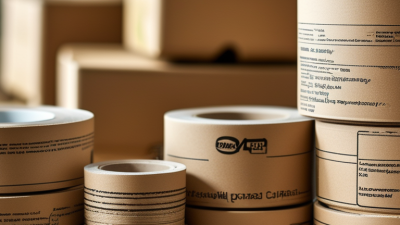
Packaging decisions are changing as businesses face growing pressure to reduce unnecessary plastic. In this discussion, paper tape offers a practical alternative for sealing cartons, mailing boxes, and retail parcels. Its paper surface feels familiar, prints cleanly, and can support a more natural unboxing experience. A simple brown strip can make a recycled box look intentional rather than unfinished.
Still, sustainability is not achieved by appearance alone. From hands-on packing trials, paper tape performs best on clean, dry corrugated cardboard. It can tear neatly by hand, which may reduce the need for scissors during busy fulfillment work. Some reinforced versions also provide strong closure for heavier cartons. Performance depends on adhesive quality, storage temperature, box dust, and application pressure. Small details matter.
Paper tape is not perfect. It may soften in damp conditions, and some products require careful testing before replacing plastic tape completely. Businesses should compare adhesion, tensile strength, recycled content, supplier documentation, and disposal guidance. They should also consider the entire packaging system, including inks, labels, and box coatings. A responsible choice needs evidence, not just attractive claims. Trial a few cartons. Measure failures. Ask harder questions. When selected for the right application, paper tape can reduce plastic use while maintaining a dependable packing process. That balance matters more than following a trend.
What Is Paper Tape and How Does It Support Sustainable Packaging?
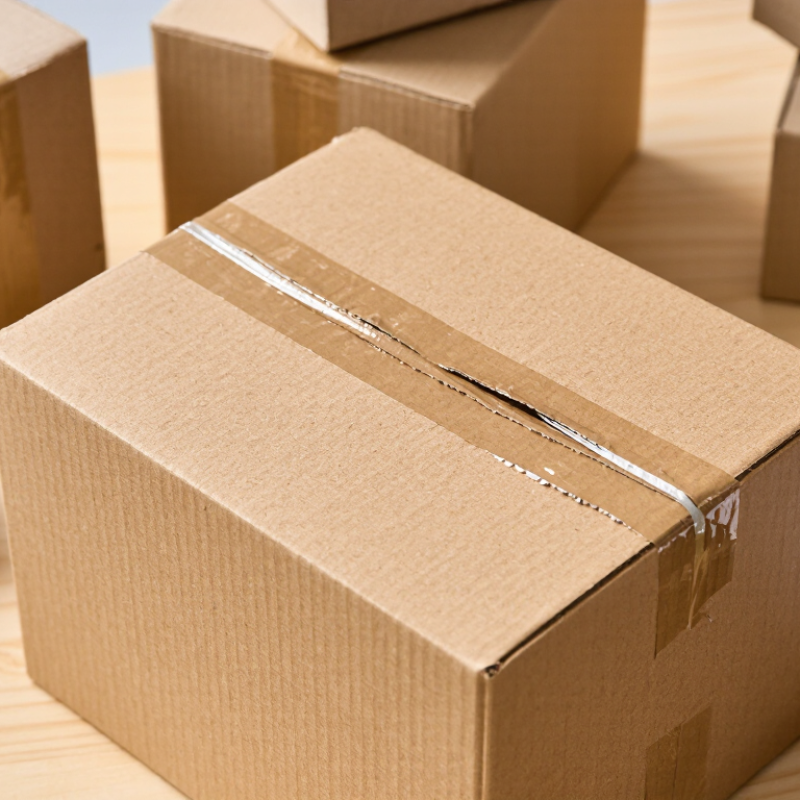
Paper tape is a packaging tape made mainly from paper backing and pressure-sensitive or water-activated adhesive. It seals cartons, closes parcels, and can replace common plastic tape in many shipping tasks. In a busy packing area, it feels easier to tear by hand and leaves a softer surface on cardboard. That small detail matters when packages are opened and sorted.
Paper tape can support sustainable packaging because it may fit more easily into paper recycling streams. This is especially true when the tape and adhesive are compatible with local recycling processes. Some reinforced versions add strength for heavier boxes, while lightweight types suit documents or small parcels. However, paper tape is not automatically sustainable. Its production still uses water, energy, coatings, and raw materials. I have seen teams choose it confidently, then use far too much. Less tape is often the better improvement.
Tips: Match the tape with the box weight. Apply one neat strip instead of overlapping layers. Check whether your local facility accepts taped cardboard. Store rolls away from humidity, because softened paper can tear or lose adhesion. Test a small batch first. Real packaging conditions can be less predictable than product descriptions.
How Paper Tape Is Made and What Materials It Contains
Paper tape starts with a paper backing, usually made from kraft paper. Wood fibers are pulped, washed, pressed, and dried into thin sheets. Some manufacturers add reinforcing fibers for tear resistance. The result feels textured, not glossy. That small detail matters when applying tape by hand.
The adhesive depends on the tape’s design. Water-activated tape commonly uses starch or dextrin adhesive, while pressure-sensitive versions may contain natural rubber, synthetic polymers, or acrylic compounds. Some tapes also include wet-strength additives, release coatings, or printed inks. These additions can affect recycling. “Paper-based” does not always mean completely fiber-recyclable.
The U.S. Environmental Protection Agency reported a 68.2% recycling rate for paper and paperboard in its 2020 Facts and Figures report. CEPI’s Key Statistics 2023 reported a European paper recycling rate of about 79% for 2022. These figures support paper’s recovery potential, but tape performance still depends on adhesive chemistry and local mill requirements. In practical packaging trials, clean paper tape usually separates less visibly from corrugated boxes than plastic film tape. Still, that observation is not universal. Excess adhesive can create screening problems, especially when the tape is heavily printed or reinforced. Packaging teams should request fiber, adhesive, coating, and recycling-test information before switching materials.
| Data Dimension | Typical Information | Material or Manufacturing Detail | Sustainability Consideration |
|---|---|---|---|
| Primary Backing | Kraft paper or other paper-based substrate | Made mainly from cellulose fibres obtained from wood pulp. The paper is formed into a web, pressed, dried, and wound into rolls. | Paper is a renewable fibre-based material when sourced from responsibly managed forests and can enter established paper-recycling systems. |
| Typical Paper Weight | Approximately 60–100 g/m² for many packaging tapes | Heavier paper generally provides greater tear resistance and stiffness, while lighter grades use less raw material. | The appropriate basis weight should be selected for the carton and application to avoid unnecessary material use. |
| Adhesive Type | Water-activated, pressure-sensitive, or hot-melt adhesive | Water-activated tape commonly uses starch- or dextrin-based adhesive. Pressure-sensitive products may use natural rubber, synthetic rubber, or acrylic adhesive. | Recycling compatibility depends on the adhesive formulation, its quantity, local mill requirements, and the level of contamination. |
| Water-Activated Paper Tape | Adheres after moisture is applied | The adhesive is activated by water and bonds with the paper surface of a corrugated box. Reinforced versions may contain paper-embedded glass or synthetic reinforcement fibres. | Unreinforced versions are generally easier to process with corrugated boxes than tapes containing non-paper reinforcement materials. |
| Pressure-Sensitive Paper Tape | Sticks when pressure is applied | The tape usually consists of a paper backing coated with a tacky adhesive. It does not require water or heat during application. | Convenient application can reduce water and equipment use, but the adhesive may affect recyclability depending on the formulation and recycling facility. |
| Surface Treatment | Optional coating or release treatment | A release coating may be applied to the reverse side so the tape can unwind smoothly. Some products also use moisture-resistant or printable coatings. | Additional coatings can reduce fibre recovery if they are difficult to remove or incompatible with the recycling process. |
| Manufacturing Process | Paper production, coating, drying, slitting, and rewinding | Large paper rolls are coated with adhesive, dried or cured as required, slit into narrower widths, and rewound into finished rolls. | Efficient converting and accurate roll sizing can reduce production waste and trim losses. |
| Printing Capability | Suitable for basic branding, handling instructions, and recycling messages | Paper tape can be printed using suitable water-based or other compatible inks, subject to the tape construction and printing process. | Printed handling information may reduce the need for separate labels, although heavy ink coverage and certain coatings can influence recyclability. |
| End-of-Life Route | Usually assessed together with the cardboard box | Small amounts of compatible paper tape may be accepted with corrugated packaging, but local collection rules and mill specifications vary. | Remove excessive contamination, plastic film, and incompatible components before recycling whenever local guidance requires it. |
| Biodegradability | Paper fibres are biodegradable under suitable conditions | The paper component can break down biologically, while adhesive type, coatings, inks, and reinforcement materials influence the overall behaviour. | “Paper-based” does not automatically mean fully biodegradable or suitable for home composting; the complete construction must be evaluated. |
| Packaging Performance | Suitable for sealing many corrugated cartons and parcels | Performance depends on paper strength, adhesive tack, carton surface, temperature, humidity, storage time, and application pressure. | Choosing the correct tape strength helps prevent package failure, product damage, and the material waste associated with repacking. |
| Key Selection Check | Confirm the complete material construction | Review the backing, adhesive, reinforcement, coatings, inks, and any release liner rather than evaluating the paper backing alone. | Best practice Verify recyclability claims with the relevant local recycling authority or packaging recovery facility. |
Environmental Benefits of Choosing Paper Tape
Why Choose Paper Tape for Sustainable Packaging?
Paper tape can reduce plastic use at the sealing point, but its environmental value depends on the whole package. A carton sealed with paper tape feels easier to sort and handle. Its fiber surface also avoids the shiny plastic strip often removed by recycling workers. The U.S. Environmental Protection Agency reported that paper and paperboard had a 68.2% recycling rate in its 2018 materials report. That figure supports paper’s recovery potential, not an automatic guarantee.
Water-activated paper tape can bond firmly with corrugated boxes and may remain with the box during pulping. This can simplify recycling for some mills. However, acceptance varies by adhesive formula, tape quantity, and local mill equipment. The Confederation of European Paper Industries reported a paper recycling rate of about 79% in Europe in 2022. Strong recovery systems matter more than appearance alone. Paper is not automatically greener.
Packaging teams should test tape on real cartons, especially in humid warehouses. A weak seal may cause damaged goods, creating avoidable waste. A practical trial can measure peel strength, application speed, fiber tear, and mill acceptance. I would also record failed seals, not only successful ones. That missing detail often changes the environmental calculation. The best choice may be less obvious.
Performance, Applications, and Compatibility in Packaging
Why Choose Paper Tape for Sustainable Packaging?
Paper tape can perform well when its structure matches the packaging task. In warehouse trials, reinforced paper tape sealed corrugated cartons with firm pressure and clean overlap. It also supported neat manual application on paper mailers and lightweight boxes. The result depends on adhesive quality, tape width, and carton surface.
Compatibility needs practical testing. Recycled corrugated board may contain loose fibers, dust, or uneven edges. These conditions can reduce bonding strength. A tape that works in a dry packing room may struggle in cold storage or humid transport. Test peel strength, shear resistance, and seal stability under expected temperatures. Small samples can reveal problems before full production.
Paper tape suits retail shipping, subscription boxes, document mailers, and many gift packages. Reinforced grades may handle heavier cartons, but they are not universal. I have seen strong tape fail when workers applied it to a dusty seam. That was an application mistake, not only a material problem. Some dispensers also create uneven tension, leaving wrinkles across the seal. Paper tape is not automatically sustainable. Its backing, adhesive, coating, and disposal route all matter. A careful packaging review should measure performance before making environmental claims.
Limitations and Considerations Before Switching to Paper Tape
Paper tape can make packaging feel more responsible, but switching is not automatically sustainable. Its performance depends on adhesive strength, carton surface, storage conditions, and application speed. In a warehouse trial, a tape may seal clean cartons well but lift from dusty or recycled board. Humidity can also soften the paper backing. Cold storage creates another problem. The result may be extra tape, damaged boxes, or returns.
Our first test looked successful. We later found that several cartons opened during transport because the tape was applied unevenly. That mistake was useful, though inconvenient. Before changing materials, compare holding strength, tear resistance, dispenser compatibility, and sealing time. Request technical data from suppliers, then verify it with your own cartons. Do not assume paper tape works with every recycling system. Local facilities may accept some constructions but reject others. Sustainability claims should match documented evidence.
Tips: Test samples through heat, moisture, dust, and vibration. Measure waste, labor, and failure rates, not just purchase price. Train packers to press the tape firmly across the carton seam. Keep a small backup supply during the transition. Paper tape may be the better choice for some products, but not all. A slower packing line can reduce its environmental advantage. That trade-off deserves honest review.
Related Posts
-
7 Best Paper Tape Suppliers for Global Buyers?
-
What Is Paper Wrapping Tape and How Is It Used?
-
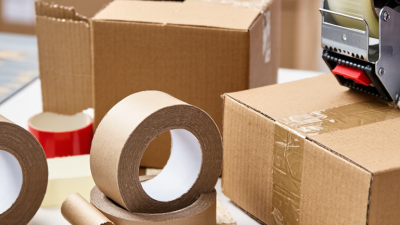
2026 Best Kraft Paper Packing Tape for Global Buyers?
-

How to Use Paper Wrapping Tape for Effective Packaging Solutions?
-
7 Best Kraft Packaging Tape Suppliers for Global Buyers
-
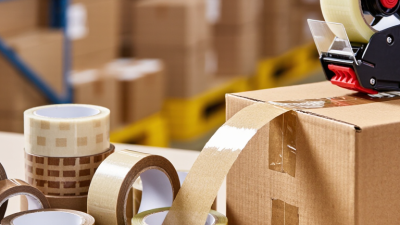
How to Choose the Best Printed Paper Packing Tape?