2026 Top Paper Banding Tape Types for Global Buyers

Paper banding tape has become a practical choice for bundling printed materials, cartons, and retail products. It can hold items together while leaving more of the product visible than a full wrap. For global buyers, however, the right type depends on more than appearance. Paper grade, adhesive, tape width, dispenser compatibility, and storage conditions all affect performance. A roll that feeds cleanly on a dry factory floor may behave differently in a humid warehouse. Small details matter.

This guide compares the main paper banding tape types buyers may encounter in 2026, including kraft paper options, reinforced grades, and tapes designed for different adhesive needs. It also considers where each type fits, what to check in supplier samples, and which trade-offs deserve a closer look. A strong claim on a product sheet is not the same as a successful line trial. Test the tape with the actual bundle, tension, and equipment. That step is easy to overlook.

A verifiable expert quotation needs a reliable source. No article or expert quote was supplied with this request, so I cannot responsibly attribute invented words to a named specialist. A suitable quotation can be added once its source is confirmed. Until then, this introduction keeps the focus on practical selection: compare specifications, test real rolls, and treat performance claims with care.
2026 Top Paper Banding Tape Types for Global Buyers

What Paper Banding Tape Is and How It Works

Paper banding tape is a narrow paper strip used to hold products or small bundles together. It wraps around items such as folded cartons, printed materials, or produce trays without covering their full surfaces. Compared with a wide shipping tape, it uses less material and leaves more of the product visible. That matters.

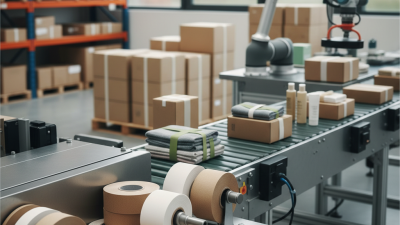
In a banding machine, a roll feeds paper around a bundle. The machine applies controlled tension, then joins the ends with a heat-sealable coating or adhesive, depending on the tape design. Some tapes are made for manual use, while others need specific machine settings. The band should feel secure, not crushing. A stack of brochures, for example, can shift if the band is too loose, but tight tension may dent the edges.

Paper type, width, coating, and bundle shape all affect performance. Smooth, regular stacks are usually easier to band than soft or uneven items. Keep this in mind. A slightly crooked band may still hold, but repeated misalignment can signal a feeding or tension problem. Paper content alone does not guarantee easy recycling; coatings, inks, and adhesives may affect local sorting. Check the tape specification and test it on the actual product before choosing a roll for routine packing.

Core Materials Used in Paper Banding Tape

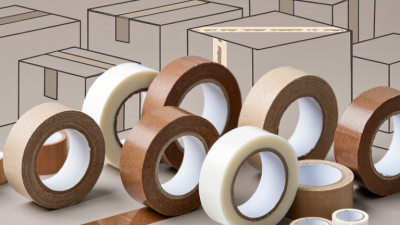
Paper banding tape typically combines a paper backing with an adhesive layer. Kraft paper is common because its fibers provide useful strength while keeping the tape flexible. A smooth, lightweight backing can suit neat bundles of printed inserts or small cartons. Heavier paper may resist tearing better, though it can feel less conformable around tight corners.

The adhesive may be based on rubber or acrylic, depending on the tape design. Rubber-based formulas often provide quick grip on clean surfaces, while acrylic options may be selected for aging or temperature performance. These are general tendencies, not guarantees. Dust, recycled carton fibers, and cold storage can all change how well tape holds. Test it on the actual package.

Some paper tapes also use coatings or reinforced fibers to improve handling. Those additions can affect tear behavior, printability, and disposal. Paper does not automatically mean every component fits every recycling stream. Check the backing, adhesive, and local sorting guidance together.

One detail is easy to overlook: the tape may work well in a sample test, then struggle on a dusty production line. That is worth checking before choosing a material.

Adhesive Types and Their Performance Differences

For paper banding tape, adhesive choice shapes how quickly a bundle holds and how cleanly it releases. Hot-melt rubber adhesive offers fast tack on cartons and many paper surfaces. It grabs fast. This can suit automated lines where bundles move immediately after wrapping. However, recycled cartons may carry dust or loose fibers, weakening contact. Warm storage can also soften some formulations, so test the tape under actual shipping conditions.

Acrylic adhesive often provides steadier performance across changing temperatures and longer storage periods. Its bond may build more gradually, which matters when a pack needs immediate handling. Water-based adhesive can work well on clean, porous paper, but humidity and surface coatings can affect adhesion. Temperature matters. In a cold warehouse, a tape that performs well at room temperature may feel less responsive. Buyers should compare unwind, tack, and residue on the exact paper stock, including kraft and recycled grades. A small trial with real bundle weights reveals more than a specification sheet alone. The choice seems simple, but it rarely is.

2026 Top Paper Banding Tape Types for Global Buyers — Adhesive Types and Their Performance Differences

Tape Type Adhesive Type How It Bonds Initial Tack Holding Performance Moisture Resistance Typical Applications Buyer Considerations
Plain kraft paper tape Water-activated starch or dextrin adhesive Water activates the adhesive, which bonds with the carton surface as it dries. Low before activation; develops a firm bond after wetting and application. High on suitable corrugated cartons when correctly applied; the bond can become difficult to remove cleanly. Generally limited before application; the completed bond can be affected by prolonged exposure to moisture. Carton sealing, shipping, and applications where a paper-based seal is preferred. Requires water activation and suitable application equipment or a dispenser. Carton surface, dust, and application pressure affect results.
Reinforced water-activated paper tape Water-activated starch or dextrin adhesive, with reinforcing fibers in the paper backing Water activates the adhesive; embedded fibers add strength to the tape backing. Low before activation; develops a strong carton bond after application. High; reinforcement improves resistance to tearing and can help resist carton opening. Generally limited under sustained wet conditions; performance depends on the adhesive and tape construction. Heavy cartons, export packaging, and shipments where added seal strength is needed. Check reinforcement pattern, tape width, carton quality, and dispenser compatibility. Reinforcement strengthens the backing, not every carton surface.
Self-adhesive paper tape Pressure-sensitive synthetic rubber or hot-melt rubber-resin adhesive Pressure brings the adhesive into contact with the carton; no water activation is required. Typically medium to high, depending on adhesive formulation and the surface. Good for many routine sealing tasks; performance varies with carton dust, recycled fibers, temperature, and application pressure. Usually limited to moderate; check product specifications for humid or wet conditions. Hand-applied carton sealing, bundling, and uses requiring a paper-backed tape without a water-activated dispenser. Offers convenient application. Confirm adhesion on the actual carton, especially on recycled, dusty, or low-energy surfaces.
Self-adhesive paper tape with acrylic adhesive Water-based or solvent-based acrylic pressure-sensitive adhesive Pressure creates contact between the adhesive and the carton surface. Often moderate initially; may build adhesion over time, depending on formulation. Can provide stable holding and aging performance; actual results depend on the tape grade and packaging conditions. Often offers better resistance to aging and some environmental exposure than basic rubber-based grades, but is not automatically waterproof. General packaging, longer storage, and applications where consistent performance over time is important. Compare performance at the expected application and storage temperatures; acrylic formulations vary considerably.
Self-adhesive paper tape with natural-rubber adhesive Natural-rubber pressure-sensitive adhesive, commonly compounded with tackifying resins Pressure creates immediate adhesive contact with the substrate. Often high, including on some rough or irregular carton surfaces. Can provide strong initial grab and useful holding on challenging surfaces; heat and aging performance depend on formulation. Varies by formulation; verify for humid storage or exposure to moisture. Fast application, carton sealing, and surfaces where strong initial grab is useful. Check temperature range, aging requirements, and any applicable material or handling restrictions for the destination market.
Printable or writable paper tape Usually pressure-sensitive acrylic or rubber-based adhesive Pressure-sensitive bonding; the paper face is selected for printing, labeling, or handwriting. Varies with the adhesive grade; commonly medium to high for packaging use. Suitable for identification and light-to-standard sealing when matched to the carton and use conditions. Depends on the adhesive and paper treatment; the printable face may also be affected by moisture. Package identification, inventory marking, and branded or instruction-free print applications. Confirm print compatibility, ink drying, surface treatment, and whether the tape is intended for sealing or marking only.

Comparison note: Performance descriptions are general, relative guidance rather than guaranteed specifications. Adhesion and service life depend on the specific formulation, paper backing, carton surface, application pressure, temperature, humidity, and storage conditions. Request product data and test samples on the intended packaging before selection.

Paper Banding Tape Types by Application

Paper banding tape should match the product, packing method, and handling conditions. For bundling printed sheets, envelopes, or folded textiles, narrow pressure-sensitive paper tape is practical for short runs and hand application. It tears easily and can be removed without leaving a plastic strap behind, though adhesion varies with surface dust and temperature. Test it on the actual product. A small trial can reveal problems before a full packing shift.

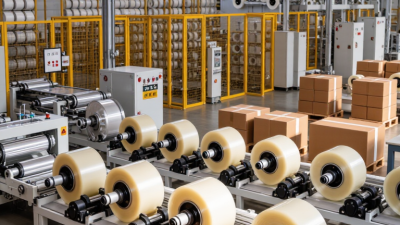
Automated lines usually need machine-grade paper tape with consistent width, thickness, and unwind tension. Uneven rolls can cause feeding stops or loose bands, even when the tape itself seems strong. For heavier cartons or bundles, reinforced paper tape may offer more resistance to tearing; check that the machine can handle its added stiffness. Water-activated paper tape is better suited to sealing cartons than frequent, quick banding, since it needs moisture and pressure to bond well. Not every paper tape fits every use. A common oversight is choosing by appearance alone. Compare the band’s hold after storage, stacking, and ordinary handling, then adjust tape width or tension if edges lift. Some results remain inconsistent. That is worth noting.

2026 Top Paper Banding Tape Types for Global Buyers

Typical application fit by paper tape type

Ratings are a qualitative guide to common use, not measured market data: 1 = limited fit and 5 = strong typical fit. Reinforced kraft tape is suited to demanding bundling and carton-sealing tasks; water-activated kraft tape is primarily used for carton sealing; self-adhesive paper tape is convenient for lightweight bundling and general packaging. Actual performance depends on tape construction, adhesive, and application conditions.

Key Factors for Global Buyers Comparing Tape Options

Global buyers comparing paper banding tape should start with the application, not the catalogue description. For bundling printed cartons or lightweight products, a narrow, flexible tape may be enough. Heavier bundles need stronger paper and dependable adhesion. Small details matter. Check tape width, roll length, and whether the roll fits the banding machine without an adapter.

Adhesive choice affects handling. Pressure-sensitive tape is quick to apply, while water-activated tape needs moisture and drying time. Test adhesion on the actual surface, especially if cartons are dusty, coated, or stored in humid conditions. A specification sheet rarely tells the whole story.

Ask for samples, then check for edge lift after a day and residue after removal. Paper grade, tensile strength, and print quality also deserve attention when the band is visible to customers.

Shipping distance and storage conditions can change performance before the tape reaches a production line. Confirm recommended temperature and humidity ranges with the supplier, and compare packaging that protects rolls from moisture. Request consistent specifications across batches. Still, a perfect data sheet cannot replace a trial on your own equipment; that step is easy to skip, and it may reveal a mismatch in feed tension or cut length. Test before scaling.