10 Best Sealing Tapes for Packaging and Shipping
A sealed carton carries more than its contents. It carries a promise that the order will arrive intact. That promise matters as online shopping expands. The U.S. Census Bureau’s Quarterly Retail E-Commerce Sales report estimated 2024 U.S. e-commerce sales at $1.19 trillion, or 16.1% of total retail sales. More parcels mean more cartons facing vibration, changing temperatures, and rough handling.
The right sealing tape depends on the box, the load, and the route. Corrugated board can be dusty or recycled; a heavy carton can pull at a weak closure. Packaging materials specialist Dr. Andrew H. Dent is known for his work on packaging design. As an editorial paraphrase of that design-focused perspective—not a verbatim quotation—the guiding principle is: “Choose the closure for the real package and journey, not appearance alone.” A useful test. Press the tape firmly onto the carton, then check whether its edges lift.
This guide compares 10 sealing tape options for packaging and shipping, including pressure-sensitive and water-activated choices. It considers adhesion, backing strength, application method, and practical fit for different shipping needs. No tape suits every box. That is worth remembering. A low-cost roll may work for light parcels but disappoint on rough, recycled board. Use the comparisons as a starting point, then test the tape on your own cartons before relying on it for regular shipments.
How Sealing Tape Protects Packages During Shipping
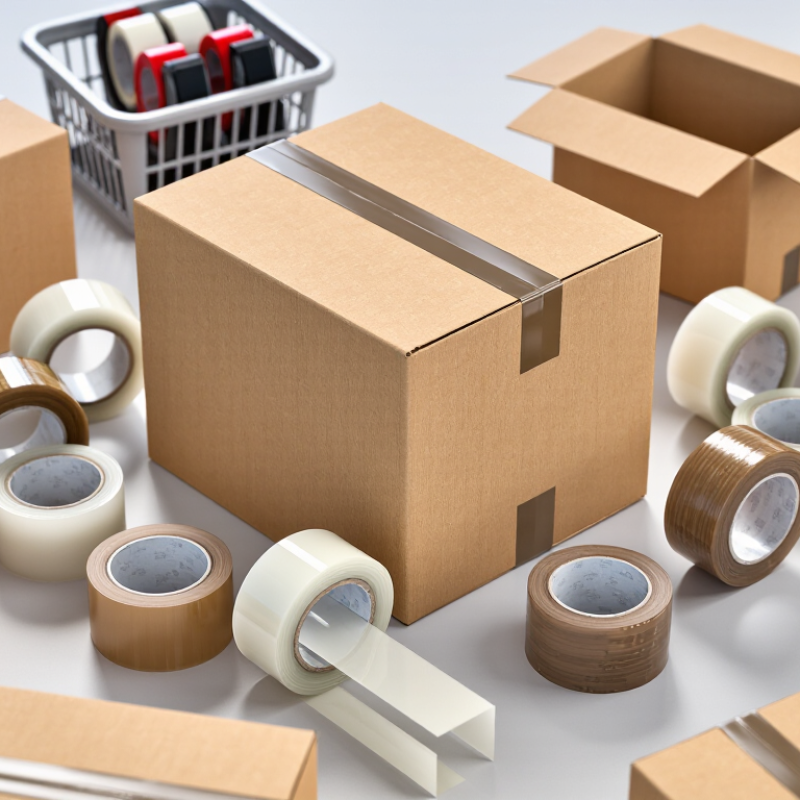
Sealing tape does more than hold box flaps shut. It helps keep dust and moisture out, resists accidental opening, and supports carton seams during handling. Pitney Bowes’ 2024 Parcel Shipping Index reported 22.37 billion U.S. parcels in 2023. That volume means packages pass through many handoffs, where shifting loads and repeated handling can stress weak closures. Small gaps matter.
A practical seal starts with a clean, dry carton and tape wide enough to cover the center seam. Apply firm pressure along the full strip, then seal the end seams in an H pattern for extra support. ISTA’s transport-testing procedures include impacts, vibration, and compression—stresses that can expose poor carton closure. Tape is not armor. It cannot compensate for a box that is too weak, too full, or poorly sized. I’d also avoid pulling tape so tightly that the flaps bow; that can leave edges exposed. Adhesion may vary with cold, dust, or recycled board, so check the seal after packing and choose tape suited to the carton and shipping conditions.
Factors to Consider When Choosing Packaging Tape
The right sealing tape depends on the carton, its contents, and the journey ahead. A light box with clean, dry paperboard may need less holding power than a heavy carton with rough recycled fibers. Check the package weight, seam width, and likely storage temperature. Acrylic adhesive can suit general use, while hot-melt tape often grabs quickly. Performance still varies with the surface and conditions. No tape works equally well on every box.
Tips: Test a strip on the actual carton. Seal one box, wait a few minutes, then check whether the edges lift. Notice whether the tape splits or unwinds unevenly. Store rolls away from dust and direct sunlight.
Tape width, thickness, and ease of application matter too. A wider strip can cover a seam more fully, but it may be awkward on small parcels. Thicker tape is not automatically stronger for every packing job. I would not trust a tidy first seal as proof; cartons can loosen after rough handling or temperature changes. Compare a small trial with your usual packing method before buying rolls in bulk. Also consider whether staff can apply the tape smoothly without excessive pulling or repeated layers. A seal should stay flat, with no open corners.
10 Best Sealing Tapes for Packaging and Shipping - Factors to Consider When Choosing Packaging Tape
| Tape type | Backing and adhesive | Best suited for | Advantages | Factors to consider |
|---|---|---|---|---|
| 1. General-purpose acrylic carton-sealing tape | Polypropylene film with water-based acrylic adhesive | Routine sealing of light- to medium-weight corrugated cartons | Good aging and UV resistance; often a practical choice for standard warehouse conditions | Initial tack can be lower than some rubber-based adhesives. Press tape firmly onto clean, dry carton surfaces. |
| 2. Hot-melt carton-sealing tape | Polypropylene film with synthetic rubber hot-melt adhesive | High-volume packing and cartons needing quick grab | Typically offers strong initial tack and works well in many fast-paced packing operations | Performance depends on the formulation and temperature. Check the product’s rated service conditions. |
| 3. Solvent rubber carton-sealing tape | Polypropylene film with natural-rubber-based solvent adhesive | Cartons requiring strong adhesion across a wider range of surfaces or conditions | Can provide good tack and adhesion, including on some recycled or less uniform carton surfaces | Specifications vary; confirm suitability for the carton surface, application temperature, and shipping environment. |
| 4. PVC carton-sealing tape | Polyvinyl chloride film with a pressure-sensitive adhesive, commonly rubber-based | Quiet, controlled carton sealing and applications where easy hand tearing is useful | Generally unwinds quietly and can be easy to tear by hand | Usually costs more than common polypropylene tape; check local recycling guidance for PVC materials. |
| 5. Reinforced water-activated paper tape | Kraft paper with water-activated adhesive and embedded reinforcing fibers | Heavy cartons, valuable shipments, and closures where tamper evidence is important | Bonds with the carton surface and can create a strong, difficult-to-reopen seal | Requires water and a suitable dispenser. Fiber reinforcement improves strength but does not replace proper carton design. |
| 6. Non-reinforced water-activated paper tape | Kraft paper with water-activated adhesive and no reinforcing fibers | Light- to medium-weight cartons and paper-focused packaging workflows | Can adhere directly to corrugated fiberboard and is compatible with paper-based packaging streams where accepted locally | Needs water and a dispenser; verify the tape’s strength against the carton weight and shipping demands. |
| 7. Pressure-sensitive kraft paper tape | Paper backing with a pressure-sensitive adhesive | Hand sealing, labeling, and lighter cartons where a paper appearance is preferred | Applies without water and can be torn by hand; paper backing is easy to write on | Adhesion and tear strength vary by construction. It may not match reinforced water-activated tape for demanding loads. |
| 8. Filament-reinforced strapping tape | Plastic film reinforced with glass-fiber filaments and pressure-sensitive adhesive | Bundling, reinforcing carton seams, and securing heavy or irregular packages | High tensile strength helps resist splitting along the tape length | Not a substitute for strapping when a load needs substantial restraint. Use a cutter; filaments can be difficult to tear cleanly. |
| 9. Low-noise acrylic carton-sealing tape | Polypropylene film with an acrylic adhesive and a quieter-release treatment or construction | Packing areas where frequent tape dispensing creates unwanted noise | Reduces unwind noise compared with many standard film tapes while serving routine carton-sealing needs | “Low-noise” performance varies by product and dispenser. Test unwind and adhesion on the actual packing line. |
| 10. Cold-temperature carton-sealing tape | Film backing with a pressure-sensitive adhesive formulated for lower-temperature application or service | Packaging in chilled warehouses or cartons sealed in cooler conditions | Designed to maintain adhesion better than general-purpose tape under specified cold conditions | Check both application and service-temperature ratings. Cold, dusty, or damp carton surfaces can still reduce adhesion. |
Selection note: Match tape to carton weight, recycled-fiber content, surface condition, application temperature, storage environment, dispenser, and required tamper evidence. Product performance varies by formulation; consult the supplier’s technical specifications and test on the intended cartons.
Common Sealing Tape Types and Their Uses
Choosing sealing tape starts with the carton, not the tape roll. Standard acrylic packing tape suits light to medium boxes stored in stable conditions. It resists aging well, though it may need firm pressure to bond on dusty or recycled cardboard. Hot-melt tape grabs quickly and often works better on rough carton surfaces. It can be a practical choice in busy packing areas, but performance varies with temperature and storage.
Water-activated paper tape bonds with the carton as its adhesive is moistened. It can help create a close, tamper-evident seal and is useful when a neat paper finish matters. Keep the dispenser nearby. Without enough moisture, the edges may lift. For heavy cartons or long seams, filament tape adds strong glass-fiber reinforcement. It resists splitting, but can be awkward to cut by hand and is usually more than a small parcel needs.
Masking tape is designed for temporary holding or labeling, not dependable shipping seals. That distinction is easy to overlook when packing in a hurry. I would test a short strip on the actual carton before sealing a large batch; coatings, dust, and cold storage can change adhesion. Press along the full seam, especially at the corners. A tape that feels secure on a clean desk may behave differently on a cold loading dock.
Common Sealing Tape Types and Their Uses
Typical suitability for common packaging tasks
Ratings are a general-use guide on a 1–5 scale, where 5 indicates strong suitability. Actual performance varies by tape formulation, carton surface, application method, and shipping conditions.
Ten Sealing Tapes for Different Packaging Needs
The right sealing tape depends on the carton, its contents, and the journey ahead. Pitney Bowes reported 21.7 billion U.S. parcels in its 2024 Parcel Shipping Index, underscoring the scale of everyday shipping. For common boxes, acrylic tape offers steady adhesion and good aging; hot-melt tape grips quickly in busy packing areas; natural-rubber tape handles varied surfaces. Water-activated kraft tape bonds with the carton, while filament-reinforced tape adds strength for heavy loads. Each serves a different need.
For lighter parcels, paper tape is easy to tear and can suit paper-based packing systems. PVC tape unwinds smoothly and resists splitting. Low-noise tape makes packing calmer in small workspaces, though it may not suit every dispenser. Freezer-grade tape is made for cold storage, where ordinary adhesive can lose its grip. Tamper-evident tape can show signs of opening, but it cannot replace careful packing or secure handling. Ten options, ten trade-offs.
Before choosing, test a short strip on the actual carton. Dust, recycled fibers, and cold surfaces can change adhesion more than a product description suggests. Press the tape firmly across the center seam and both edges, then check the bond after the box has sat overnight. Small details matter. I would not assume that thicker tape is always stronger; a poor fit can still peel at the corners.
How to Apply and Store Sealing Tape Properly
Reliable carton sealing starts before the tape touches the box. Remove dust, moisture, and loose fibers, then center the tape over the seam. Press it down firmly, especially across both edges and the carton ends. A handheld dispenser can help maintain steady tension, but excessive tension may distort lightweight cartons. ASTM International’s D3330/D3330M test method includes a 180-degree peel test for pressure-sensitive tape. It highlights why consistent contact and secure edges matter.
Let the adhesive bond to the surface before cartons face rough handling. The International Safe Transit Association’s 3A procedure evaluates parcel packages under hazards such as drops, vibration, and compression. A neat seal is not proof of protection, so test representative cartons with the actual box material and load. Store tape in its original packaging in a clean, dry place, away from direct sunlight and heat. Follow the supplier’s storage guidance; temperature swings can affect application. One detail is easy to overlook: dusty shelves can contaminate exposed tape edges.
Tips: Apply tape to room-temperature cartons when possible. Use a short test strip on unfamiliar cardboard. Rotate stock by purchase date, and check rolls for curled edges or weakened adhesion before packing. Small checks help. I would still inspect a few sealed cartons after packing, since rushed application can leave a hidden gap.
Related Posts
-
Why Use Sealing Tape for Effective Insulation and Protection?
-

Top Tips for Choosing the Best Package Sealing Tape?
-
2026 Top Industrial Tape Types for Global Buyers
-

Why is Package Sealing Tape Essential for Shipping and Packaging?
-
What Is Paper Tape Used For?
-
Top Heat Seal Tape Manufacturers for Global Buyers