What Is Paper Tape Used For?
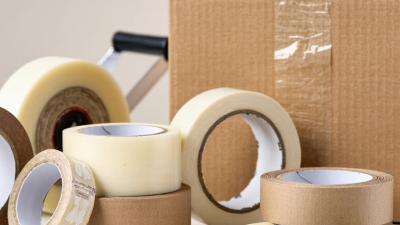
Paper tape is a broad name for several tapes with paper-based backings, and each type serves a different purpose. You may see it sealing a cardboard box, marking a paint edge, or holding a light dressing in place. The material can be easy to tear by hand, write on, or remove cleanly, depending on its adhesive and construction. Those differences matter. A tape that works well on a shipping carton may not suit a delicate wall or sensitive skin.
This guide explains what paper tape is used for and how common varieties fit everyday tasks. Masking and painter’s tapes help create temporary boundaries during painting or labeling. Water-activated kraft paper tape is designed for sealing corrugated boxes, while some medical paper tapes are made for securing dressings. Craft and office versions support lighter jobs. Still, “paper tape” alone does not tell you whether a product is waterproof, residue-free, or suitable for skin. Check the label and test it on a small area when the surface is valuable or delicate. I have seen simple tape choices become frustrating when the adhesive was stronger than expected. A small test can prevent that. The sections ahead compare typical uses, practical advantages, and limits, so you can choose tape based on the job rather than its name.
Paper Tape Construction: Paper Backing, Adhesives, and ISO 536 Basis Weight
What Is Paper Tape Used For?
Paper tape is used for sealing cartons, bundling light materials, labeling surfaces, and making temporary repairs. Its construction determines how well it performs in each task. The backing usually contains paper fibers formed into a thin sheet. Some grades receive saturation or surface treatment, which improves strength and moisture resistance. Others remain highly writable and easy to tear by hand.
The adhesive layer is equally important. Water-based adhesives can offer clean handling and good adhesion to porous cardboard. Hot-melt adhesives often provide quick initial grab. Acrylic systems may perform more consistently under changing temperatures. These descriptions are general, not guarantees. Surface dust, carton texture, pressure, and storage conditions can change the result.
ISO 536 basis weight measures paper mass in grams per square metre. A higher basis weight often means a stiffer, stronger backing. It may also reduce flexibility around curved edges. Lower basis weight can feel smoother and conform better, but it may tear during heavy bundling. Basis weight is not the whole specification. Fiber direction, coating, tensile strength, and adhesive coat weight also matter. In a simple packing test, press the tape firmly across a clean carton seam, then check adhesion after several hours. I once assumed heavier paper always performed better. That was too simple. The lighter tape handled uneven surfaces more effectively.
Paper Tape Construction: Paper Backing, Adhesives, and ISO 536 Basis Weight
The chart compares representative areal weights used in common paper tape constructions. Paper backing is measured as grammage under ISO 536, while adhesive is shown as adhesive coat weight. Values are typical industry ranges represented by their midpoints and are not company or brand data.
Higher paper grammage generally provides greater stiffness and tear resistance. Acrylic, rubber-based, and starch-based adhesives are selected according to factors such as initial tack, aging resistance, removability, and bonding to porous surfaces.
Carton Sealing Performance: ASTM D5486 Peel, Tack, and Holding Tests
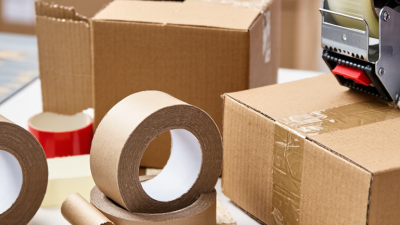
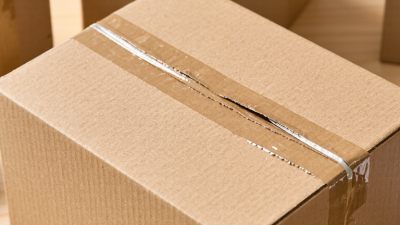
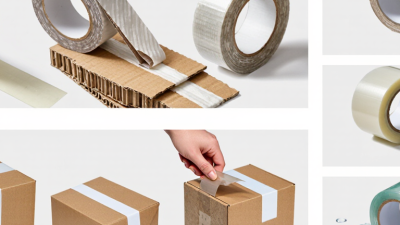
Paper tape is used to close cartons, bundle items, and secure protective wrapping. For carton sealing, appearance matters less than reliable contact with the box. ASTM D5486 provides a specification framework for pressure-sensitive packaging tapes. Its applicable edition and referenced test methods should be checked before comparing results.
Three performance questions are useful:
- Peel adhesion measures the force needed to remove tape from a surface.
- Tack describes how readily it grabs when pressure is applied, often with brief contact.
- Holding power assesses whether it stays put under a sustained load.
A strip that feels sticky may still creep on a loaded carton. Not the same thing.
Practical check
Apply tape to clean, dry corrugated board, press it down consistently, and allow conditions to stabilize. Then examine edge lift, slipping, and fiber tear during testing.
Record the board type, temperature, application pressure, and dwell time; each can affect results. A strong peel value alone does not guarantee a secure carton seal.
Test results are only as useful as the conditions behind them, and real shipping may expose gaps that a controlled test misses.
Painting Applications: Crepe Paper Grades and Temperature-Resistance Ratings
For painting, crepe paper tape masks trim, glass, and wall edges while conforming to gentle curves. Light-crepe grades suit smooth surfaces and sharp lines; heavier crepe can stretch around corners and textured edges. The trade-off is real: more stretch may leave a less precise edge. Choose based on the surface, paint system, and removal time, not color alone.
Temperature ratings are product-specific, not a universal property of crepe paper. General masking grades may be rated around 60°C, while some high-temperature grades list 120°C or more; check the tape’s technical data sheet for both temperature and exposure duration. Heat from a sunlit window can differ from a controlled drying oven. Test a small patch. ASTM D3330/D3330M provides a peel-adhesion test method, and ASTM D3654 covers static shear holding power. These results help compare adhesion and holding performance, but do not replace a stated heat rating. I would still test the tape on the actual paint and surface. It is easy to overlook residue, especially after prolonged heat.
Selection Standards: Width, GSM, Adhesion, Recycling, and Compostability Criteria
What Is Paper Tape Used For?
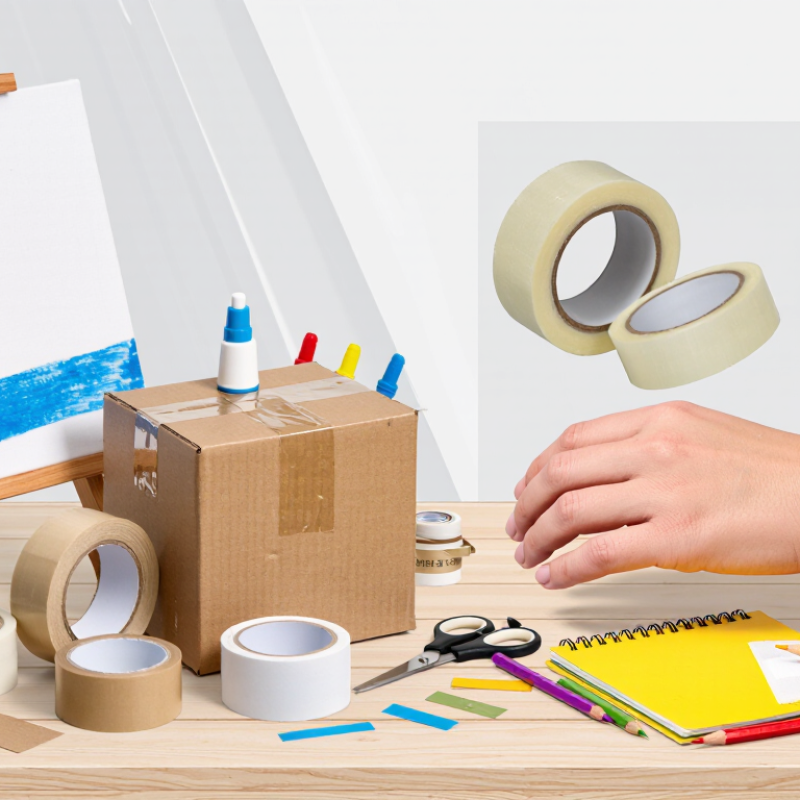
Paper tape is used to close cartons, bundle light items, and protect surfaces during packing or painting. Choosing the right tape means matching it to the job, not just picking the widest roll. For a small parcel, a narrow tape may be enough; heavier boxes often need broader coverage and stronger adhesion. Check GSM, or grams per square metre, as a rough indicator of paper weight. A higher GSM can feel sturdier, but it does not guarantee a better seal.
Adhesion matters most when tape meets real packaging conditions. Dusty cardboard, cold storage, and recycled box surfaces can all affect how well it sticks. Press a short test strip onto the actual carton and check the edges after a few minutes. A good bond should stay flat. It may still fail on a rough or damp surface. That detail is easy to miss.
If recycling is a priority, look for paper tape designed to be compatible with the box’s recycling process. Some facilities accept taped cartons, while local rules and equipment vary. Compostability is a separate claim: confirm whether the tape is certified for home or industrial composting, and whether its adhesive is included. “Paper-based” alone does not settle the question. When in doubt, ask the waste provider.