China Top Industrial Packing Tape Manufacturers?
Choosing China’s top industrial packing tape manufacturers requires more than comparing prices or browsing glossy product pages. Buyers need to examine adhesive performance, film strength, production consistency, testing practices, and export experience. A reliable supplier should explain how its tape performs on corrugated cartons, recycled boxes, dusty surfaces, and changing warehouse temperatures. Small details matter. Roll edges should remain clean. Adhesive should not split during application.
Packaging specialist Dr. Susan Selke offers a useful perspective: “Packaging must protect the product, communicate value, and manage resources responsibly.” That principle applies directly to industrial packing tape. The strongest product is not always the thickest or cheapest option. It should match carton weight, sealing speed, storage conditions, and expected transport pressure.
This guide will introduce leading Chinese manufacturers and compare their technical capabilities, customization services, certifications, minimum order quantities, and quality-control procedures. It will also consider acrylic, hot-melt, and solvent-based adhesive systems. Each choice has trade-offs. A low-cost tape may create higher labor costs if it breaks, curls, or fails during sealing. However, rankings can never replace physical testing. Supplier claims deserve verification through samples, trial orders, and documented inspection results.
The evaluation remains practical, not absolute. Market positions change. Factory capacity can vary. Some smaller manufacturers may outperform famous brands in a specific application. That possibility should not be ignored.
What Defines a Leading Industrial Packing Tape Manufacturer in China
China Top Industrial Packing Tape Manufacturers?
What Defines a Leading Industrial Packing Tape Manufacturer in China
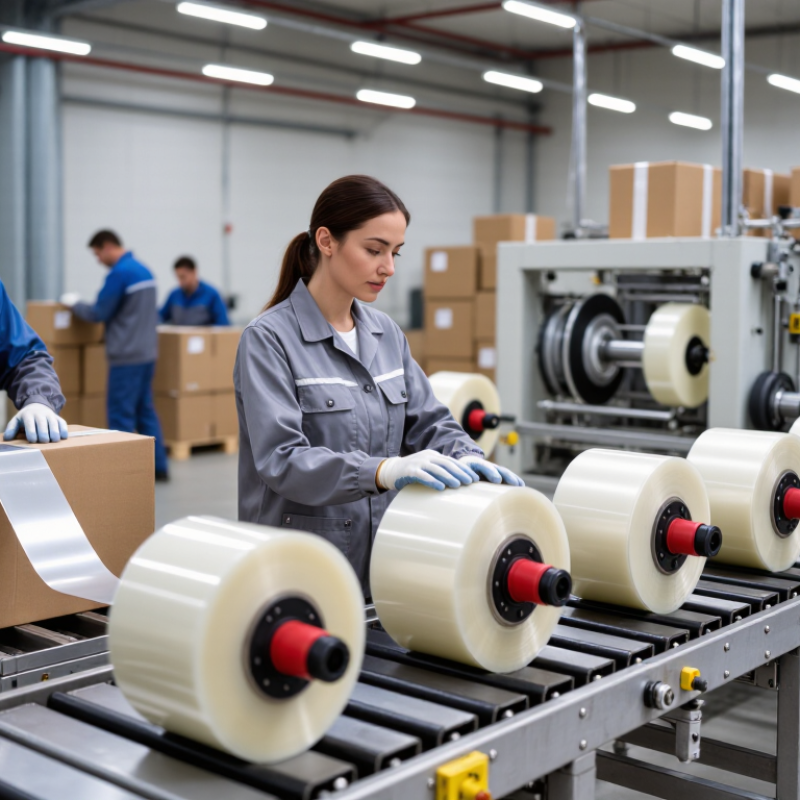
A leading industrial packing tape manufacturer proves performance beyond a polished sample. Experience shows in everyday details, such as clean unwinding, steady adhesion, and accurate roll length. For carton sealing, tape should hold through warehouse dust, temperature changes, and long transport periods. A reliable factory tests tensile strength, peel adhesion, elongation, and aging resistance. It also records batch results instead of relying on visual inspection alone.
Technical capability matters. Experienced engineers can adjust backing thickness, adhesive coating weight, and release behavior for different packaging lines. They should explain whether acrylic, hot-melt, or solvent-based adhesive suits the application. Clear specifications build trust. Traceable raw materials, controlled curing conditions, and documented inspections support consistent production. Relevant quality systems and test reports add authority, but they cannot replace practical verification. No factory gets every shipment perfect. That is worth admitting. A strong supplier investigates complaints honestly and improves the process.
Tips
Request samples from different production batches, not just one roll. Test them on your actual cartons and sealing equipment. Check storage guidance, core size, roll length, and carton packing. Ask how rejected rolls are handled. A slightly imperfect sample may reveal more than a perfect one, especially when the manufacturer explains the cause and corrective action.
What Defines a Leading Industrial Packing Tape Manufacturer in China?
Leading industrial packing tape manufacturers are typically evaluated by measurable performance targets, including consistent thickness, tensile strength, elongation, peel adhesion, and holding power. These representative benchmarks reflect commonly specified requirements for pressure-sensitive carton-sealing tapes tested under recognized tape-testing methods.
Major Types of Industrial Packing Tape Produced in China
China Top Industrial Packing Tape Manufacturers?
China produces several major types of industrial packing tape for cartons, pallets, and warehouse handling. BOPP packing tape is widely used for sealed corrugated boxes. It offers clear or brown film, stable tensile strength, and smooth machine application. Acrylic adhesive performs well during long storage and temperature changes. Hot-melt tape provides fast bonding and strong initial grip. It suits high-speed packing lines, though it may lose performance in very cold warehouses.
Filament tape contains embedded glass fibers for heavy cartons and bundled materials. Its reinforced structure resists splitting under pulling force. Kraft paper tape offers a cleaner paper surface and can support recyclable packaging programs. Water-activated paper tape creates a firm bond with cardboard fibers. Double-sided industrial tape is also produced for mounting liners, labels, and lightweight components. It is not always suitable for rough cartons.
Choosing a tape requires more than checking thickness. Buyers should compare adhesive type, film strength, unwind noise, roll length, and core size. A 48-millimeter roll may still fail if its adhesive is poorly matched to dusty cardboard. Test samples on actual cartons, including recycled boxes and cold surfaces. This small step prevents expensive packing interruptions. Specifications can look impressive. Real warehouse conditions are less forgiving.
China Top Industrial Packing Tape Manufacturers? - Major Types of Industrial Packing Tape Produced in China
| Industrial Packing Tape Type | Common Backing Material | Typical Adhesive | Typical Widths | Typical Tensile Strength | Main Applications | Key Performance Characteristics |
|---|---|---|---|---|---|---|
| BOPP Carton Sealing Tape | Biaxially oriented polypropylene film | Water-based acrylic or hot-melt synthetic rubber | 24–144 mm | Approximately 25–80 N/25 mm | Sealing corrugated cartons, e-commerce parcels, warehouse packaging and export cases | Lightweight, transparent or printed, good aging resistance and efficient machine application |
| Heavy-Duty BOPP Tape | Thicker biaxially oriented polypropylene film | High-tack acrylic or hot-melt adhesive | 48–150 mm | Approximately 50–120 N/25 mm | Heavy cartons, palletized shipments, furniture packaging and industrial logistics | Higher holding power and tear resistance than standard carton-sealing grades |
| Hot-Melt Packaging Tape | BOPP film, sometimes reinforced film | Synthetic rubber hot-melt adhesive | 24–144 mm | Approximately 30–90 N/25 mm | Fast carton closure, automated packing lines and general distribution packaging | High initial tack, quick bonding and strong performance on many corrugated surfaces |
| Acrylic Carton Sealing Tape | BOPP or polyethylene film | Water-based or solvent-based acrylic | 24–144 mm | Approximately 25–75 N/25 mm | Long-distance shipping, storage, retail cartons and temperature-variable distribution | Good ultraviolet and aging resistance; adhesion generally builds over time |
| Printed Warning and Security Tape | BOPP film | Acrylic or hot-melt adhesive | 48–100 mm | Approximately 30–80 N/25 mm | Fragile goods, restricted-access shipments, tamper-evident cartons and handling instructions | High-visibility messages, customized printing and improved package identification |
| Fiberglass Filament Tape | Glass-fiber reinforced polypropylene film | Pressure-sensitive synthetic rubber or hot-melt adhesive | 12–100 mm | Approximately 400–1,200 N/25 mm | Bundling metal, timber, pipes, appliances and reinforcing heavy packages | Very high longitudinal strength with limited stretch; available in mono- and cross-directional reinforcement |
| Water-Activated Kraft Paper Tape | Kraft paper, reinforced or non-reinforced | Dextrin, starch-based or synthetic water-activated adhesive | 48–100 mm | Approximately 35–100 N/25 mm | Paper-based carton sealing, sustainable packaging and fiber-to-fiber recycling systems | Bonds with carton fibers, tamper-evident after application and compatible with paper recycling streams |
| PVC Carton Sealing Tape | Plasticized polyvinyl chloride film | Natural rubber, synthetic rubber or acrylic | 25–100 mm | Approximately 35–90 N/25 mm | Manual carton sealing, bundling and applications requiring a quieter unwind | Conformable, relatively quiet during unwinding and easy to tear by hand in selected grades |
| Strapping Tape | Oriented polypropylene or polyester film | Pressure-sensitive synthetic rubber or acrylic | 9–25 mm | Approximately 100–500 N/25 mm | Securing bundles, appliance doors, drawers, cables and components during transit | Strong longitudinal reinforcement, clean removal options and resistance to shifting loads |
| Double-Sided Mounting and Packaging Tape | Tissue, PET film, nonwoven or PE foam carrier | Acrylic or synthetic rubber on both sides | 10–1,500 mm | Performance specified by peel and shear values rather than tensile strength | Signs, labels, display components, protective materials and light-duty assembly | Two adhesive surfaces, conformability and options for permanent or removable bonding |
Note: Technical values are representative industry ranges for commonly manufactured grades in China. Actual specifications vary according to film thickness, adhesive formulation, coating weight, test method and end-use requirements.
Key Materials and Technologies Used in Tape Manufacturing
China’s industrial packing tape sector depends on material choices more than appearance. Grand View Research estimated the global packaging tapes market at roughly USD 69 billion in 2023, with steady growth driven by logistics and e-commerce. Biaxially oriented polypropylene, or BOPP, remains common because it combines low weight, strong tensile performance, and clean unwinding. Kraft paper tape offers easier recycling in compatible paper streams, while polyester supports heavier cartons and strapping applications. Each material has weaknesses. Thin BOPP can split under sharp carton edges.
Adhesive technology decides whether tape survives dust, cold storage, or long transport. Water-based acrylic adhesives provide good aging resistance and lower solvent emissions. Hot-melt systems deliver fast tack on corrugated surfaces, but heat can reduce stability during storage. Solvent-based acrylics still serve demanding applications requiring strong bonding and temperature resistance. Manufacturers often use corona treatment to improve film adhesion, then control coating weight within narrow tolerances. Small variations can cause curling, residue, or uneven release.
Quality testing should include peel adhesion, tensile strength, elongation, holding power, and unwind noise. ASTM and ISO methods help make results comparable across factories. Smithers’ packaging forecasts continue to identify lightweighting and resource efficiency as major industry pressures. Recycled resin can reduce material impact, but its consistency is not always perfect. That deserves honest evaluation. Experienced producers therefore inspect each batch, test finished rolls, and match tape construction to carton weight, humidity, and transport conditions rather than relying on one universal formula.
How to Evaluate Chinese Packing Tape Manufacturers
China Top Industrial Packing Tape Manufacturers?
Evaluating Chinese packing tape manufacturers requires more than comparing quotations. Start with the tape’s intended use, carton texture, sealing speed, and storage temperature. Ask for backing material, adhesive type, thickness, tensile strength, elongation, and peel data. A low price may hide thinner coating or unstable adhesion. Test samples on your actual cartons, not only on clean laboratory surfaces. Details matter.
I usually request samples from several production batches. The tape should unwind smoothly, cut cleanly, and seal without lifting at the corners. Check whether the supplier controls coating weight, curing time, and roll tension. Review inspection records, material traceability, and calibration documents. A factory visit can reveal practical issues, such as dusty storage areas or crowded packing lines. A polished showroom can mislead me.
Communication also shows manufacturing discipline. Reliable teams answer technical questions clearly and explain limits without exaggerated claims. Confirm minimum order quantities, lead times, packaging protection, and complaint procedures in writing. Independent test reports can support claims, but they should match the supplied product and recent batch. I would also inspect worker training and final inspection routines. No evaluation is perfect. Even experienced buyers can overlook seasonal humidity, changing raw materials, or rushed production schedules.
Quality Standards, Customization, and Export Capabilities
China’s top industrial packing tape manufacturers should be judged by evidence, not catalog size. The 2023 Global Parcel Shipping Index recorded 161.8 billion parcels worldwide in 2022. That volume increases pressure on carton seals during humid storage, vibration, and long ocean routes. Reliable suppliers should show peel adhesion, tensile strength, elongation, tack, and aging results. Testing should follow relevant ASTM or ISO methods, with clear sample conditioning details.
Quality systems matter.
The ISO Survey 2022 recorded more than 1.2 million ISO 9001 certificates globally. Certification alone proves little. Buyers should inspect calibration records, batch traceability, incoming-film checks, and corrective-action reports. A practical specification may define 48 or 72 millimetre width, controlled coating weight, core tolerance, and minimum unwind performance. Independent pre-shipment testing can expose weak adhesive transfer before containers leave China.
Customization should solve a handling problem, not merely add color. Manufacturers may adjust acrylic or hot-melt formulas, backing thickness, printed warnings, roll length, carton packing, and private labeling. Export capability includes moisture-resistant cartons, pallet patterns, container load plans, HS classification support, and documents matching destination requirements. Samples must survive real trials. A laboratory result can still miss dusty corrugated boxes or cold warehouses. That gap deserves honest review, because the cheapest tape often becomes the most expensive interruption.
Related Posts
-
What is Industrial Packaging Tape and How is it Used?
-

What Is the Best Industrial Packaging Tape for Shipping?
-
What Is Paper Wrapping Tape and How Is It Used?
-
2026 How to Choose the Best Packing Tape for Your Shipping Needs?
-
Essential Tips for Choosing the Best Industrial Packaging Tape?
-

Top Tips for Choosing the Best Package Sealing Tape?